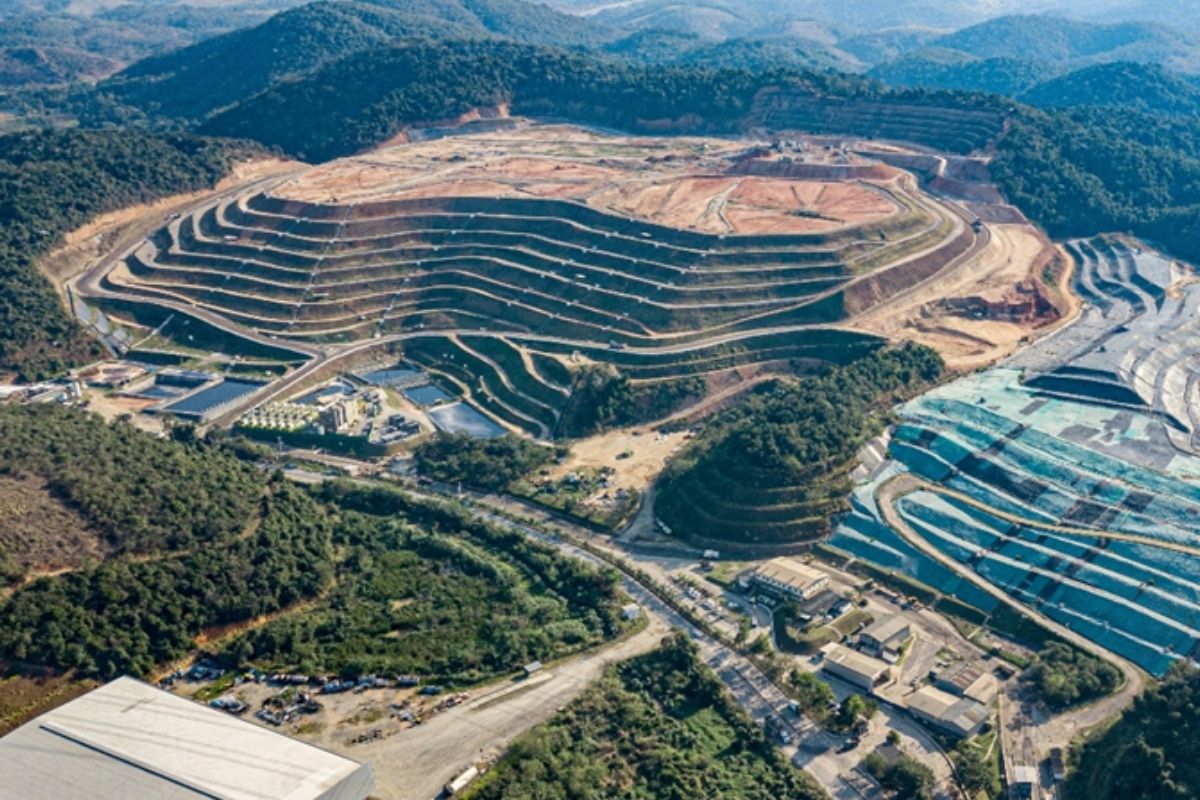
While governments struggled with overcrowded landfills and dumps, two entrepreneurs decided to bet everything on what no one wanted to see: waste, environmental chaos, and tons of garbage transformed into a billion-dollar empire of waste valorization and clean energy.
The story of this billion-dollar empire begins precisely where almost everyone else only sees problems. For decades, waste was one of Brazil’s biggest challenges. Tons of waste ended up in open-air dumps, contaminating rivers, soil, and even the water that reaches people’s homes.Meanwhile, discussions about structural solutions progressed slowly. Even with the modernization of landfills, more than three thousand open dumps remained active, perpetuating a gigantic environmental liability.
It was in this context that two Brazilian businessmen, already wealthy and with established careers, decided to go against the grain.
Instead of turning away from a sector seen as dirty, risky, and unattractive, They bought a bankrupt company, mired in R$700 million in debt, just to gain access to what nobody wanted: garbage and landfills..
— ARTICLE CONTINUES BELOW —
From there, they began building a billion-dollar empire that transforms waste into energy, fuel, industrial inputs, and recurring profit.
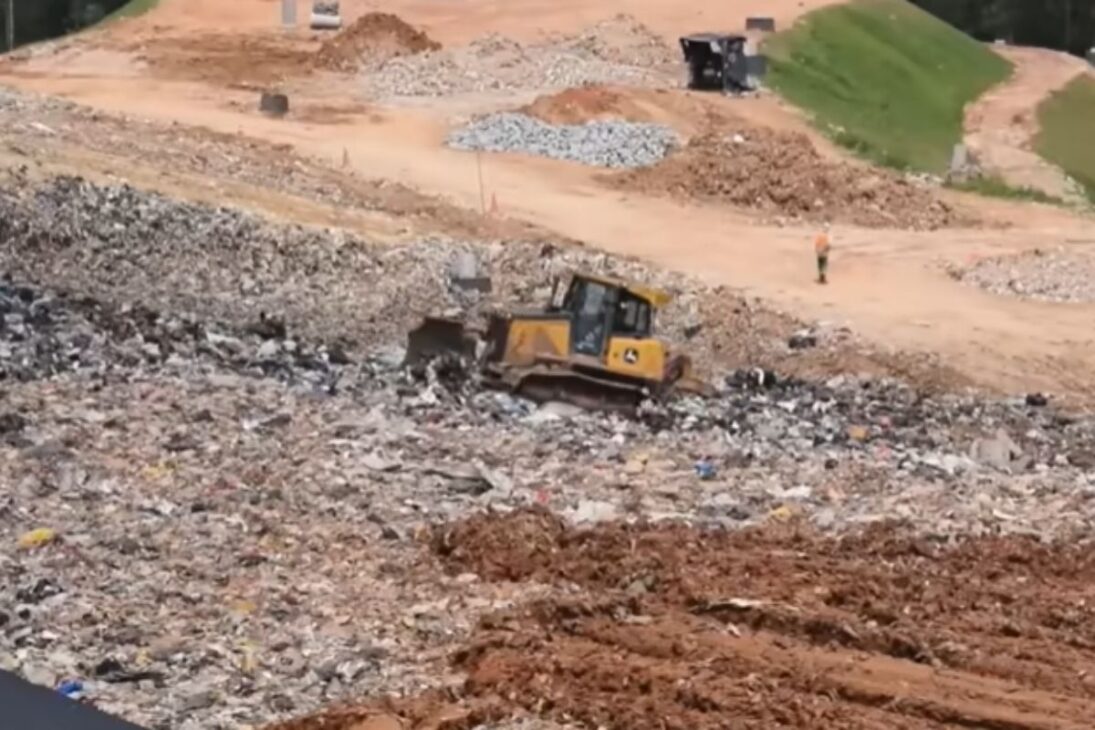
The starting point of this story is simple and unsettling. Brazil has always treated garbage as something to be hidden.
For a long time, the standard solution was to bury the problem in open-air dumps, far from the eyes of the population, but not from the environmental consequences. While trash was viewed as worthless dirt, the environmental liability grew day by day.
Even with the arrival of sanitary landfills, the model remained limited. The dominant logic was to collect household waste, transport it, and dump it in large areas prepared to receive it.
End of the line. There was little talk about recovering value, generating inputs, or transforming waste into robust businesses. That’s where the opportunity lay that almost no one saw.
Who were the entrepreneurs who decided to invest in waste?
The protagonists of this billion-dollar empire were no newcomers. On one side was Milton Pilão, heir and CEO of Pilão SA, a company that manufactures machinery and equipment for the paper and pulp industry.
In the 70s, the company developed a technology that allowed it to produce high quality paper Using short eucalyptus fibers, an innovation that was exported to dozens of countries and transformed the business into a global powerhouse. After decades at the helm of the company, Milton sold Pilão to Andritz and walked away with a fortune.
On the other side was Smar Machado Assali, former owner of Gomes da Costa, the largest canned fish company in Latin America. He also sold his company to an international group and pocketed millions.
Two seasoned businessmen, with money in the bank and the age to enjoy a comfortable retirement, decided to do the exact opposite: get back in the game, but in a sector that nobody wanted to venture into.
The insight that changes everything: water, energy, and waste.
The spark that ignited the billion-dollar empire came during an international trip. At a high-level lecture, with names like George Soros and Bill Gates in attendance, the two heard a phrase that stuck in their minds: the businesses of the future are threefold: water, energy, and waste. These were sectors essential to human life, with constant demand and room for innovation.
Back in Brazil, they began studying each of these markets. Energy already had large, established players. Water and sewage were advancing, but required very high investments and faced the dominant presence of state-owned companies. That left the waste sector.
When they delved into the numbers, they realized that Brazil was about 30 years behind what was being done abroad. It was an unattractive sector, lacking glamour, but with enormous potential.
The difference between burying waste and building value.
On recent trips abroad, Milton and Smar visited waste recovery plants in European capitals. What they saw was a complete change in mindset.
Instead of treating waste as an end-of-line product, companies were transforming waste into valuable raw materials to generate energy, biogas, fuel, and fertilizers.
Meanwhile, in Brazil, Waste management companies were limited to collection, street sweeping, and basic urban services, finishing their work at the landfill.Outside, the landfill was just one part of a larger value recovery system.
This comparison sparked the central idea: to bring this value-added model to Brazil and use landfills as the foundation for a billion-dollar empire focused on waste.
They knocked on every door and were told they were crazy.
The plan seemed logical on paper. They had capital, experience, and a clear vision of where they wanted to go. The idea was to talk to landfill owners and propose partnerships to install waste recovery technologies within these areas. But the reaction was almost unanimous.
For two or three years, they presented the project to different groups and always heard the same response. “This won’t work in Brazil; trash is trash, it has no value whatsoever.”
Some funds were even interested in investing in the technology, but the most important input was missing: the waste itself.
Those who owned landfills didn’t want to sell because they knew the strategic power of controlling the fate of a region’s waste.
The decisive move: buying a bankrupt giant to acquire landfills.
It was in this context that the opportunity that would change everything arose. A sanitation and waste collection company, owner of landfills, was in a critical situation, with debts in the region of R$ 700 million.
It was a large company with operations in water, sewage, waste collection, equipment manufacturing, and, most importantly, sanitary landfills spread throughout Brazil.
The company was disorganized, full of areas lacking synergy, and suffocated by debt. When everyone else saw only a financial time bomb, Milton and Smar saw the missing piece to build their billion-dollar empire.
They bought the failing business precisely because it had what no one else was selling: landfills and the garbage that arrived daily. The decision earned them labels of madness, but it also opened the door to the next step.
Restructure the chaos and focus only on what mattered.
After the purchase came the hardest part. The company was riddled with problems, with disconnected operations and a gigantic debt burden.
In the first few months, they still faced unfavorable arbitration rulings, inheriting new financial obligations right from the start.
The answer was simple in theory and difficult in practice. They began to dismantle everything that wasn’t strategic, sold peripheral businesses, cut costs, renegotiated debts, and focused all their energy on a single goal: transforming landfills into eco-parks for waste valorization.
The old company was left behind, the business gained a new name and a new focus, and the construction of the billion-dollar empire entered its most decisive phase.
Eco-parks: transforming landfills into valuable plants
Once the site was at least minimally organized, the plan came to fruition. Within the landfills themselves, they began to build eco-parks for the valorization of waste.
The idea was simple and powerful. Instead of just receiving waste, the complex would extract value from almost everything that was previously buried.
In the same space, a traditional sanitary landfill coexists with mechanized sorting units, biogas plants, biomethane production, energy generation, waste-derived fuel, leachate treatment that becomes reusable water, material recycling, organic fertilizer, and carbon credits.
In practice, the company began transforming waste into energy, an industrial input, recurring revenue, and, of course, a billion-dollar empire built on waste.
A business where the trash never stops arriving.
The model has a brutally simple logic. Municipalities and companies pay to send their waste to ecoparks.
From this waste, various sources of revenue emerge, such as recycled materials, biogas, fertilizers, and carbon credits, in addition to energy and fuels. It’s a business where raw materials arrive every day, regardless of the economic scenario.
Over time, the results began to appear. The company gained market recognition, went public, became worth billions, and established itself as one of the great stories of the new Brazilian green economy.
Today, the group operates landfills and eco-parks in several states, receives millions of tons of waste per year, and directly or indirectly manages the waste of tens of millions of Brazilians., consolidating the billion-dollar empire that was born from something nobody wanted.
The lesson behind the billion-dollar trash empire.
Ultimately, the story of these two businessmen shows that some of them… biggest deals in the world They are born when someone decides to solve a problem that everyone else ignores.
While Brazil treated garbage as dirt to be hidden, They saw a gold mine waiting to be exploited and had the courage to bet everything on a bankrupt company to build a billion-dollar empire on top of waste.
The message is clear: there’s not just waste, there’s resources in the wrong place. When someone has the vision, technology, and discipline to put those resources in the right place, what seemed like madness becomes strategy, and what seemed like a failing company becomes a billion-dollar empire of the new green economy.
And you, looking at the history of this billion-dollar empire built on garbage, do you believe that there are still other “invisible problems” in Brazil ready to become the next big business?