Lose weight. Declutter. Meditate. Find a new job. Get my act together.
Many of us live with a low-grade sense of being behind. Should speaks to that gap.
These shoulds are often harsh, so it’s not surprising that the word has faced a backlash. Ironically, “stop should-ing yourself” is often said with its own scolding tone.
What if the answer isn’t to get rid of shoulds altogether, but to relate to them with intention?
Whose Standard?
Lately, I’ve been noticing shoulds around social media. As someone who now writes, speaks, and offers workshops for a living, I should be posting more.
Some days this feels tight, coming from fear and, if I’m honest, jealousy, as I see others’ viral posts and large followings. Other days, posting is an invitation to share my ideas in new ways or connect with new audiences. The should is the same, but the experience isn’t.
At its core, a should is simply the gap between where we are and where we think we’re supposed to be.
Much of the discomfort with should comes from the sense that it’s externally imposed. Some shoulds clearly come from the outside: work expectations, family pressure, or cultural scripts, while others feel more internal, shaped by our own goals.
But I don’t think the distinction between external and internal is particularly useful. We’re always in conversation with the world around us. We learn from people we admire and books and podcasts and, yes, social media can remind us of values we’ve let slip. I probably don’t have to tell you that internal standards can be just as unforgiving as any external critic, sometimes even more so.
Rejecting shoulds outright—as much of the popular conversation suggests—misses something obvious: the beauty of aspiring to show up differently or live with more care and intention. Shoulds can point us to our growth edges, aligning with ideas around growth mindset and values-based approaches to change, like acceptance and commitment therapy.
What matters isn’t where the standard comes from; it’s whether it’s examined or not.
The Examined Should
This question has been especially alive for me because my forthcoming book is called Sometimes You Should Be Late, emphasis on should.
In our current moment, telling people what they should do is impolite at best. For me, that tension is the point.
The book—spoiler—isn’t really about lateness; it’s about values. It makes a case for moving from an inherited sense of what we should do to examining and choosing our own path.
An unexamined should is reflexive, rooted in values that may not even be ours or isolated from the context we’re in, like a night of poor sleep, a family crisis, or simple exhaustion.
An examined should, on the other hand, reconnects us to our aspirations. It notices the gap between where we are and where we think we ought to be and asks: Why might this matter? What value is underneath it? Does it fit the context of my life right now?
The need to examine shoulds becomes obvious when we see how often they point in opposite directions. For instance:
I should get more sleep… I should wake up early and exercise.
I should be on time… I should not rush the precious moments of my life.
I should accomplish more… I should give myself a break.
Without reflection, these shoulds collide; the result is often a catch-22, where we feel deficient no matter what we do.
How to Work With Your Shoulds
The way forward isn’t to eliminate our shoulds, but to change how we relate to them. Here are a few ways to work with yours:
Notice the tone. Is the should sharp and shaming or welcoming and grounded?
Explore where it came from. Who taught you this should: Someone you admire or someone you’re jealous of? A workplace culture you treasure or that depletes you? An older version of yourself or who you want to become?
Listen for the desire. Every meaningful should protects a value like care, integrity, or fulfillment. Understand that this value is where choice comes from. Identifying the value helps you make an informed choice, rather than respond reflexively.
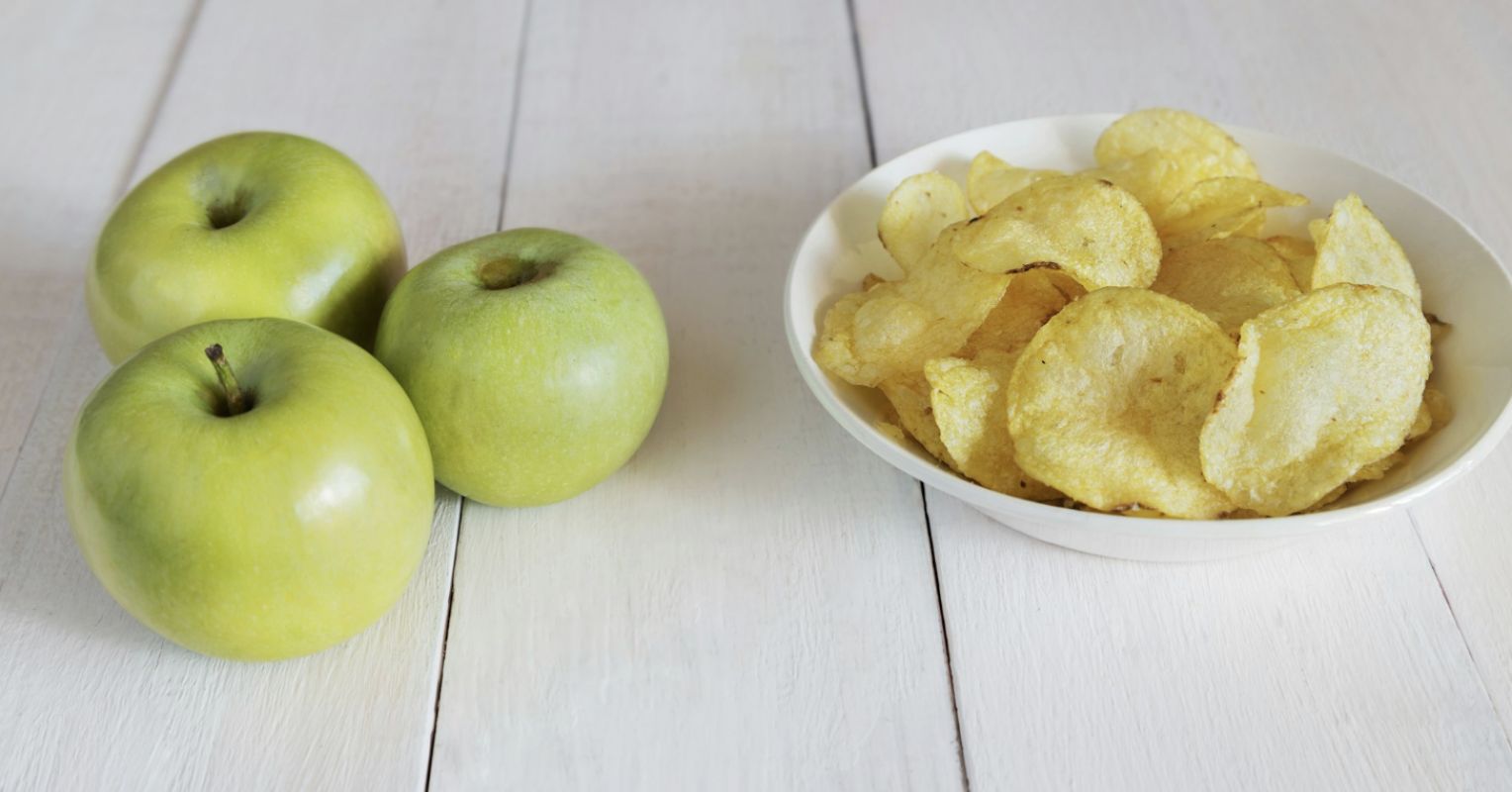
An example: eating healthy. Can you feel the difference between a grim I should eat a salad coming from a sense of deficiency or external beauty standards and the warmth of I should eat a salad coming from care for your body and the sustained energy you want to have?
And staying with our shoulds a bit longer allows us to incorporate our day-to-day context. A friend recently told me about a “dinner” of french fries and wine she shared with a friend going through a divorce. No salad or should-ing, just fried potatoes.
Choose Your Shoulds
We don’t need fewer shoulds; we need a better relationship with them, one that allows us to stay aligned with ourselves in a world full of other people’s standards—and also their inspiration.
We shouldn’t declutter just because someone tells us to. But we also shouldn’t avoid it because they suggest we should.
Like the salad, my social media posting, or countless everyday decisions, the real difference isn’t the action itself. It’s that we choose with intention whether we should.