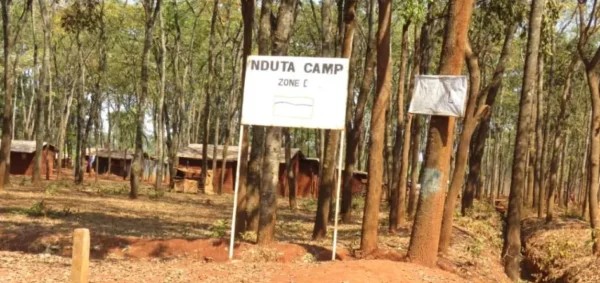
Médecins Sans Frontières (MSF) has called for the protection of the safety, health and dignity of Burundian refugees as the deadline for the closure of Nduta Refugee Camp in Tanzania approaches.
MSF’s Programme Manager in Tanzania, Bernadette Schober, said the announcement of an accelerated return marks a critical moment for more than 50,000 people currently living in the camp.
“The repatriation process is a moment of increased vulnerability for refugees. People face high uncertainty, social and economic challenges, stress and fear. If not informed, voluntary and dignified, this moment can be as dramatic as the initial flight. MSF stresses that the safety, health and well-being of the people must remain at the heart of every decision. The people of Nduta must have their rights respected at every stage of their return from departure to arrival. No refugee should be left behind. Access to health and basic services must continue for everyone in Nduta. The process of going home should never put lives at risk,” she said.
MSF has been the leading medical actor in Nduta Camp since 2015, providing healthcare services to both refugees and host communities.
Daily struggles and vulnerability
“We have provided healthcare, prevention and emergency response to tens of thousands of Burundian refugees and to Tanzania host communities. Over the years, we have witnessed their daily struggles and vulnerability, but also their resilience and solidarity within the communities,” Schober added.
Nduta Camp has hosted thousands of Burundian refugees for more than a decade. However, last year the Tanzanian government announced plans to close the camp by March 31, 2026, alongside the closure of the Burundian section of Nyarugusu Camp by June 30, 2026, citing voluntary repatriation as the most viable solution.
Looming humanitarian risks
MSF has raised concern over the looming humanitarian risks, warning that the repatriation process, if not properly managed, could endanger lives.
The organisation emphasised that return must remain voluntary, informed and dignified, and that essential health and basic services should continue throughout the process.
Since the start of the voluntary repatriation exercise in September 2017, more than 230,000 Burundian refugees have returned home from neighbouring countries, including over 168,000 from Tanzania.
In May 2024, the UN Refugee Agency (UNHCR) confirmed that more than 4,000 Burundian refugees had been assisted to return home from Tanzania that year alone.
In October, the governments of Tanzania and Burundi, together with UNHCR and its partners, facilitated the voluntary return of 570 individuals to various provinces, including Bujumbura Mairie, Bujumbura Rural, Cankuzo, Cibitoke, Gitega, Kayanza, Karuzi, Kirundo, Ngozi, Makamba, Muyinga and Ruyigi.
This brings the total number of Burundian refugees repatriated since 2017 to 181,394.