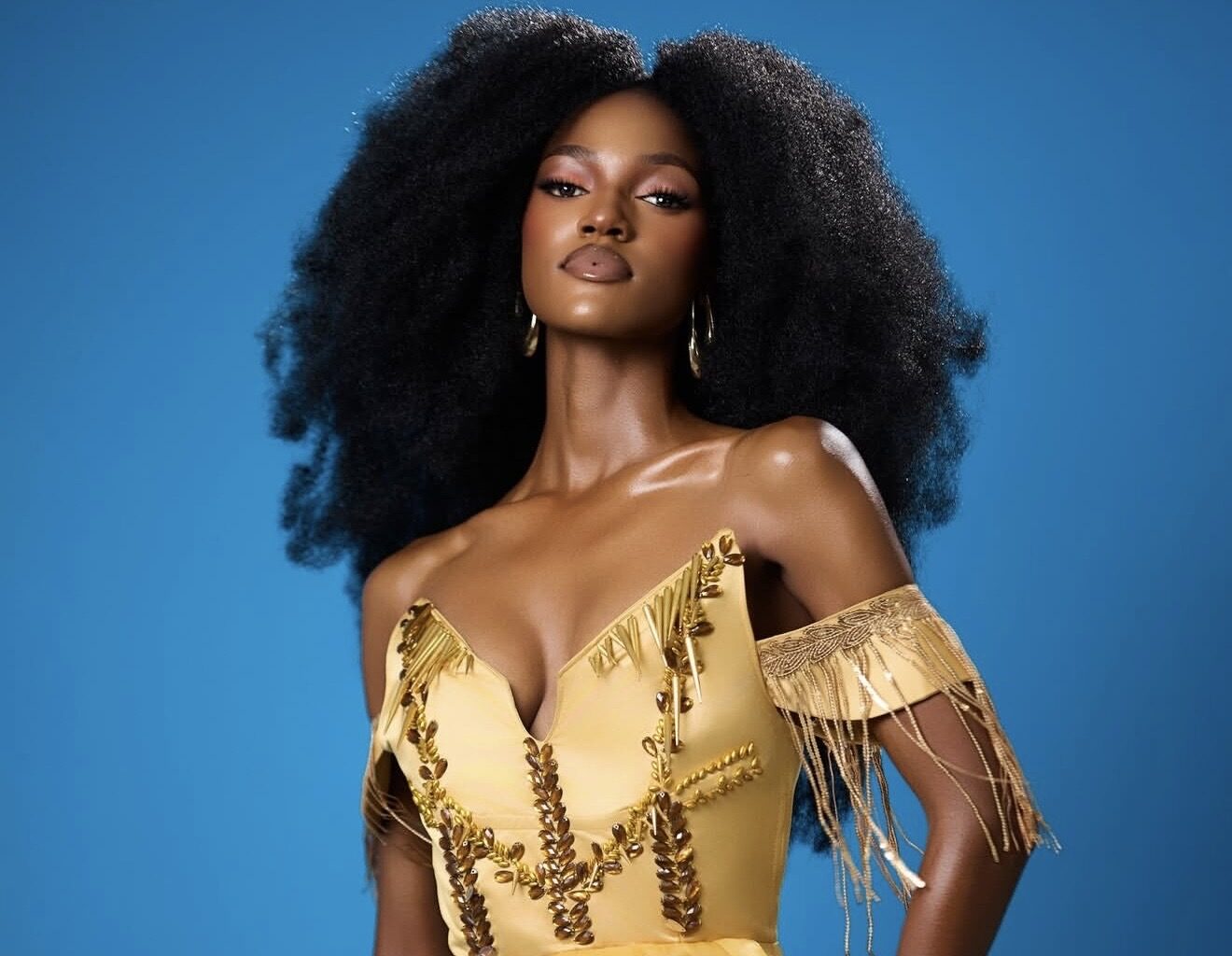
In a global moment where leadership is often confused with visibility, Courtney Tadivanashe Jongwe represents a different model of influence. One rooted in systems, service, and long-term national impact.
 Courtney Tadivanashe Jongwe, Miss World Zimbabwe
Crowned Miss World Zimbabwe and Miss Earth Zimbabwe 2023, Jongwe has used the global platform not as an endpoint, but as an entry point into a deeper mission. Her work focuses on mental health reform, youth well-being, and community-led development through her organisation, Sanctuary.ZW — a growing mental health initiative addressing one of Zimbabwe’s most urgent and under-discussed challenges.
For Jongwe, the title was never the destination.
“Becoming Miss World Zimbabwe was the realization of a lifelong dream,” she explains. “But as I matured, I understood that the platform only matters if it’s aligned with purpose. It became an opportunity to serve, to uplift, and to leave something meaningful behind.”
That sense of purpose is informed by a background rarely associated with pageantry. Jongwe is trained in chemical engineering — a discipline that shapes how she approaches leadership, policy, and impact.
“Engineering teaches you to understand systems, identify gaps, and optimize outcomes,” she says. “I apply that same thinking to leadership. You don’t reinvent everything. You refine what exists, strengthen it, and scale it sustainably.”
This systems-driven mindset led her to found Sanctuary.ZW after witnessing a troubling national pattern. Rising suicide rates, increasing drug and substance abuse, and a culture of silence around mental health — particularly among young people — revealed a structural failure, not an individual one.
“We often address the visible symptoms without confronting the underlying mental health challenges driving them,” Jongwe notes. “I felt compelled to focus on root causes, not surface-level effects.”
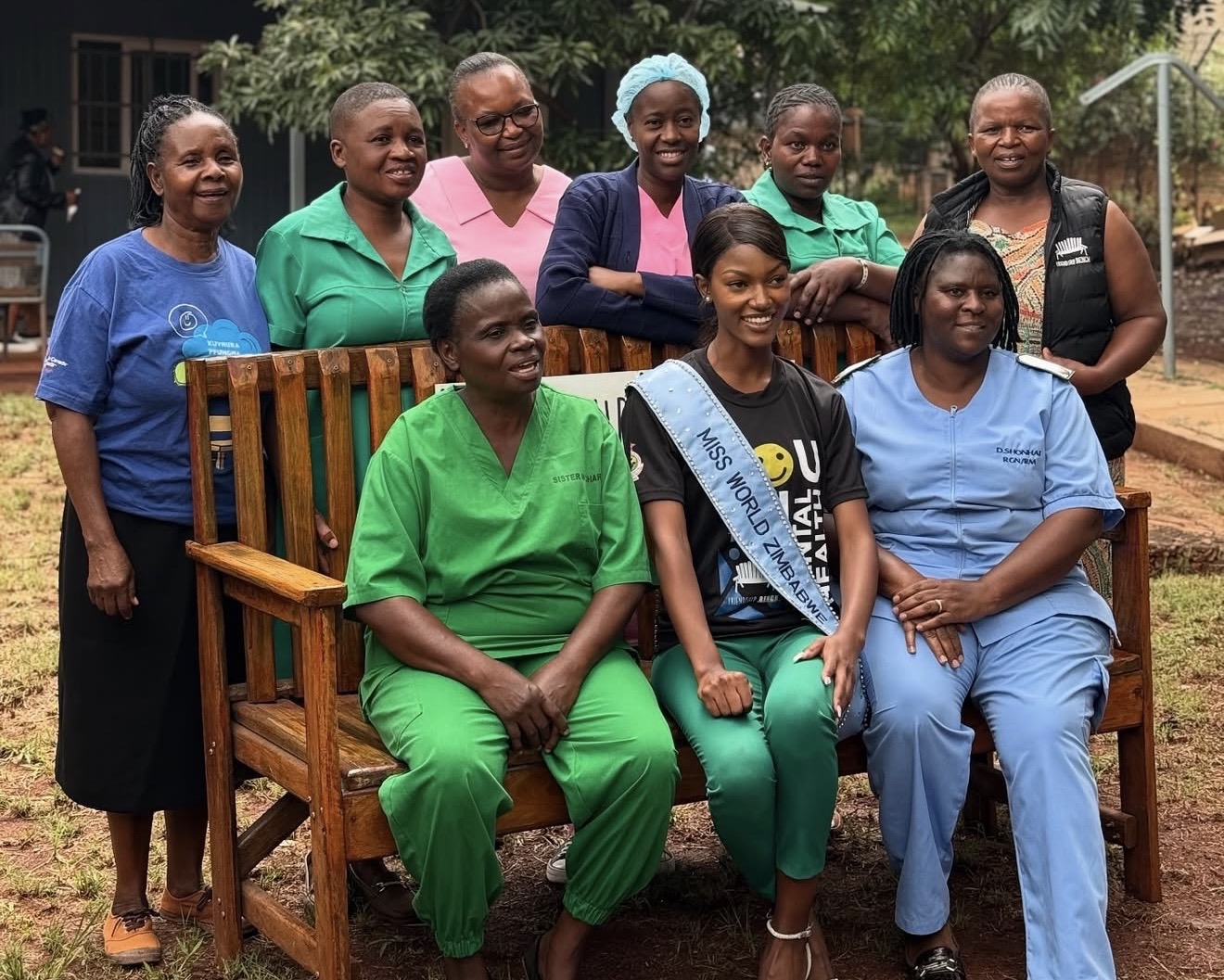
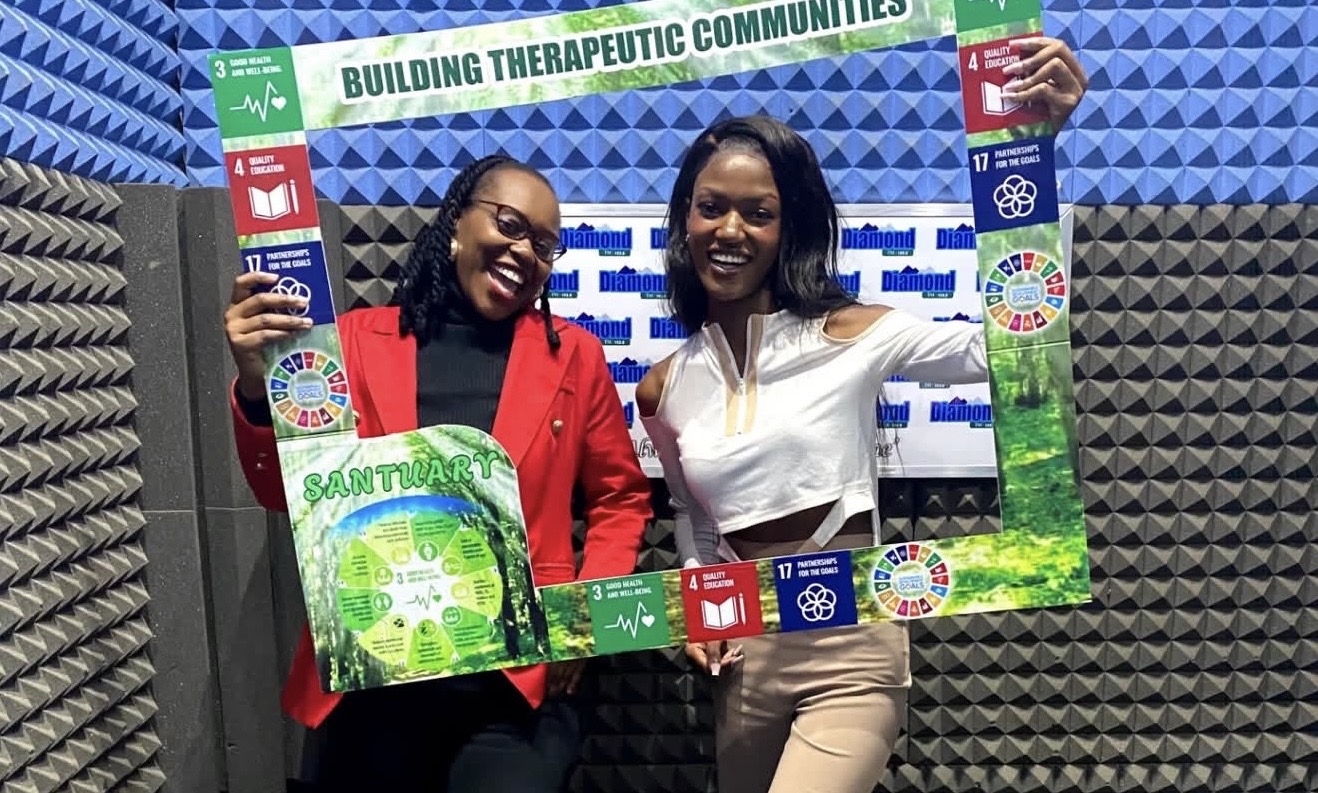
Rather than centering awareness alone, Sanctuary.ZW prioritizes the creation of therapeutic communities — a deliberate choice grounded in African values.
“Awareness is not enough,” she explains. “Healing happens through community. This approach reflects Ubuntu — healing with the community and through the community. It builds ownership, continuity, and long-term resilience.”
Mental health in Zimbabwe, she says, is beginning to enter public discourse, but access to resources remains limited. Studies indicate that one in five young Zimbabweans experiences a mental health challenge, with depression most common. Despite growing conversations, stigma and systemic gaps persist.
In international spaces, Jongwe often finds herself challenging assumptions — not only about Zimbabwe, but about African women more broadly.
“There is a persistent assumption of incompetence,” she says. “African women are often underestimated in global spaces. We work twice as hard for half the recognition. But opportunities should be awarded based on merit, not race or background.”
Her visibility through pageantry is therefore carefully converted into action. Jongwe prioritizes partnerships with institutions aligned with her mission and collaborates with other pageant leaders to extend impact beyond borders. These global networks allow Sanctuary.ZW to scale while remaining locally grounded.
What surprised her most, however, has been the response from young people themselves.
“They understood the mission immediately,” she says. “They showed up with skills, time, and commitment. Young people are not indifferent. They are waiting for platforms that respect their intelligence and purpose.”
Carrying public responsibility requires discipline. Jongwe is deliberate about protecting her own mental health through faith, family, physical activity, reflection, and rest.
“My relationship with God grounds me,” she says. “I stay conscious of my emotional state and seek healthy ways to care for my mind.”
When representing Zimbabwe on international stages, authenticity is non-negotiable.
“I show up unapologetically African,” she explains. “My race does not disqualify me. It empowers me. I represent girls who are still discovering their place in the world.”
Her message to young Zimbabweans is direct.
“Your dreams are valid. Circumstances do not define your future. Courage, persistence, and faith do.”
Jongwe views mental health not as a social issue alone, but as an economic and developmental one.
“Healthy minds build healthy nations,” she says. “If Africa is to advance, mental well-being must be treated as foundational infrastructure, not an afterthought.”
Looking ahead, her long-term vision for Sanctuary.ZW is expansive but precise. She plans to establish fully equipped community mental health centers across Zimbabwe, and eventually across Africa. These centers would integrate healthcare, sports, technology, and wellness programs into accessible community hubs.
Success, she insists, is not measured by titles.
“Titles end. Impact lives on,” she says. “Success is growth and lives changed.”
At a time when leadership across the continent is being redefined, Courtney Tadivanashe Jongwe represents a new archetype. One where service precedes status, systems outlast spotlight, and national development begins with the health of the mind.
The Voice of Africa’s insight
Zimbabwe, like much of the continent, is young. Its challenges cannot be measured against nations with centuries of institutional maturity. Leaders who build patiently, invest in people, and address foundational issues like mental health are shaping a future defined not by comparison, but by possibility.
Related