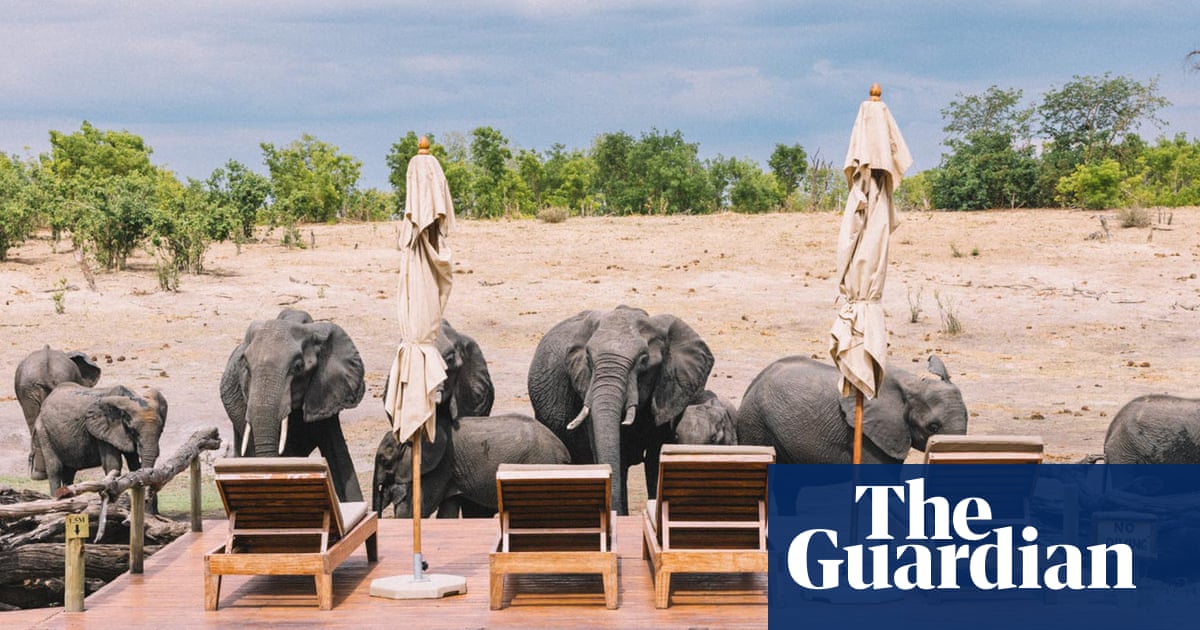
Africa is facing a tale of two elephant realities. In the north, the silence is deafening as South Sudan’s once-thundering herds dwindle to near extinction. In the south, the ground shakes under the weight of too many giants, as Zimbabwe and Botswana grapple with an overpopulation crisis that is fueling a deadly human-wildlife conflict.
A new report by the Guardian reveals the stark contrast. In South Sudan’s Badingilo National Park, spotting an elephant is now a rare event. Conservationist Mike Fay, who has spent decades in the region, estimates the population has crashed to just 5% of what it was 50 years ago. In the 1970s, an aerial survey counted 133,500 elephants here. Today, finding even one requires GPS collars and days of tracking.
“We Are Squeezed”
Conversely, the Kavango Zambezi (KAZA) conservation area—spanning Zimbabwe, Botswana, Namibia, Zambia, and Angola—is bursting at the seams. Successful anti-poaching measures have seen herds explode, pushing elephants into villages in search of food. “We are being squeezed,” says a villager in Hwange, Zimbabwe. “The elephants eat our crops, destroy our water tanks, and sometimes kill our people. There are just too many.”
The debate on how to manage this surplus is fierce. Proposals range from culling (killing for population control) to trophy hunting, both of which spark international outrage. Yet, for the communities living on the frontline, the elephants are not majestic symbols of nature; they are a daily threat to survival.
The Disconnect: The paradox highlights the complexity of conservation. While the world rallies to “Save the Elephants,” some African nations are asking, “Save us from them.” The ecological carrying capacity of parks like Hwange has been exceeded, leading to habitat destruction that threatens other species.
The South Sudan Tragedy: Meanwhile, civil war and poaching have decimated the northern herds. African Parks, which manages the vast Badingilo-Boma landscape, calls it “the greatest conservation challenge on Earth.” Restoring these populations will take decades of stability that the region has yet to find.
A Continental Dilemma
This divide underscores the need for tailored conservation strategies. A “one-size-fits-all” ban on hunting or trade ignores the reality on the ground in southern Africa, just as it fails to address the lawlessness driving extinction in the north.
As African leaders navigate this minefield, the question remains: Can the continent find a balance where elephants and humans can coexist, without one driving the other to the brink?