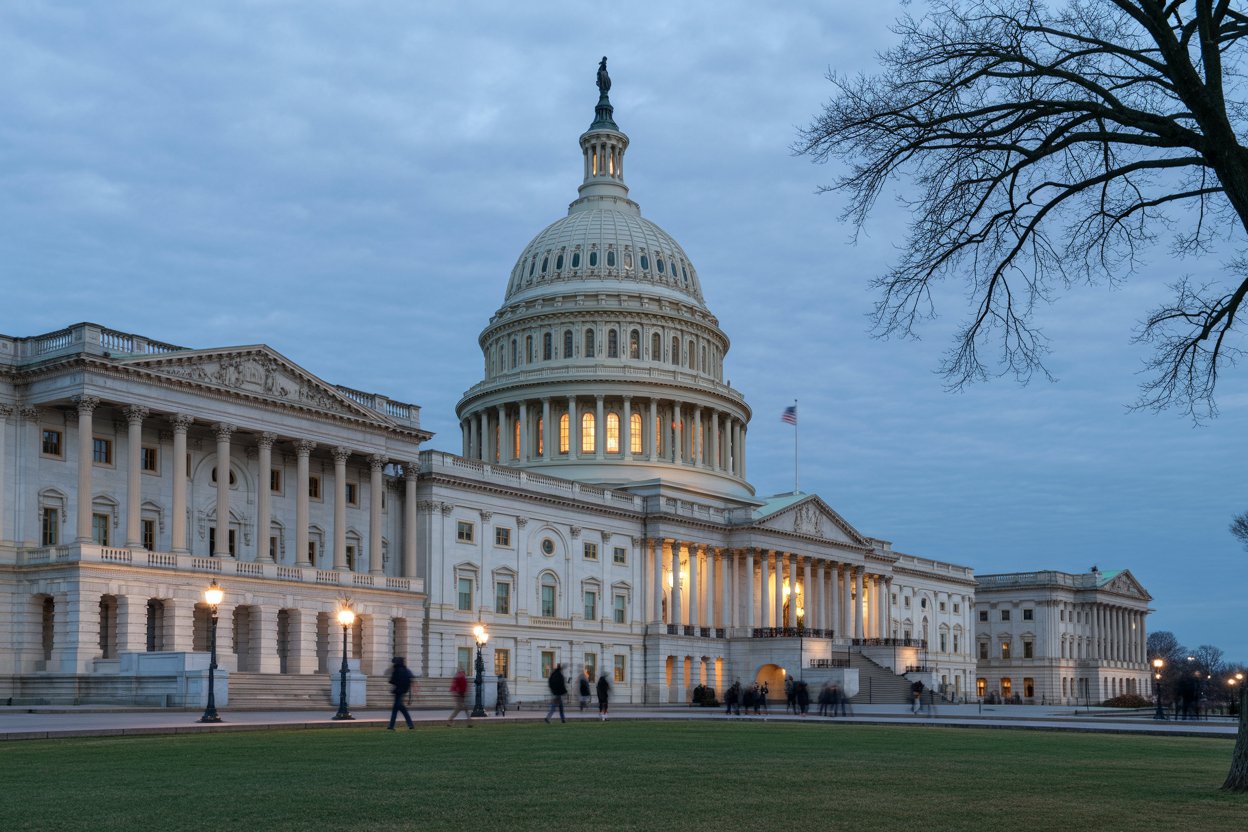
Home » Latest Travel News » Egypt Joins Morocco, Nigeria, South Africa, Ethiopia, Congo, Kenya, and Other African Countries to Face Major Travel Changes to US as Government Set to Implement New Fees, Visa Bond Program, and More This Year: Everything You Need to Know
Published on
January 15, 2026
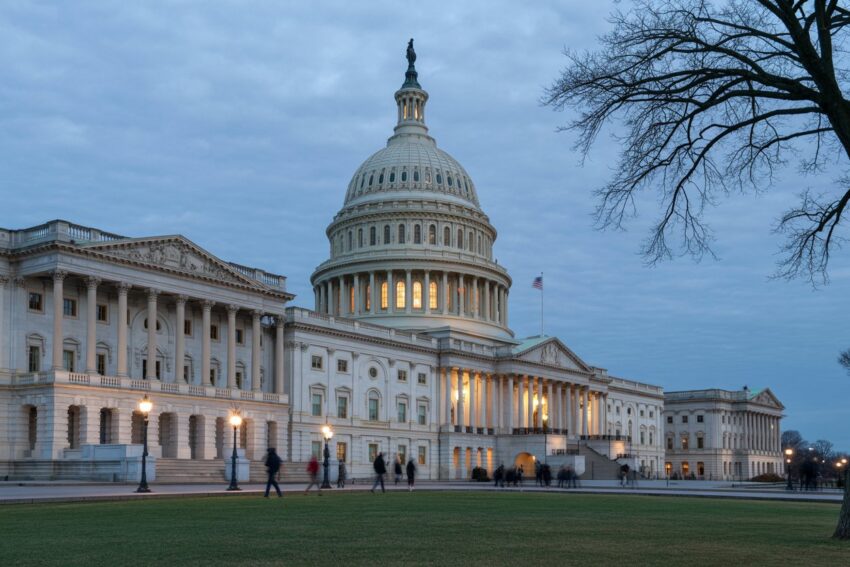
Egypt has joined Morocco, Nigeria, South Africa, Ethiopia, Congo, Kenya, and other African countries to face major travel changes to the U.S. as the government sets to implement new fees, the “Visa Bond” program, and other measures this year. These changes are part of the U.S.’s efforts to tighten immigration controls, requiring travelers from these countries to pay significant security deposits and higher visa application fees. With the implementation of these new policies, the financial burden on potential visitors from these African nations is expected to increase, making it more difficult for them to visit the U.S. for tourism, business, or educational purposes.
The “Visa Bond” Pilot: A Controversial New Measure
The “Visa Bond” pilot program is one of the most controversial financial measures introduced in decades. Designed as a “security deposit” to ensure that visitors leave the U.S. on time, this bond requires travelers from certain countries to pay between $5,000 and $15,000. As of January 21, 2026, the program has expanded to 38 countries, including high-profile nations such as Nigeria, Venezuela, Cuba, Bangladesh, and several Central Asian states (e.g., Kyrgyzstan, Turkmenistan, Tajikistan). The process allows consular officers to demand a bond during the visa interview, depending on the applicant’s country and circumstances.
The bond is paid through the U.S. Treasury’s Pay.gov portal, and the funds are refunded only when the traveler’s timely departure is confirmed by the Department of Homeland Security. To ensure that their departure is properly tracked, bond-holders are restricted to specific “Designated Ports of Entry” such as JFK, LAX, and O’Hare. This new measure has sparked significant debate, with critics arguing that it disproportionately impacts travelers from poorer nations.
New Visa Fees: Doubling the Cost to Enter the US
The cost of applying for a U.S. visa has significantly increased, with new “integrity” surcharges nearly doubling the baseline application fee. As part of this shift, a $250 “Visa Integrity Fee” has been added to most nonimmigrant visa applications, on top of the existing machine-readable visa (MRV) fee. This brings the total cost for a B-1/B-2 visa application to approximately $442.
The rise in fees has been particularly detrimental to middle-class families from regions like Southeast Asia and South America, who now find themselves priced out of the U.S. visa system. These groups are increasingly opting for the more affordable visa options offered by the Schengen Area (EU) or Japan, both of which are significantly cheaper and offer smoother processing for visitors. This fee hike is expected to reduce the number of international tourists from these regions, making it more difficult for the U.S. to remain competitive as a global tourism destination.
The $100 National Park Surcharge: A New Tiered Pricing System
For the first time, the U.S. has implemented a tiered pricing system for its national parks, specifically targeting “global heritage” sites. This $100 per-person surcharge applies to 11 “Flagship” National Parks, including iconic destinations like Yellowstone, Yosemite, the Grand Canyon, Zion, and Acadia. International visitors are required to pay both the standard park entrance fee (usually $35 per car) and the additional $100 surcharge for each person aged 16 or older in the vehicle. For a family of four, this could mean paying up to $435 just to visit the Grand Canyon for a single day.
To avoid individual surcharges, foreign visitors can opt for a Non-Resident Pass, which costs $250 annually, though this is more than three times the price of the $80 pass available to U.S. residents. The introduction of this surcharge has led to long lines and frustration at major park entrances like South Rim and West Yellowstone, where rangers now conduct residency checks using passports or U.S. state IDs. While the goal of this surcharge is to generate additional revenue for park maintenance, it has been criticized for placing an undue financial burden on international visitors, particularly families, who were once able to enjoy these world-renowned parks without such steep fees.
Egypt: Stiffening Costs in the Wake of US Visa Changes
Egyptians have traditionally been among the U.S.’s most frequent visitors, but recent changes in U.S. visa policies may shift this trend. Under the new regulations, Egyptian travelers will face a major financial hurdle, with the introduction of the “Visa Bond” program. A security deposit ranging from $5,000 to $15,000 will be required for travelers from Egypt, which is a significant burden for many. This requirement, coupled with the rising cost of visa applications—now sitting at approximately $442—could discourage many from applying altogether.
The newly imposed $250 “Visa Integrity Fee” on most nonimmigrant visas only adds to the financial strain. For Egyptians, many of whom rely on the U.S. for educational opportunities, business ventures, and tourism, these extra charges could be a deterrent. Already facing economic challenges, the Egyptian middle class may struggle to afford these new costs, forcing many to reconsider their travel plans. With these added financial burdens, the U.S. may lose its appeal as a destination, as Egyptian travelers seek more affordable options, such as the Schengen Area or nearby Gulf states, which impose far fewer restrictions.
Morocco: Increased Visa Fees Create a Barrier for Travelers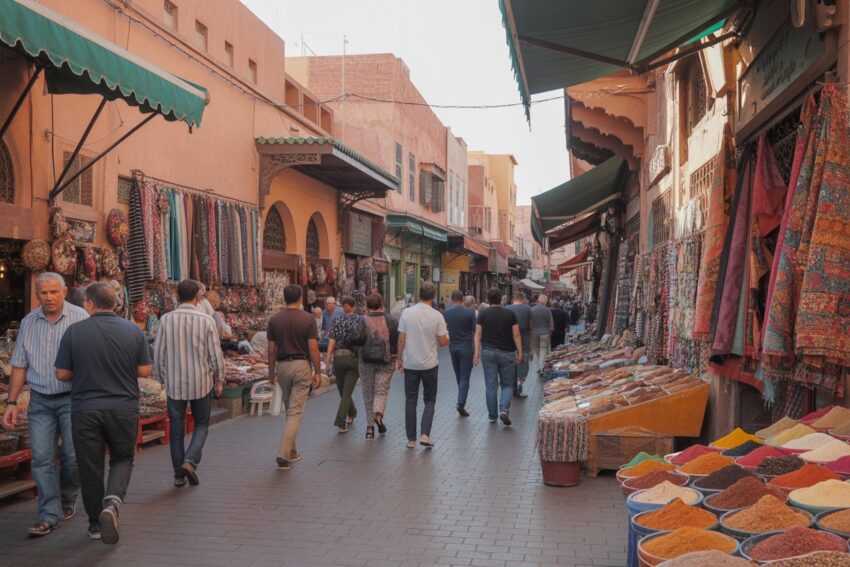
Moroccan travelers face significant challenges under the U.S.’s new visa policies. With the introduction of the “Visa Bond” program, individuals traveling from Morocco will be required to pay between $5,000 and $15,000 as a security deposit, adding a financial burden that many Moroccans simply cannot meet. This measure is part of a broader policy designed to ensure that visitors return home after their U.S. visit, but it has sparked widespread concern for its prohibitive cost.
In addition to the bond, the U.S. has introduced a new $250 “Visa Integrity Fee” that applies to most nonimmigrant visa categories, which, when combined with other administrative fees, brings the total cost of a U.S. visa to approximately $442. This sharp increase in cost is likely to discourage Moroccan tourists, students, and businesspeople from pursuing travel to the U.S. In response, many may turn to less expensive alternatives, such as traveling to Schengen Area countries or nearby destinations in the Middle East. These changes could significantly decrease the number of Moroccan visitors to the U.S. in the coming years.
Nigeria: Facing Financial Barriers with the New US Visa Bond
As Nigeria grapples with the new U.S. visa policies, the impact is expected to be severe. The introduction of the “Visa Bond” pilot program means that Nigerian travelers must pay a hefty bond ranging from $5,000 to $15,000. This could be a dealbreaker for many middle-class Nigerians, as it is now far more expensive to visit the U.S. on a tourist or business visa. The bond, designed to ensure travelers return home on time, must be paid via the U.S. Treasury’s Pay.gov portal and is only refundable once the traveler’s departure is confirmed by the Department of Homeland Security.
Nigerians are also facing a surge in visa application fees, which have nearly doubled in recent months due to the new “Visa Integrity Fee” of $250, in addition to the standard application fees. With these financial barriers in place, the prospect of traveling to the U.S. for business or leisure has become a distant dream for many. These policies are expected to have long-term effects on tourism, education, and business exchanges between Nigeria and the U.S., as many Nigerians may turn to other countries with less stringent visa requirements like the UK or Schengen Area.
South Africa: A Costly Shift for Travelers Heading to the US
South African travelers are set to face significant challenges under the new U.S. visa policies, as they will now be required to pay steep bonds and face skyrocketing application fees. The “Visa Bond” program, which mandates travelers to pay between $5,000 and $15,000 as a security deposit, is expected to discourage many South Africans from pursuing U.S. travel plans. The bond is refundable only after the traveler’s departure is confirmed, further complicating the process.
Additionally, South Africans will encounter a nearly doubled cost for visa applications, with the new $250 “Visa Integrity Fee” being added to the standard application fee. For many in South Africa, these financial barriers may push them to consider cheaper alternatives, like destinations in Europe or Asia, which offer more affordable visa options and fewer restrictions. This shift in policy threatens to damage the flow of South African tourists, business travelers, and students to the U.S., as the added expenses could make visiting the U.S. financially unfeasible for all but the wealthiest individuals.
Ethiopia: A Heavy Financial Burden on US Travel Plans
Ethiopian travelers will feel the weight of the new U.S. visa policies, with the implementation of the “Visa Bond” program creating significant financial obstacles. Travelers from Ethiopia, like many in sub-Saharan Africa, will now be required to pay a bond of $5,000 to $15,000 during their visa application process. This hefty sum, combined with the newly introduced $250 “Visa Integrity Fee,” pushes the total cost of a U.S. visa to over $442, a steep increase that could price out many Ethiopian applicants.
The bond, which aims to ensure that travelers return to their home countries, is refundable only after the Department of Homeland Security confirms the traveler’s timely departure. However, this requirement is expected to discourage many Ethiopians, particularly middle-class families, from pursuing U.S. travel altogether. With these added costs, Ethiopian students and businesspeople who once relied on the U.S. as a destination for education and trade may now look to other countries with more affordable visa processes, potentially shifting international engagement away from the U.S. in favor of countries with less stringent policies.
Congo: New Barriers to US Travel Leave Congolese Travelers Disillusioned
The Democratic Republic of the Congo is now feeling the pinch of the U.S.’s new visa policies, which have introduced barriers that will be difficult for many Congolese travelers to overcome. The new “Visa Bond” program requires travelers from the Congo to pay a bond of $5,000 to $15,000, a financial burden that many in this country simply cannot afford. This policy, aimed at ensuring that visitors return to their home countries, has already sparked criticism for being disproportionately expensive for travelers from developing nations.
The additional $250 “Visa Integrity Fee” imposed on nonimmigrant visas, on top of standard application fees, makes the overall cost of obtaining a U.S. visa prohibitively expensive. For many Congolese individuals, this could mean forgoing travel to the U.S. in favor of cheaper and more accessible alternatives, such as the Schengen Area or other African nations. As the financial barriers rise, the Congolese who once sought opportunities in the U.S. for business, education, or tourism may look elsewhere, limiting the cultural and economic exchanges between the two countries.
Kenya: New Visa Restrictions Make US Travel More Expensive
Kenya, one of the leading countries in East Africa for travel to the U.S., is facing a steep rise in visa-related costs and restrictions. With the new “Visa Bond” program now in effect, travelers from Kenya must pay between $5,000 and $15,000 as a security deposit. This requirement is especially tough for middle-class Kenyan families and students, many of whom rely on the U.S. for educational opportunities and cultural exchange.
Alongside the bond, the U.S. has implemented a new $250 “Visa Integrity Fee,” which further drives up the total cost of a visa to approximately $442. As the cost of entry to the U.S. becomes increasingly expensive, many Kenyans may seek alternative destinations, such as Europe or Asia, that offer more affordable visa options. This shift could have a long-lasting impact on Kenyan tourism and business ties with the U.S., as travelers look for more accessible and cost-effective destinations.
Egypt joins Morocco, Nigeria, South Africa, Ethiopia, Congo, Kenya, and other African countries facing major travel changes to the U.S. as the government introduces new fees, a Visa Bond program, and more this year.
Conclusion
Egypt, along with Morocco, Nigeria, South Africa, Ethiopia, Congo, Kenya, and other African countries, will face major travel changes to the U.S. this year. The implementation of new fees, the “Visa Bond” program, and additional restrictions will increase financial barriers for travelers from these nations. These measures are part of a broader effort by the U.S. to tighten immigration controls and ensure visitors’ timely departure. As a result, many travelers may look to alternative destinations with more accessible visa processes, potentially affecting tourism, business, and educational exchanges between these African countries and the U.S.
