Welcome to another day on safari in Zimbabwe.
We spent the second day of our train safari at Matobo National Park.
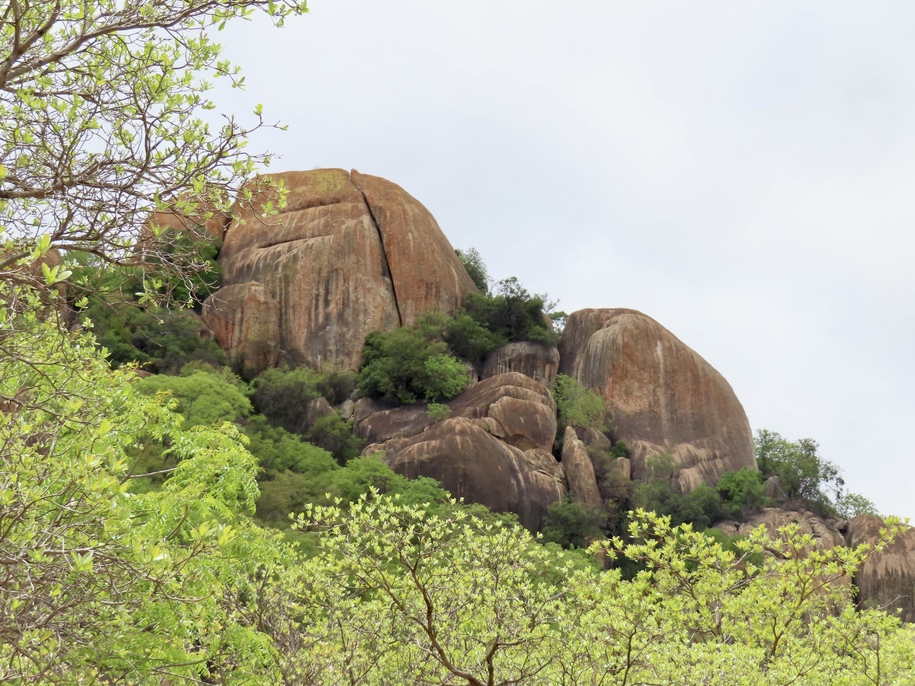
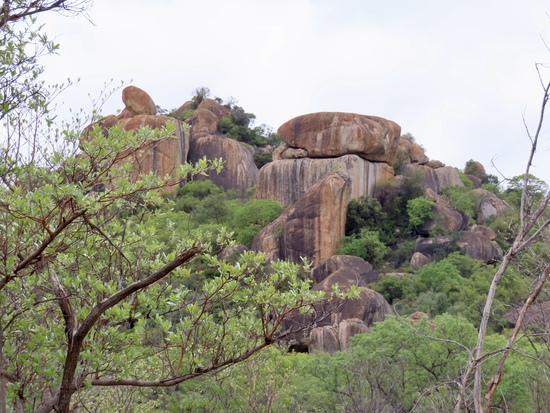
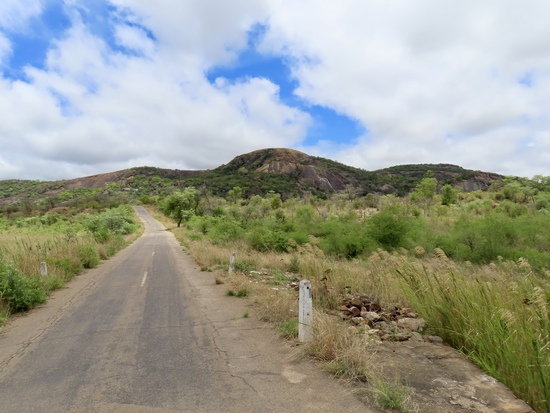
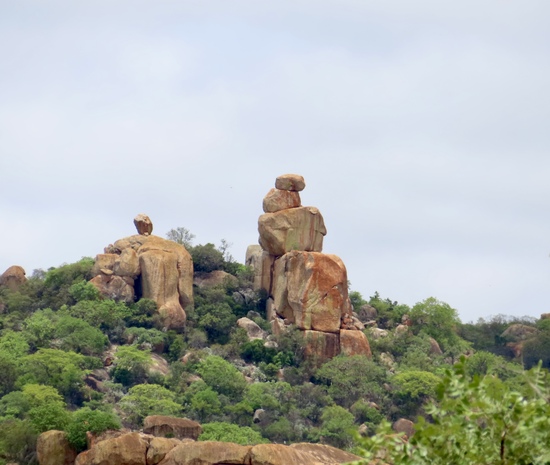
The topography of Matobo National Park reflects the Shona meaning of the name “Zimbabwe”.
The name “Zimbabwe” stems from a Shona term for Great Zimbabwe, a medieval city (Masvingo) in the country’s south-east. Two different theories address the origin of the word. Many sources hold that “Zimbabwe” derives from dzimba-dza-mabwe, translated from the Karanga dialect of Shona as “houses of stones” (dzimba = plural of imba, “house”; mabwe = plural of ibwe, “stone”).[19][20][21] The Karanga-speaking Shona people live around Great Zimbabwe in the modern-day Masvingoprovince. Archaeologist Peter Garlake claims that “Zimbabwe” represents a contracted form of dzimba-hwe, which means “venerated houses” in the Zezuru dialect of Shona and usually references chiefs’ houses or graves.[22] (Wikipedia)
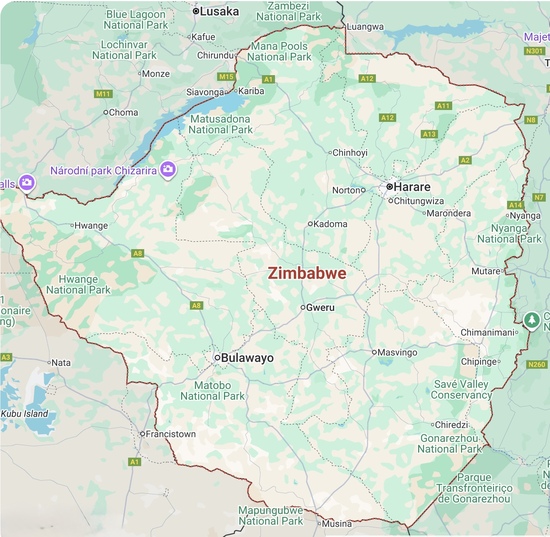
Matobo is southwest of Zimbabwe’s second largest city, Bulawayo.
We disembarked at the Bulawayo train station.
The city’s population is disputed; the 2022 census listed it at 665,940,[5] while the Bulawayo City Council claimed it to be about 1.2 million. Bulawayo covers an area of 546 square kilometres (211 square miles) in the western part of the country, along the Matsheumhlope River. Along with the capital Harare, Bulawayo is one of two cities in Zimbabwe that are also provinces. (Wikipedia)
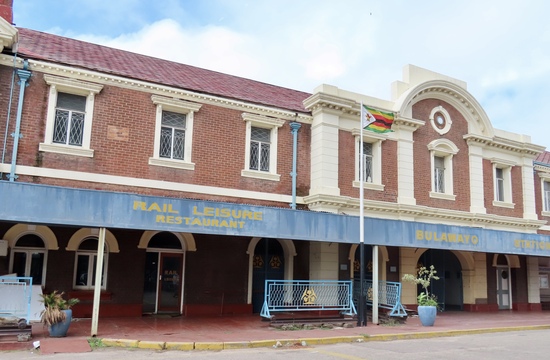
Bulawayo Station. It looked like the restaurant was permanently closed.
══════ ∘◦❀◦∘ ══════
Arriving at the park, our first stop was to view San rock paintings.
San (Bushmen) lived in the hills about 2,000 years ago, leaving a rich heritage in hundreds of rock paintings. There are over 3,000 registered rock art sites,[7] with the main periods of painting being between 320 and 500 C.E.. (Wikipedia)
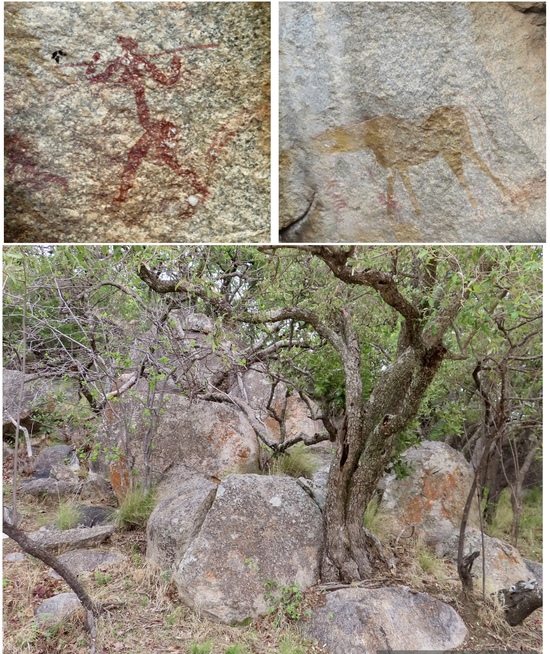
The paintings were hidden in a rock overhang
Mopane trees surrounded the rock outcropping. Our guide told us and as you can see, the leaf litter has alleopathic properties (inhibit the growth of other plants). The tree is used medicinally. Chewing a leaf will numb your mouth, I can attest.
A few flowers were blooming — it was spring in the southern hemisphere.
The Zimbabwean economy is in bad shape. We lent some support at a local craft market.
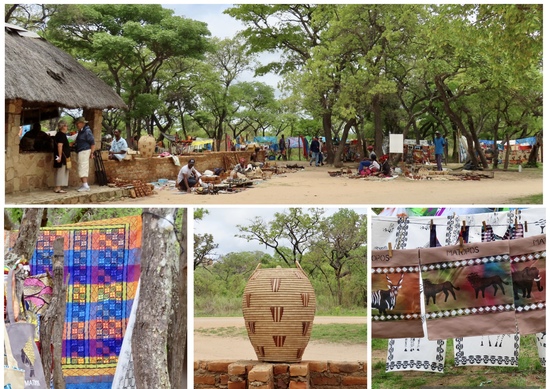
I bought the brightly colored cloth on the left, which fit the table perfectly at Christmas. Unfortunately the basket wouldn’t fit in my suitcase.
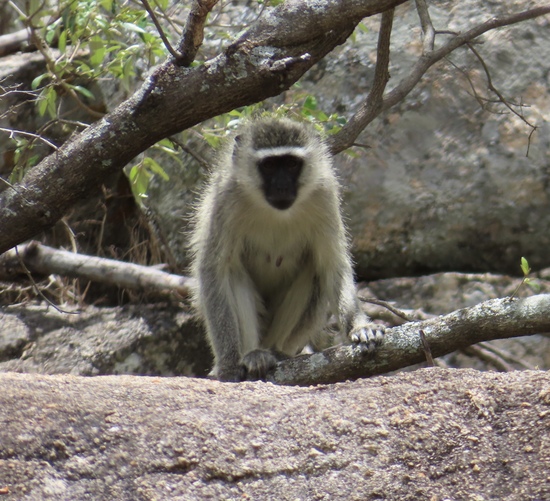
Our first sighting of a Vervet Monkey
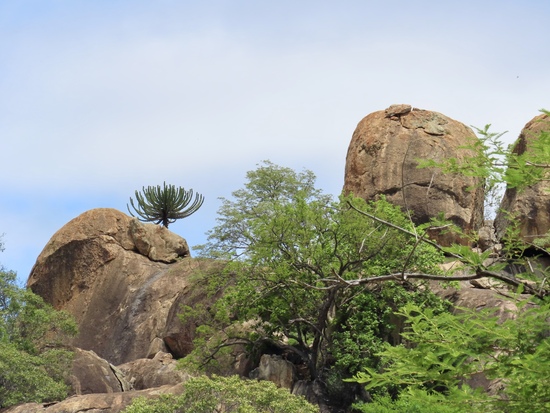
“Matopo” or “Matobo”means ‘bald heads’, and was the name chosen for the area by the Ndebele King, Mzilikazi.
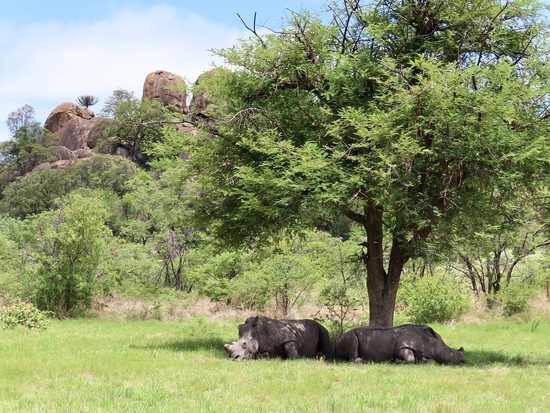
Our first sighting of White Rhinoceros
Southern White Rhinoceros, aka square-lipped rhinoceros, are the most abundant of the species but are still considered “near threatened”. The gestation period is about 16 months. Calves are 90 to 140 lbs at birth and are born without horns. They stay with their mother for approximately 3 years.
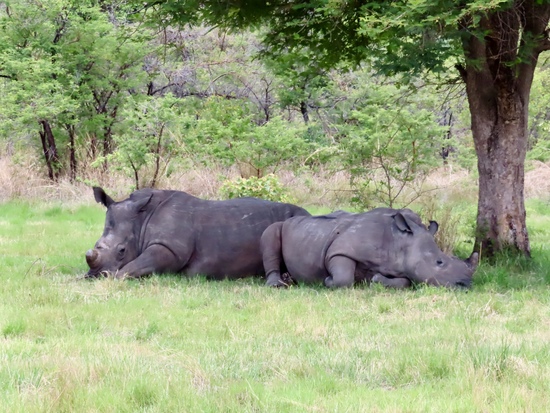
Mother and juvenile
All of the rhinos we observed were protected by armed guards because of the high incidence of poaching for their horns. Almost all the rhinos we saw had their horns removed as a deterrent. The horns regrow, so this is a recurring operation.
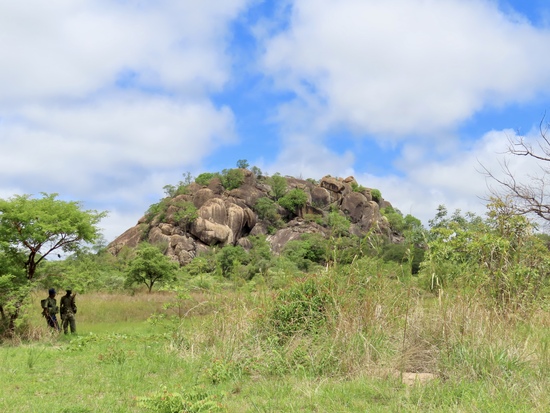
Rhino guards
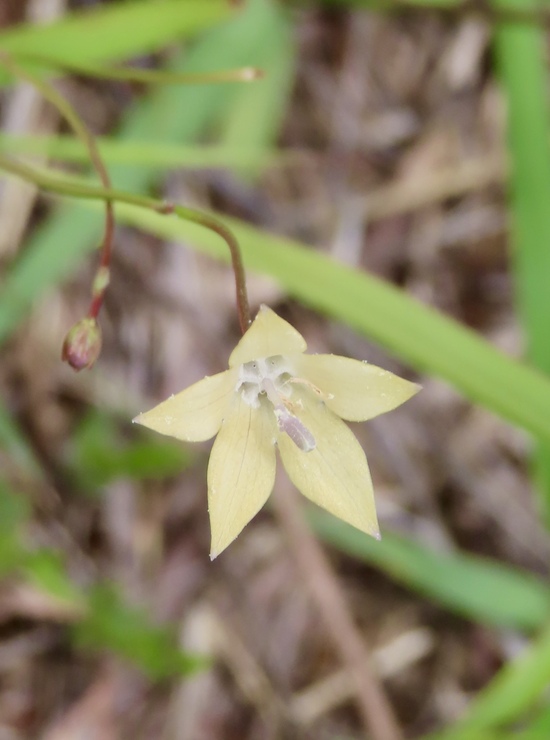
Unidentified grassland flower
In the afternoon we hiked up Malindidzimu (“Hill of the Ancestral Spirits” in Kalanga). It is considered a sacred place; controversially Cecil Rhodes and other white colonialists are buried there.
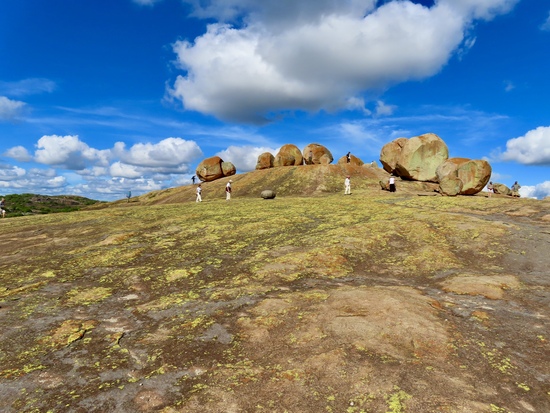
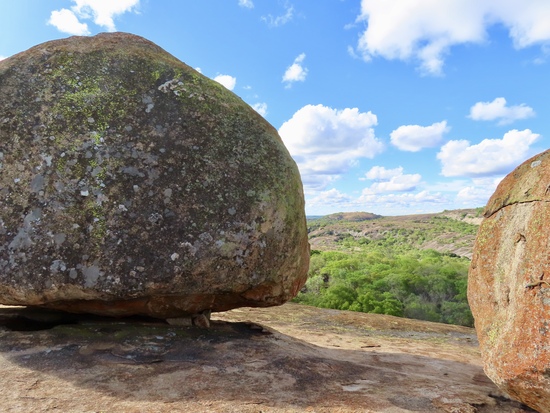
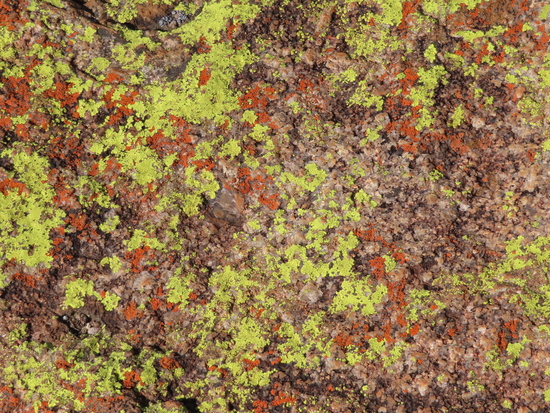
There were amazing colorful lichens everywhere
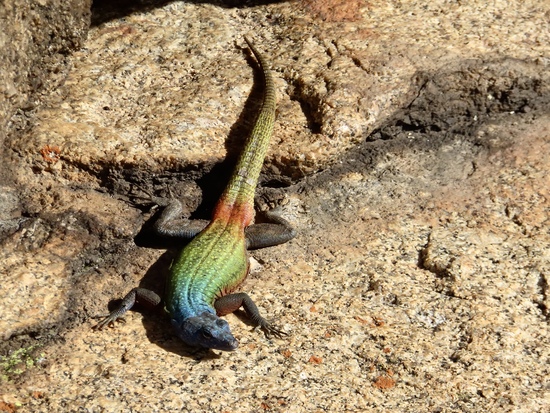
This spectacular creature deserves a better name, although the “common” part was appropriate- there were several around. Common flat lizard, male
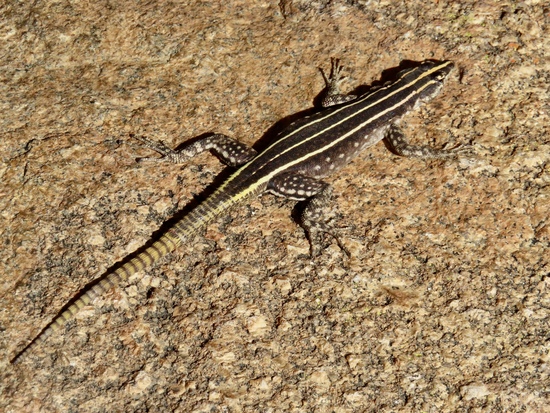
Either a female or juvenile Common flat lizard
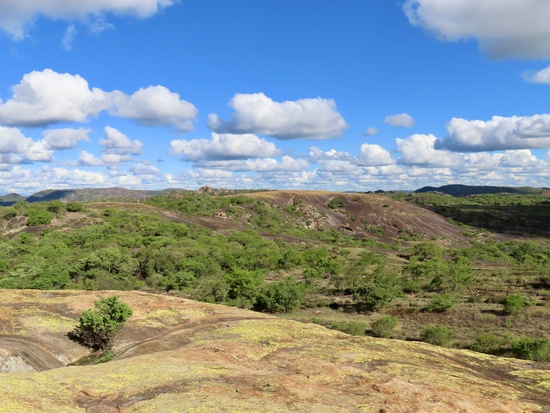
View from the summit, look at all those lichens!
On our way out of the park we spotted more rhinos. This calf is only a few months old. Although you can’t see her in the photo, the mother is very close by.
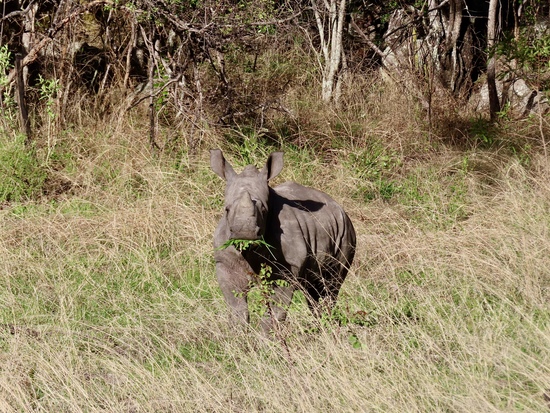
A mouthful — rhinos do not have front teeth, and pull vegetation with their lips
White Rhino calf (44 seconds), the mother is in the shadows to the left at the beginning.
Baby rhino facts: Africa’s heart-warming herbivores
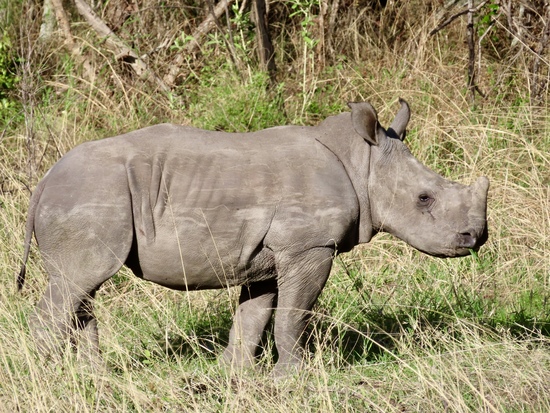
You can never have too many pictures of baby rhinos
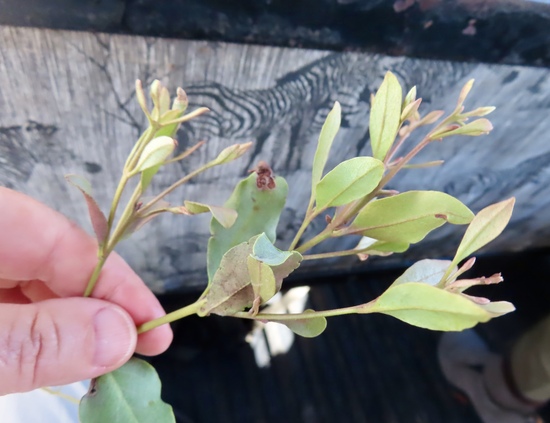
We brushed our teeth with this twig, but I couldn’t identify the plant from this photo.
Links to the previous Safari Buckets:
The Daily Bucket: Victoria Falls, Zimbabwe
The Daily Bucket: Hwange National Park, Zimbabwe
╔══════ ≪≫°✺°≪ ≫ ══════╗
The Daily Bucket is a nature refuge. We amicably discuss animals, weather, climate, soil, plants, waters and note life’s patterns.
We invite you to note what you are seeing around you in your own part of the world, and to share your observations in the comments below.
══════ ∘◦❀◦∘ ══════
Each note is a record that we can refer to in the future as we try to understand the phenological patterns that are quietly unwinding around us. To have the Daily Bucket in your Activity Stream, visit Backyard Science’s profile page and click on follow.
╚══════ ≪≫°✺°≪ ≫ ══════╝
What’s happening in your backyard or anywhere you’ve visited?
Have you been to Zimbabwe? Please share your pictures and comments!