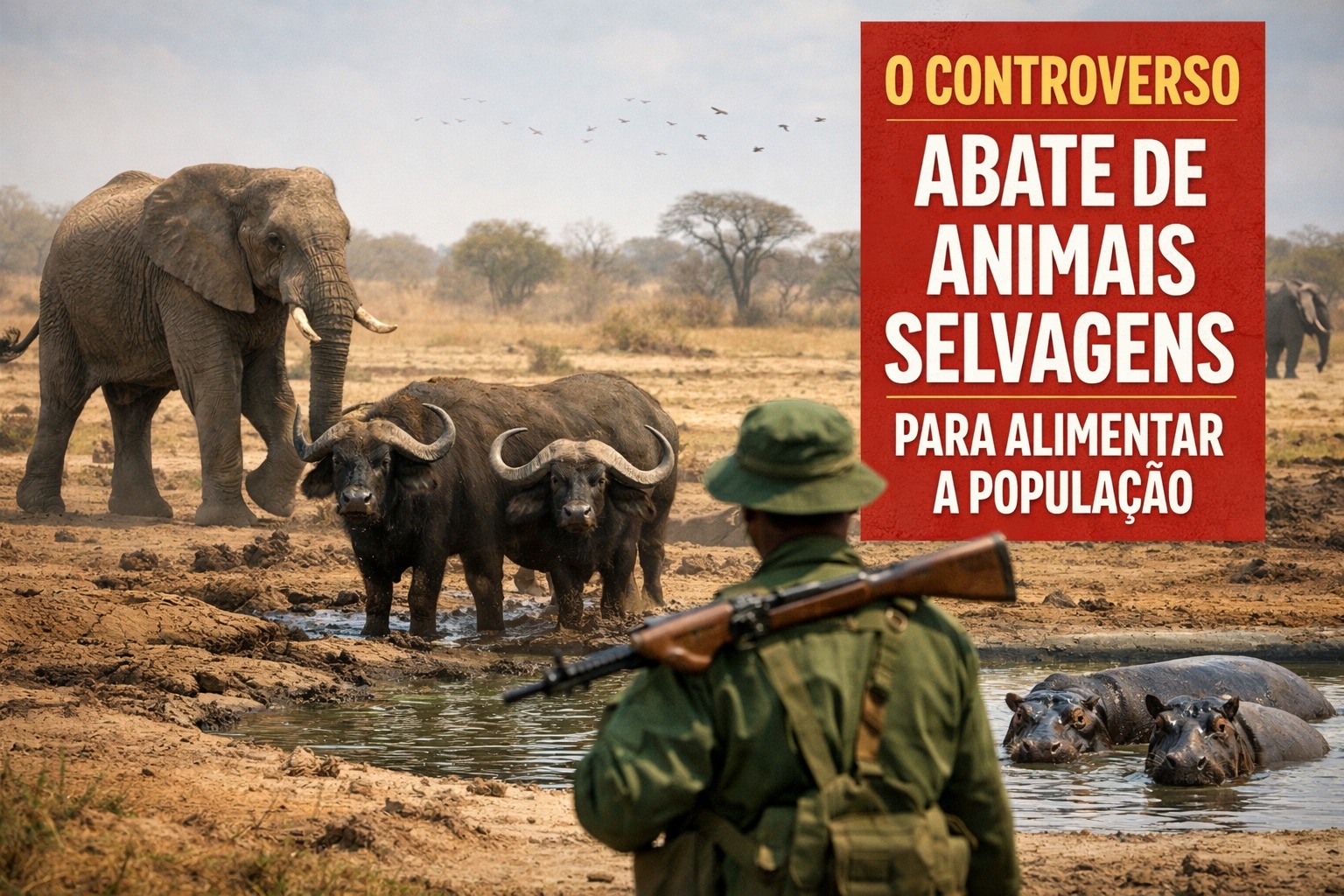
Zimbabwe and Namibia’s decision to cull elephants between 2024 and 2026 exposes how historic drought, agricultural collapse, overpopulation in parks, and deadly conflicts have forced governments to adopt extreme management practices to provide protein, reduce risks to rural communities, and attempt to sustain conservation models under ongoing climate pressure.
The decision to slaughter elephants for human consumption in Zimbábue e Namíbia It exposes, between 2024 and 2026, a humanitarian and ecological crisis aggravated by extreme drought, agricultural collapse and deadly conflicts, forcing governments to make controversial choices to guarantee food and security.
The climate crisis as an immediate trigger.
The worst drought in Southern Africa in 40 years, intensified by El Niño, has destroyed crops, dried up water sources, and reduced pastures, increasing disputes over water between rural communities and large herbivores.
With insufficient food reserves, governments have turned to emergency sources of protein, while attempting to reduce environmental pressure and contain frequent elephant incursions into vulnerable villages.
— ARTICLE CONTINUES BELOW —
See also other features
How much does it cost to install a ceiling in a low-cost house using PVC versus plasterboard: a real comparison of prices per square meter, labor, installation time, and maintenance.

The country that reduced poverty from 58,7% to 20,2% in 15 years: with macroeconomic stability and a commodities boom, it reduced extreme poverty to 2,9% and became a case study in Latin America.
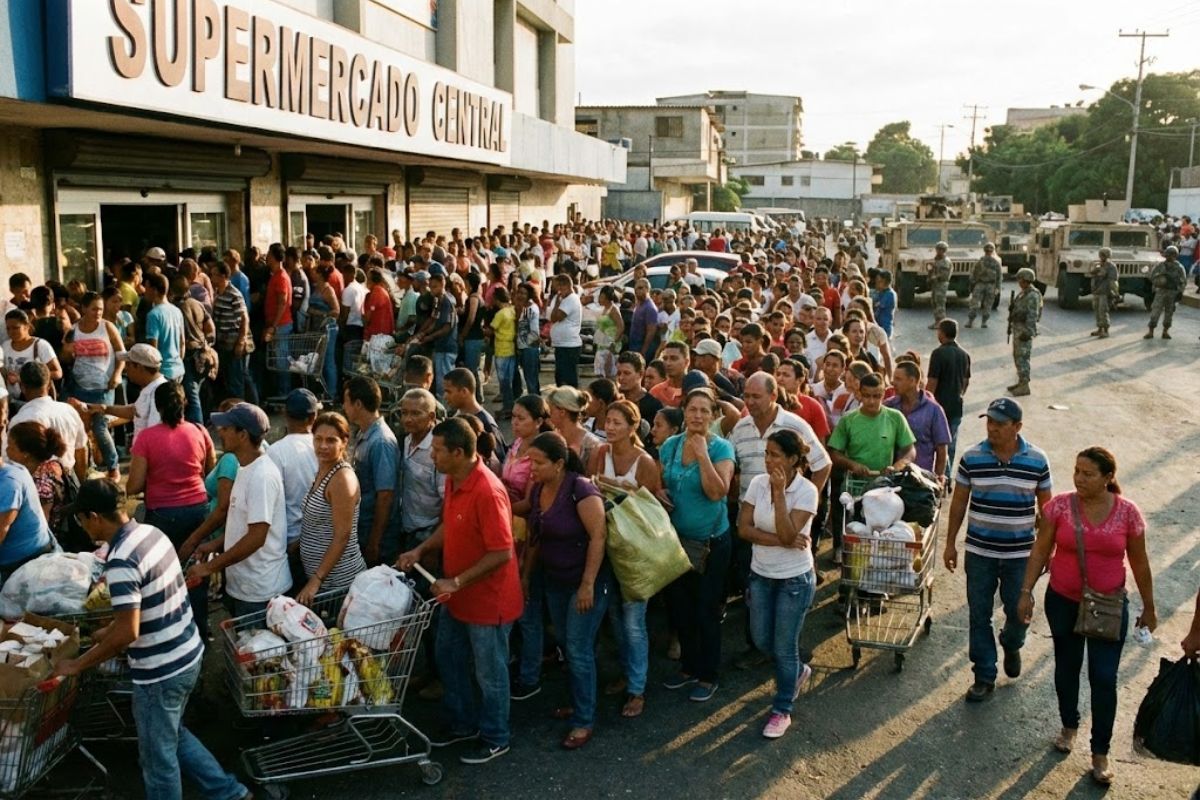
Fearing shortages, Venezuelans rush to supermarkets and form lines hours after a US operation captured Nicolás Maduro and Cilia Flores; streets are deserted at dawn, memories of 2017 return, and the crisis of -80% GDP and hyperinflation looms.
It became a meat giant without a billionaire owner, without an heir in charge, and without scandals, using cooperatives to grow, compete with JBS and BRF, and reach the tables of millions of Brazilians.

Are you in favor of US military intervention in Venezuela and the arrest of Nicolas Maduro?
— Click Oil and Gas (@clickpetroleoeg) January 3, 2026
The initial plan announced in 2024
In August 2024, Namibia announced the culling of 723 wild animals, including 83 elephants, later increased to 100, as well as hippos, buffalo, and zebras.
The stated objective combined three fronts: feeding nearly half the population facing severe food insecurity, relieving degraded pastures, and reducing conflicts between humans and wildlife.
Authorities explained that elephants, in their search for water and food, invaded agricultural areas, destroyed crops, and put residents at direct risk, especially during prolonged droughts.
The adoption of the measure by Zimbabwe
In September 2024, Zimbabwe announced its first official culling since 1988, with an initial target of 200 elephants, under the coordination of… ZimParks.
According to authorities, Hwange National Park can support around 15.000 elephants, but it houses more than 45.000, making survival during recurring extreme droughts impossible.
Evolution of the program throughout 2025
During 2025, culling ceased to be an emergency response and became part of policies for managing overpopulation in critical areas of human-animal conflict.
In Namibia, by mid-2025, more than 160 kilograms of bushmeat had been distributed through the Drought Relief Program.
In Zimbabwe, the government defended the policy as a constitutional right to use natural resources for the direct benefit of citizens affected by scarcity.
Internal resistance and international pressure regarding culling.
The strategy generated a strong reaction from conservation organizations, including the Sheldrick Wildlife Trust and Born Free.
The organizations classified the culling as a palliative solution incapable of resolving structural hunger, warning of the risks of stimulating illegal bushmeat markets.
Internal critics also pointed to the political use of meat distribution in strategic electoral regions, increasing social tensions in an already unstable context.
The scenario observed at the beginning of 2026
In January 2026, despite sporadic rainfall, soil recovery remains slow, maintaining pressure on rural communities and nature reserves.
In June 2025, Zimbabwe authorized the culling of another 50 elephants in the Savé Valley Game Reserve, targeting areas of deadly conflict.
Between January and April 2025, elephant attacks caused the deaths of 18 people, leading to the reactive culling of animals classified as problematic.
Debate on conservation and subsistence
Governments advocate for community-based conservation models, arguing that, without immediate economic value, wildlife protection is hardly sustainable during times of crisis.
The tourism sector, essential to the regional GDP, is watching cautiously, fearing damage to its international image and a drop in revenue that finances parks.
As background, the region was already facing tensions between elephant population growth, climate change, and historical limitations in environmental funding, factors that have converged in the current crisis.
Based on information from AP News, Aventuras na História, and other sources.