Home
»
SOCIAL MARKETING NEWS
»
Nepal, Kenya, Singapore and Mexico are the Countries Which Revolutionized Travel Economy and Have Won the Global Tourism Battle Due to Social Media Influencers Flocking Here
Published on
January 16, 2026
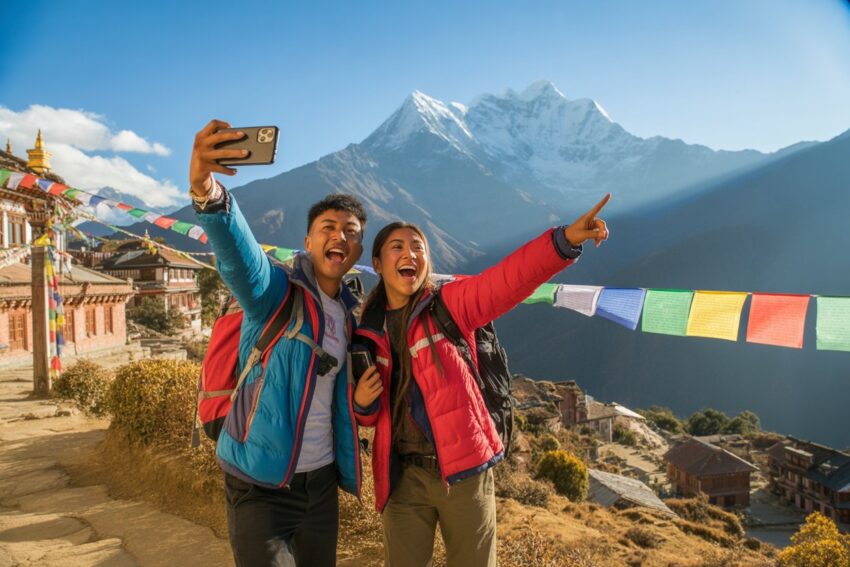
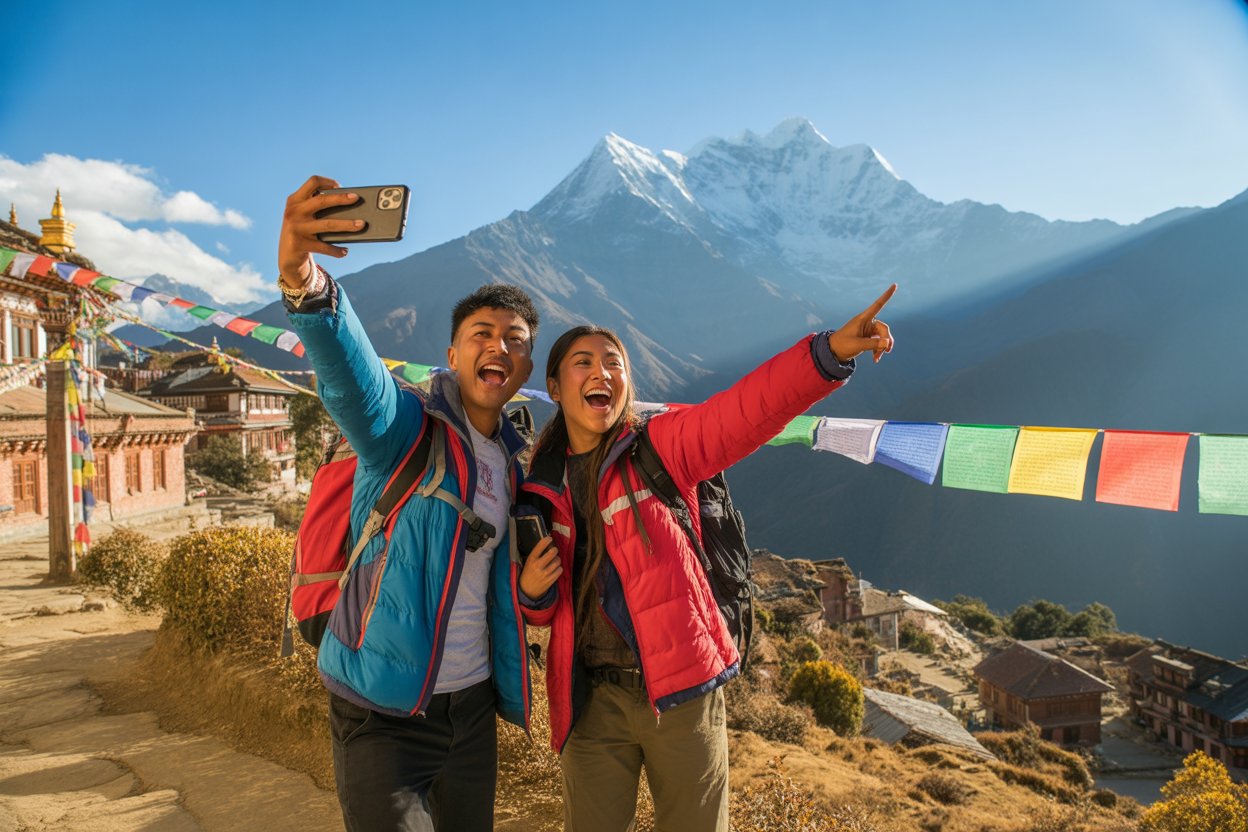
In 2026, social media platforms like Instagram and TikTok have firmly established themselves as essential tools for promoting tourism. These platforms are no longer just about food or selfies; they have become powerful marketing channels that attract millions of tourists to both well‑known and hidden destinations. Nepal’s mountain vistas, Kenya’s wildlife safaris, Singapore’s culinary delights, and Mexico’s rich culture are now showcased globally by travel influencers. In this article, we will explore how Nepal, Kenya, Singapore, and Mexico are mastering the art of Instagram and TikTok marketing to boost their tourism industries.
How Social Media Influencers Are Shaping Travel Choices
Social media platforms have revolutionized how people discover new places to visit. When someone scrolls through their feed on TikTok or Instagram, they are now just as likely to see a breathtaking shot of Nepal’s Himalayas or Kenya’s Maasai Mara as they are to see a curated ad from a major travel agency. Influencers and creators on these platforms have become the go‑to source for travel recommendations, especially for younger generations looking for authentic experiences and off-the-beaten-path destinations.
One of the most successful strategies has been the partnership between tourism boards and these influencers, who showcase the beauty and charm of a country through short-form videos, reels, and posts. The ability to go viral means that these posts can reach millions of potential visitors, spreading awareness and boosting a destination’s appeal without the need for expensive TV ads or traditional marketing campaigns.
Nepal: TikTok Campaigns Showcasing Natural Beauty and Adventure
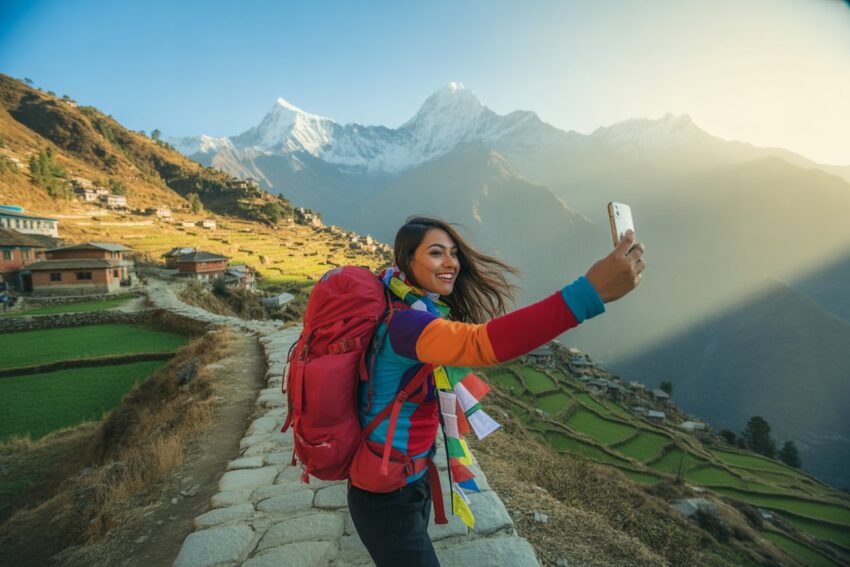
Nepal’s Tourism Board has made a huge impact in the travel sector through its partnership with TikTok, focusing on showcasing the country’s stunning mountain landscapes, cultural diversity, and adventure tourism opportunities. The country’s breathtaking Himalayan trekking trails, including those leading to Mount Everest Base Camp, have been highlighted in viral TikTok campaigns, where travel creators share their experiences and give followers a taste of what it’s like to explore the country.
Nepal’s tourism marketing strategy has been highly effective in targeting adventurous, young travellers, with TikTok challenges, user‑generated content, and influencer travel diaries creating a buzz. Nepal’s focus on sustainable tourism and local cultural experiences is especially appealing, drawing people who want to experience a country’s authentic culture while respecting its heritage and environment. Through TikTok, the Nepal Tourism Board has been able to tap into a global audience, highlighting not only Nepal’s world‑famous trekking routes but also its villages, temples, and local crafts.
Kenya: TikTok and Instagram Help Promote Wildlife and Conservation Tourism
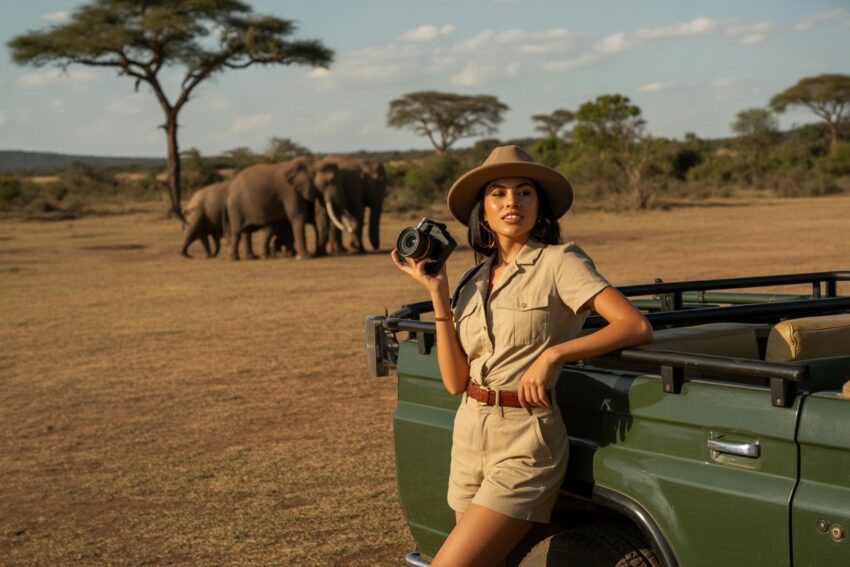
In Kenya, wildlife tourism plays a major role in driving the country’s economy. Thanks to Instagram and TikTok, Kenya Tourism Board (KTB) has made great strides in showcasing its national parks like the Masai Mara, Amboseli, and Tsavo. TikTok creators and wildlife photographers capture stunning lion sightings, elephant herds, and majestic sunsets over African plains, presenting a side of Kenya that’s both breathtaking and educational. Through these platforms, KTB not only highlights Kenya’s wildlife but also educates travelers about conservation efforts and sustainable tourism practices. The rising popularity of wildlife documentaries and nature videos on TikTok has made Kenya’s big five safari an alluring destination for millions of nature lovers and eco-tourists.
Instagram and TikTok influencers, many of whom have visited Kenya as part of sponsored collaborations, have helped increase the visibility of the country’s eco‑tourism initiatives, from volunteer conservation programs to eco‑friendly safari experiences. Social media gives travelers an inside look into the real Kenya, offering a window into its wildlife conservation projects and community-based tourism initiatives.
Singapore: TikTok and Instagram Showcase Cultural and Culinary Delights
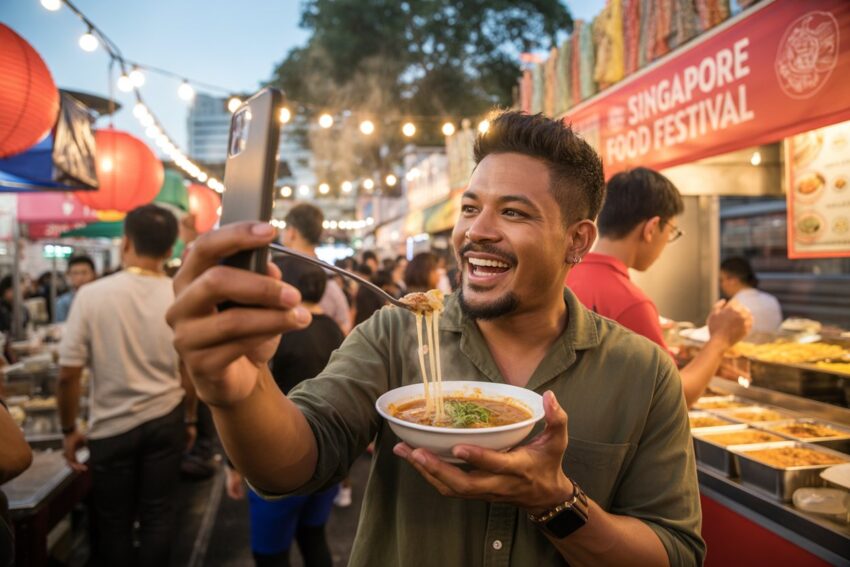
Singapore’s Tourism Board has also embraced Instagram and TikTok as powerful marketing platforms to showcase the country’s stunning skyline, cultural festivals, and incredible food scene. Through carefully crafted content, Singapore presents itself as a cosmopolitan hub with a unique blend of cultures and cutting-edge architecture. From food tours in Chinatown and Little India to museums, gardens, and urban parks, Singapore’s social media presence thrives on highlighting a vibrant mix of modern attractions and traditional heritage.
One standout feature of Singapore’s tourism campaigns is its collaboration with food influencers, who document their dining experiences in the city’s Michelin‑starred restaurants and hawker centres. Through TikTok, influencers have brought attention to the diversity of Singapore’s culinary offerings, from Hainanese chicken rice to chilli crab. The Singapore Tourism Board also runs hashtag campaigns to encourage both locals and tourists to share their favourite food experiences across the city. These viral food moments create excitement around Singapore’s unique blend of street food culture and high‑end dining, attracting both foodies and adventure seekers.
Mexico: Instagram’s Power for Cultural and Luxury Travel Promotion
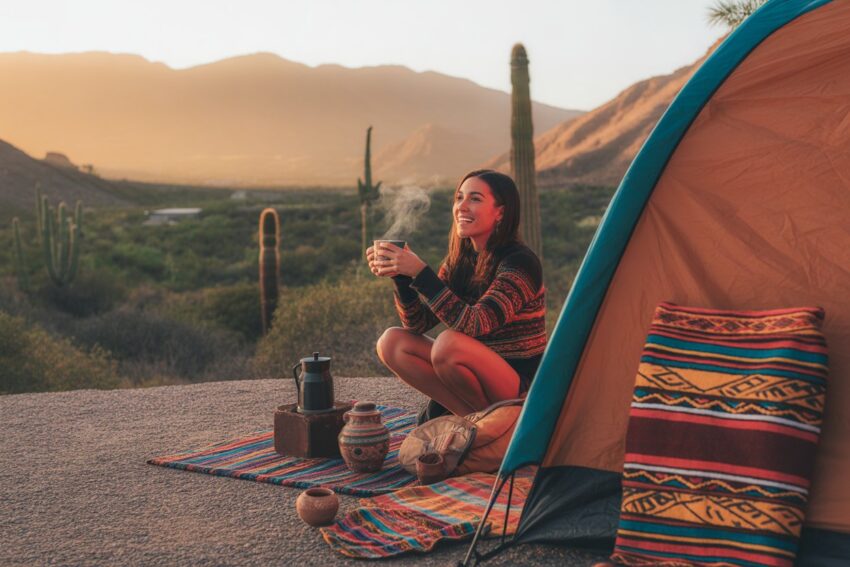
Mexico, a perennial favourite among U.S. and international travellers, is amplifying its appeal through Instagram and TikTok. The Mexico Tourism Board has launched engaging campaigns using Instagram Stories, Reels, and TikTok challenges, promoting the country’s diverse destinations, ranging from the ancient Mayan ruins in Chichen Itza to the bustling beaches of Cancún and the luxurious resorts in Los Cabos. Mexican destinations use Instagram’s visual storytelling power to highlight hidden gems, local crafts, and immersive cultural experiences, inviting visitors to explore beyond the usual tourist spots.
TikTok is also a key player in Mexico’s marketing strategy, with influencers posting fun videos of surfing in Puerto Escondido, exploring the underground cenotes in the Yucatán Peninsula, and tasting traditional Mexican food. These short‑form videos are designed to connect emotionally with audiences, particularly younger travelers looking for unique, Instagrammable moments and local culture.
The Future of Social Media in Tourism Marketing
As the digital landscape continues to evolve, social media platforms like Instagram and TikTok will remain pivotal tools in the marketing toolbox for tourism boards. These platforms allow destinations to connect with global audiences, share real‑time experiences, and build brand awareness that traditional marketing methods simply cannot match. For travel marketers, the ability to go viral, engage influencers, and collaborate with content creators will be key to shaping the future of the tourism industry. Countries like Nepal, Kenya, Singapore, and Mexico are leading the way, harnessing the power of social media to increase visibility and attract travellers from every corner of the world.
Conclusion: Why Social Media is the Future of Global Travel Marketing
Instagram and TikTok have revolutionized the tourism industry by allowing destinations to reach millions of potential visitors in ways that were unimaginable just a few years ago. Through creative content, influencer partnerships, and user-generated posts, these platforms offer a unique, personalised approach to destination marketing. The success of countries like Nepal, Kenya, Singapore, and Mexico in leveraging social media highlights how travel and tourism marketing is evolving, and the importance of staying ahead of digital trends.
As the tourism industry adapts to the new realities of post‑pandemic travel, embracing Instagram and TikTok will continue to be essential for any destination looking to remain relevant in a rapidly changing world.
