Home » Jordan Travel News » Morocco Joins Lebanon, Jordan, Egypt, South Africa, Angola, Ethiopia, and Other Countries in Skyrocketing Tourism Growth Across the Middle East and Africa with a Record Surge in Tourist Arrivals Last Year, and How They Are Approaching 2026
Published on
January 4, 2026
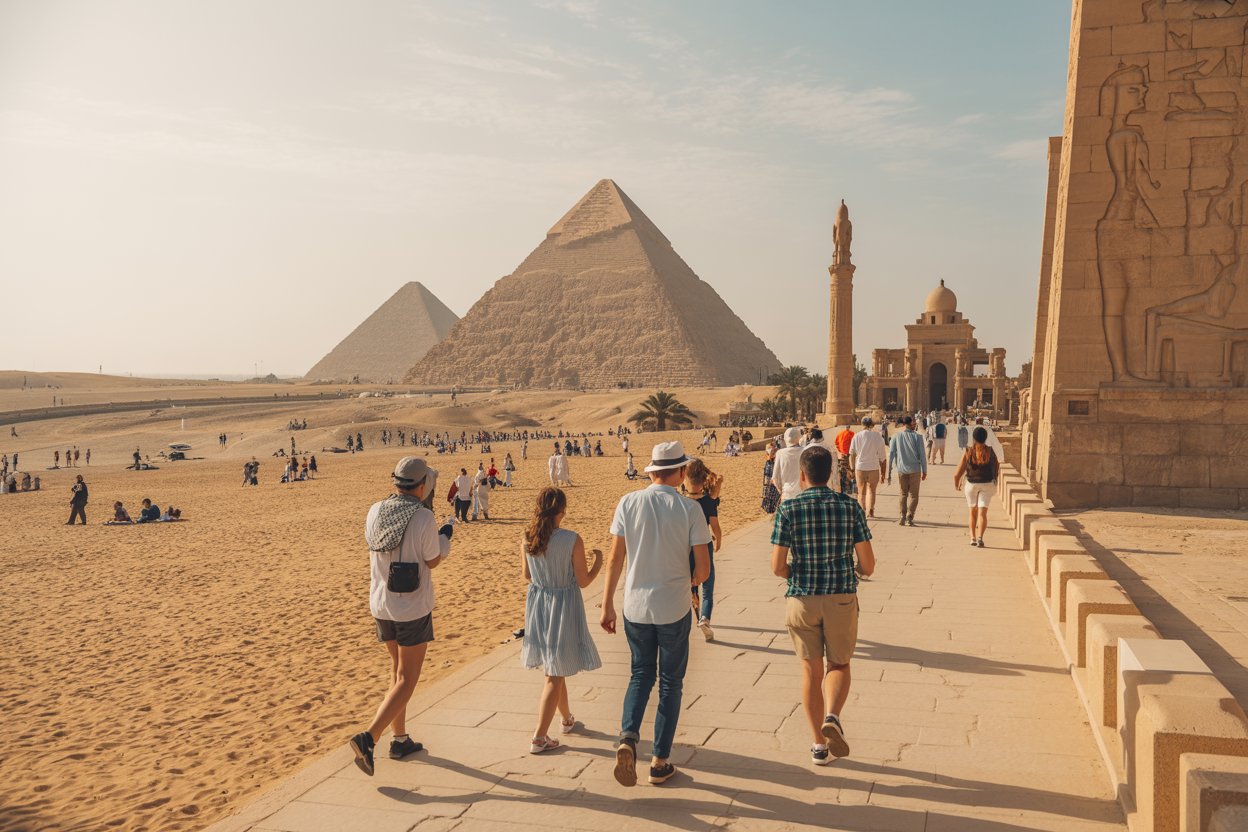
Morocco joins Lebanon, Jordan, Egypt, South Africa, Angola, Ethiopia, and other countries in experiencing record tourism growth across the Middle East and Africa, with a surge in arrivals. As they approach 2026, these nations are focusing on expanding infrastructure and diversifying offerings to sustain momentum. The rise in tourism is a result of strategic investments in cultural, natural, and historical attractions that have drawn increasing numbers of international visitors. In Morocco, the unique blend of rich history, vibrant cities like Marrakech, and scenic coastal regions has made it a top destination for travelers. Similarly, countries like Lebanon, Jordan, and Egypt have capitalized on their iconic landmarks and emerging luxury offerings to enhance their tourism appeal. As these nations look toward 2026, they are strategically planning to build on this growth by enhancing infrastructure, expanding eco-tourism options, and attracting niche markets such as adventure and luxury travel. These efforts are set to solidify the Middle East and Africa as prime global tourism destinations.
Egypt: A Record-Breaking Surge in Tourism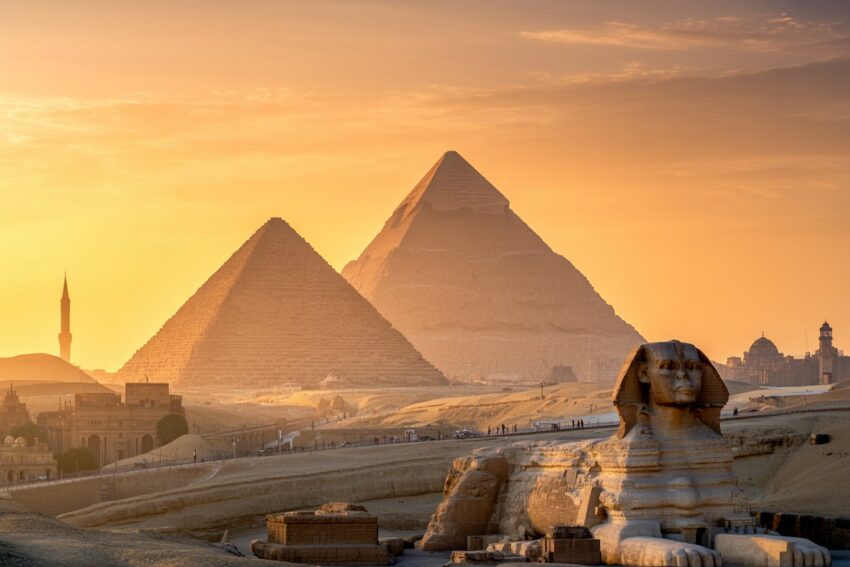
Egypt has experienced a remarkable tourism resurgence in 2025, with a stunning 21% increase in international arrivals from January to September compared to the previous year. This surge translated into nearly 19 million visitors flocking to the country’s iconic destinations, including Cairo, Sharm El‑Sheikh, Hurghada, and Marsa Alam. The growth can be attributed to a combination of factors: enhanced security measures, expanded tourism offerings, and a rejuvenated image that balances Egypt’s rich historical legacy with its appeal as a modern beach resort destination. Charter flight traffic alone surged by 32%, demonstrating stronger confidence among travel operators.
The spotlight was also on New Alamein City, a coastal development that saw an extraordinary 450% increase in charter arrivals, reflecting the country’s diversification of its tourism product. As Egypt continues to invest in monumental projects like the Grand Egyptian Museum, set to become a cultural hub, the nation’s tourism sector is expected to remain a key driver of economic growth, blending ancient wonders with new-age luxury. According to UN Tourism, this growth trend continues to position Egypt as a premier destination in the region.
Lebanon: Navigating Challenges Toward Recovery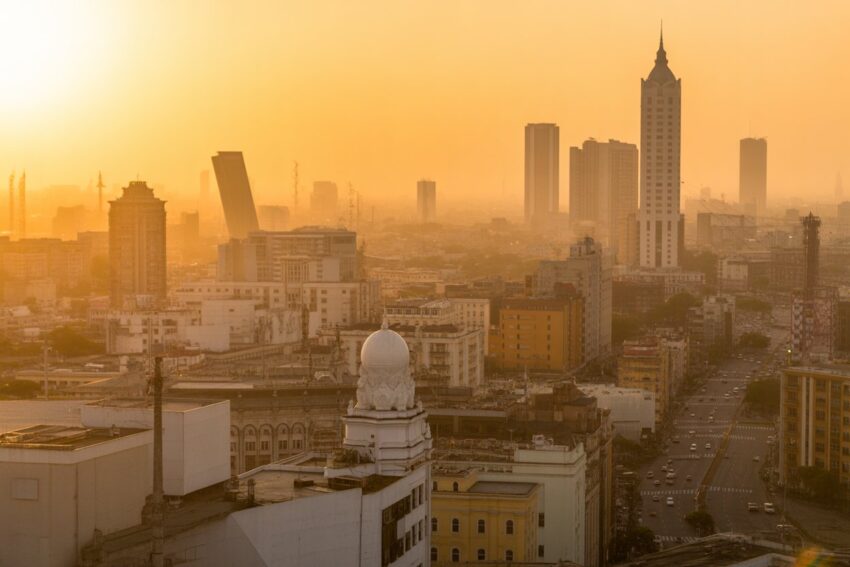
Lebanon’s tourism sector saw a strong 22% growth in 2025, signaling a cautious but promising recovery after a tumultuous few years marked by political instability and an economic crisis. The increase in visitors, tracked from January to September 2025, helped revive key destinations like Beirut and the Bekaa Valley, as travelers returned to explore the country’s rich cultural and culinary heritage. The revival was particularly evident at Beirut’s international airport, where flight activity and passenger numbers saw significant growth.
Despite lingering political and economic challenges, Lebanon’s attractions continue to captivate the international market. Nature reserves like Al Shouf Cedar Forest and the country’s ancient ruins draw a mix of tourists, particularly from the Lebanese diaspora and neighboring Gulf countries. While the road to full recovery may be long, Lebanon’s tourism sector is demonstrating resilience, showing signs of regaining its pre-crisis vitality, driven by its unique blend of history, cuisine, and Mediterranean charm. According to UN Tourism, Lebanon’s growth in the first three quarters of 2025 is a positive sign for its future recovery.
Jordan: Heritage Meets Adventure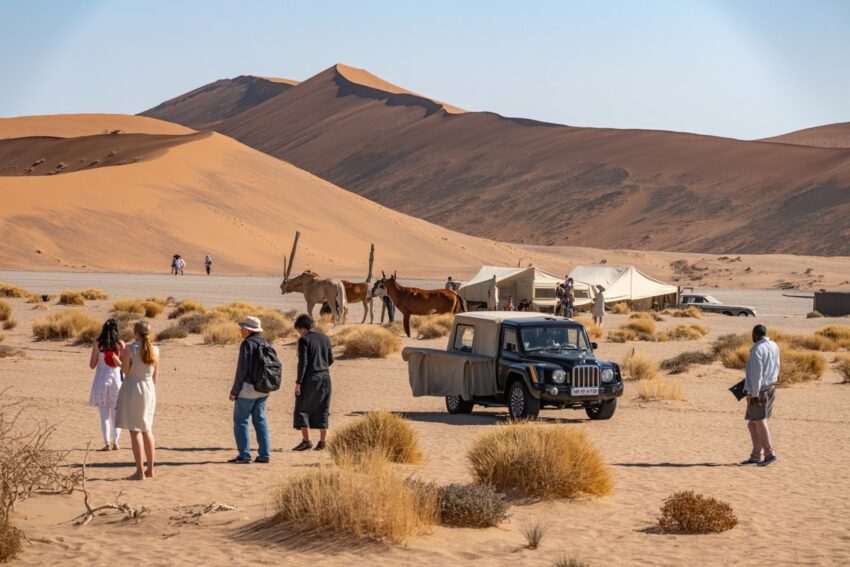
Jordan saw a solid 11% increase in tourism arrivals from January to September 2025, reinforcing its position as one of the region’s most compelling cultural and adventure destinations. Key attractions such as the ancient city of Petra, a UNESCO World Heritage site, and the Roman ruins of Jerash have seen growing interest as travelers seek immersive experiences that go beyond typical beach vacations. Jordan’s growing appeal is also reflected in the significant increase in overnight visitors, which reached 2.7 million by mid-year.
Much of this growth can be attributed to expanded air connectivity, particularly with neighboring Gulf markets, as well as improvements to infrastructure and services at key tourist sites. New investments in regions like Aqaba, which is rapidly developing as a modern coastal hub, have further bolstered the country’s appeal. As a result, Jordan is attracting not just more tourists, but also higher levels of spending, with tourism receipts rising steadily, underscoring the country’s dynamic blend of historical grandeur and natural beauty. According to UN Tourism, this growth from January to September 2025 highlights Jordan’s sustained appeal in the region.
Angola: A Rapidly Emerging Destination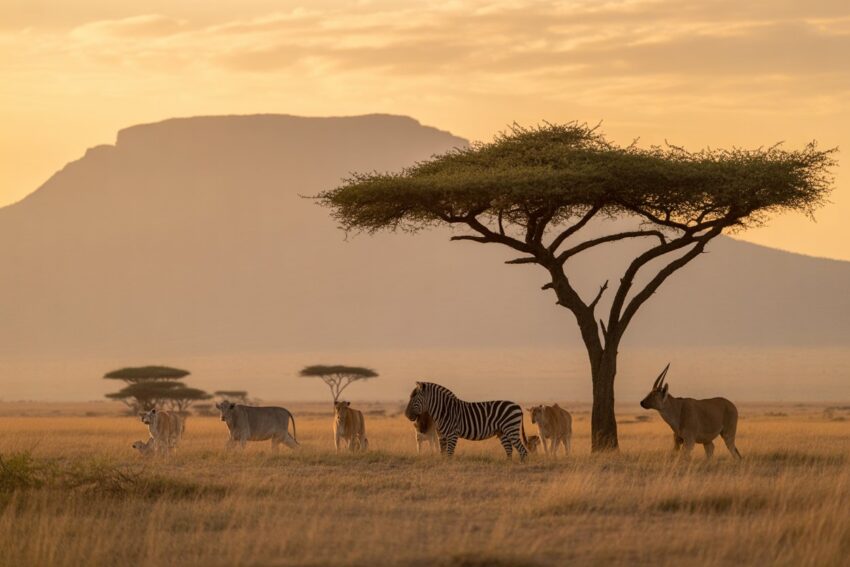
Angola has emerged as one of Africa’s fastest-growing tourism markets, with a staggering 30% increase in tourism activity from January to September 2025—the highest growth figure in the region. Although the country is still developing its tourism infrastructure, Angola’s appeal lies in its untouched natural landscapes, colonial heritage, and growing urban hubs like Luanda. From the breathtaking Kalandula Falls to the bustling capital, travelers are increasingly attracted to Angola’s unique mix of adventure tourism and cultural exploration.
Improvements in visa facilitation and a surge in global hospitality investments have further fueled this growth. International hotel chains are expanding in Luanda and other key cities, positioning Angola as an emerging destination for both business and leisure travelers. While its absolute visitor numbers remain smaller compared to more established African destinations, Angola’s rapid growth reflects the broader trend of travelers seeking less conventional, more adventurous destinations across the continent. According to UN Tourism, Angola’s tourism boom from January to September 2025 is a clear indicator of its growing prominence in Africa.
Ethiopia: A Rich Tapestry of Culture and Nature
Ethiopia’s tourism sector saw an 18% increase in arrivals in 2025, from January to September, capitalizing on its growing reputation as a destination for cultural and nature tourism. The country’s ancient history, exemplified by sites such as the rock-hewn churches of Lalibela, coupled with its dramatic landscapes like the Simien Mountains, continues to attract a wide range of visitors. Ethiopia’s unique blend of cultural heritage, wildlife, and trekking opportunities makes it a standout on the African tourism map.
The growth in arrivals is also supported by expanded flight networks and improved infrastructure, allowing travelers easier access to these historically rich destinations. Ethiopia’s government has ramped up its efforts to promote its heritage and natural beauty through international marketing campaigns, drawing in visitors from Europe, North America, and neighboring African countries. With its combination of ancient traditions and breathtaking landscapes, Ethiopia’s tourism sector continues to flourish in 2025, as reported by UN Tourism.
South Africa: A Diverse Tourism Powerhouse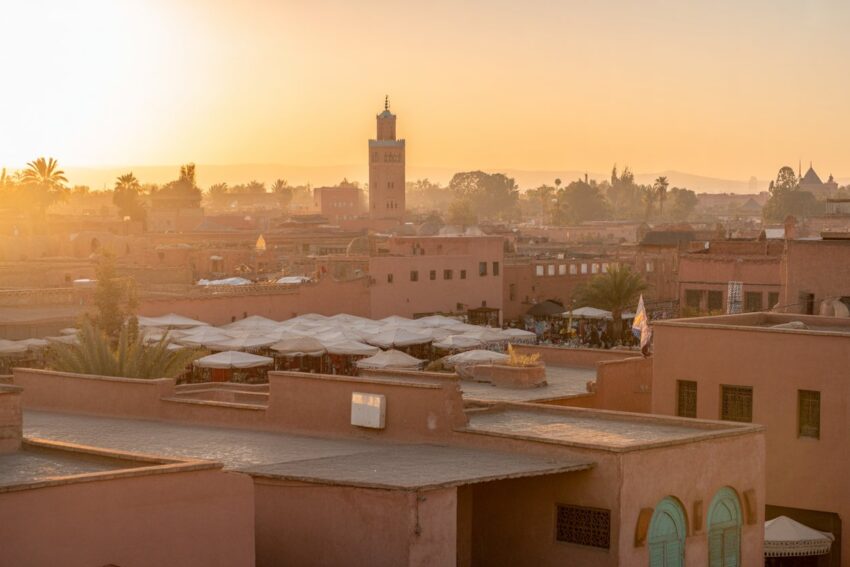
South Africa’s tourism sector posted a 17% increase in visitor numbers in 2025, underlining the country’s status as one of Africa’s premier destinations. From the cosmopolitan allure of Cape Town and Johannesburg to the wild beauty of its national parks, South Africa offers a diverse array of experiences that attract travelers from around the world. The country’s tourism infrastructure, including world-class accommodations and transport networks, has been key to supporting this growth.
Beyond its well-known urban and wildlife offerings, South Africa’s culinary tourism, particularly its renowned wine regions, has been a major draw. The expansion of international flight routes has further fueled this upward trend, ensuring that South Africa remains a top destination on the global tourism map. Despite global challenges, the country’s ability to leverage its rich diversity—both in terms of culture and landscapes—has allowed its tourism sector to continue thriving, cementing its position as a tourism powerhouse in Africa. UN Tourism reported that South Africa saw a steady increase in visitors between January and September 2025.
Tourism Growth and Strategies for 2026
As the global tourism industry continues to rebound in 2025, several countries in Africa and the Middle East have experienced notable increases in tourist arrivals. These countries have capitalized on their cultural, natural, and historical attractions, driving their tourism sectors to new heights. The growth figures from January to September 2025 reflect both the resilience of these nations and their ability to adapt and innovate in a competitive global market. Looking ahead to 2026, these countries are planning further strategies to maintain their tourism momentum. From expanding infrastructure to promoting niche markets like eco-tourism and luxury travel, each nation has crafted tailored plans to enhance visitor experiences and attract even more international tourists.CountryGrowth (Jan-Sep 2025)Tourism Strategy for 2026Egypt+21%Focus on cultural heritage and modern luxury tourism, with an emphasis on the Grand Egyptian Museum and expanding coastal destinations like New Alamein City.Lebanon+22%Enhance marketing campaigns, improve infrastructure, and leverage its Mediterranean coastline to attract more regional and international tourists.Jordan+11%Invest in expanding tourism infrastructure, improve experiences at Petra and Wadi Rum, and promote eco-tourism and adventure tourism for international markets.Angola+30%Develop visa facilitation, increase hotel capacity, and highlight natural landscapes like Kalandula Falls and growing coastal hubs like Luanda.Ethiopia+18%Promote cultural tourism, eco-tourism, and heritage sites like Lalibela. Improve air connectivity and tourism services to attract more visitors from Europe and the U.S.South Africa+17%Strengthen its luxury tourism sector, enhance safari and wildlife experiences, and further develop infrastructure in key regions like Cape Town and the Western Cape wine areas.
This table highlights the growth trends and the strategic plans that each country is undertaking in 2026 to continue their tourism expansion.
Morocco joins Lebanon, Jordan, Egypt, South Africa, Angola, Ethiopia, and other countries in experiencing record tourism growth across the Middle East and Africa, with a surge in arrivals. As they approach 2026, these nations are focusing on expanding infrastructure and diversifying offerings to sustain momentum.
Conclusion
Morocco has joined Lebanon, Jordan, Egypt, South Africa, Angola, Ethiopia, and other countries in experiencing a record surge in tourism growth across the Middle East and Africa. This rapid rise in tourist arrivals reflects a broader trend where countries are capitalizing on their unique cultural, historical, and natural assets to attract global visitors. With strategic investments in infrastructure, enhanced marketing efforts, and an expanding variety of tourism experiences, these nations are positioning themselves to maintain and build on this momentum as they approach 2026. By diversifying their offerings and focusing on sustainable and eco-friendly tourism, they are preparing to meet the growing demands of international travelers and secure their place as leading global destinations in the coming years.
