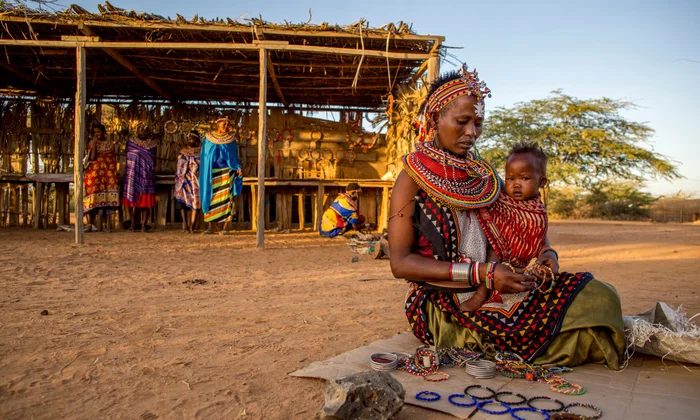
In the arid plains of Samburu and Turkana, a silent crisis is tearing families apart. A Nation investigation has uncovered the harrowing reality of “Ntabuo”—a cultural practice where unmarried women who get pregnant are banished from their villages, labeled as “cursed,” and forced to live in destitution on the fringes of society.
The report profiles the “Manyatta of Shame” near Maralal, a makeshift settlement housing over 200 women and their children. Disowned by their fathers for reducing the family’s dowry prospects and rejected by their lovers, these women survive by burning charcoal and begging.
“I Died the Day I Conceived”
“My father told me I had brought darkness to his boma,” says 19-year-old Naisula, clutching her infant son. “He beat me until I fainted, then dragged me to the road. I have not seen my mother since.”
Culture vs. Constitution: While the practice violates the Constitution and the Children’s Act, local administrators often turn a blind eye, fearing backlash from the powerful Council of Elders. “It is a deep-rooted belief that a child born out of wedlock brings bad omens to the livestock,” explained a local chief, requesting anonymity.
Changing Tides: Civil society groups like the Samburu Girls Foundation are fighting back, rescuing the women and offering vocational training. However, they call for the government to criminalize the eviction of pregnant daughters.
The story shines a spotlight on the collision between ancient traditions and modern human rights, asking difficult questions about the value of a woman’s life beyond her dowry.