Home » Ethiopia News » Coffee and Culture: Jimma Becomes a Must-Visit Destination for Tourists in Ethiopia
Published on
January 4, 2026
Jimma, a city located in the Oromia region in Ethiopia, has seen a significant surge in coffee productivity and export earnings, marking a historic moment for the country’s coffee industry. This boost in coffee production comes as part of nationwide sector reforms that are reshaping both Ethiopian agriculture and its tourism sector. The rise in coffee production in Jimma, known for its coffee-growing regions, is not only transforming the agricultural landscape but also driving growing tourism interest as visitors flock to the area to experience Ethiopia’s coffee culture firsthand.
Ethiopia is widely recognized as the birthplace of coffee, and the country has long been famous for its diverse and flavorful coffee varieties. With coffee now representing one of Ethiopia’s most important export commodities, the sector’s growth is having a direct impact on the country’s economy and its tourism sector. Jimma’s increasing prominence in coffee production has drawn attention to the region, attracting tourists interested in coffee-related experiences and exploring the origins of this beloved beverage.
Jimma’s Coffee Growth and Its Impact on Tourism
Jimma’s significance in the global coffee industry has been growing, and the increase in production is helping solidify its place as a major coffee hub. The city is home to one of the oldest and most renowned coffee-growing areas in Ethiopia, producing some of the finest Arabica beans. As coffee production surges, more tourists are visiting Jimma to learn about the cultivation and processing of coffee and to immerse themselves in the rich coffee heritage of Ethiopia.
The increase in coffee production has also led to a rise in coffee tourism, where visitors come to explore coffee farms, learn about the processing methods, and experience the journey of coffee from bean to cup. Local coffee tours, offered by farms and cooperatives, provide tourists with an opportunity to walk through lush coffee plantations, witness the harvesting process, and taste freshly brewed coffee in a traditional setting. These tours help visitors understand the importance of coffee in Ethiopia’s culture, economy, and daily life.
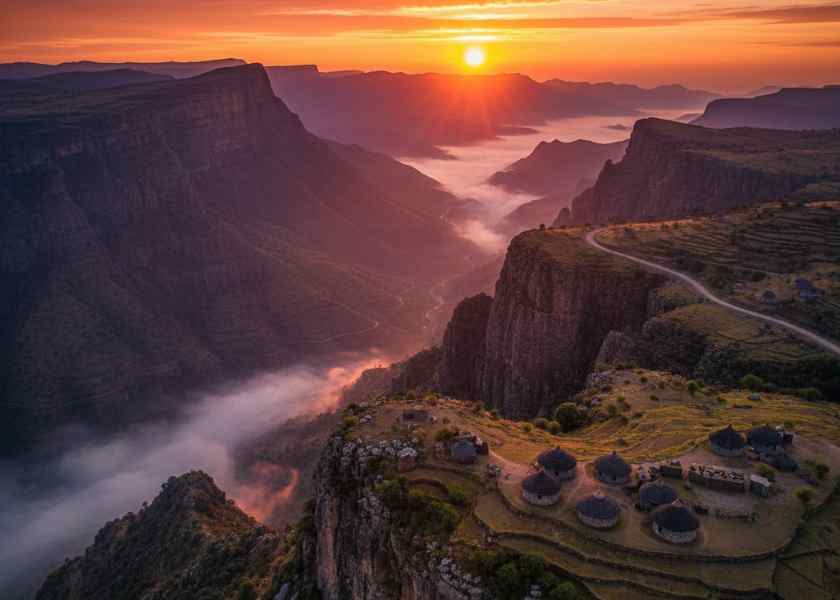
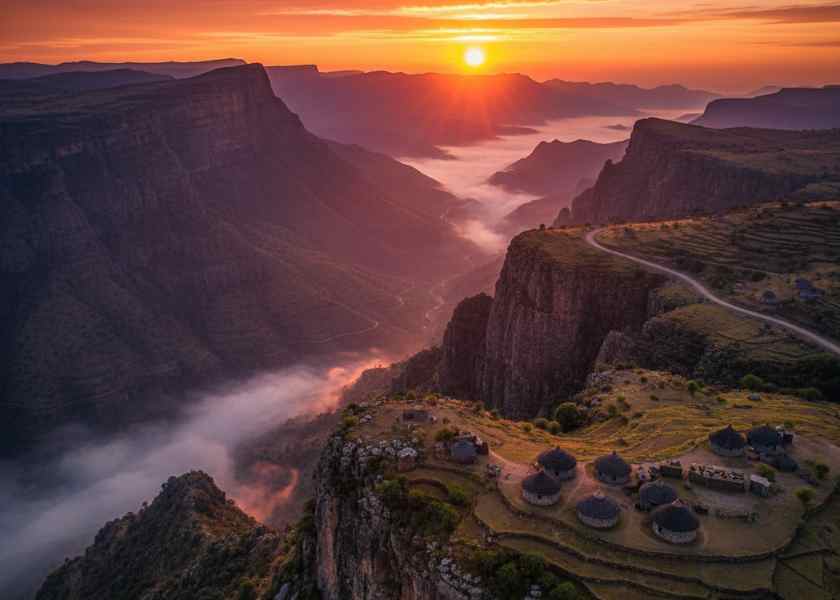
In addition to coffee tours, tourists are also drawn to the region’s scenic beauty. Jimma’s lush landscape, including forests, waterfalls, and rolling hills, offers visitors the chance to explore Ethiopia’s natural wonders. The combination of coffee culture and outdoor activities makes Jimma a unique destination for travelers seeking both cultural and nature-based experiences.
Agricultural Reforms and Tourism Growth
The rise in coffee production and its impact on tourism in Jimma are a result of ongoing agricultural reforms in Ethiopia. These reforms aim to modernize the coffee sector, improve productivity, and enhance sustainability. With new technologies, better farming practices, and improved supply chains, the coffee industry has become more efficient, increasing the availability of high-quality coffee beans for both domestic and international markets.
As Ethiopia’s coffee sector becomes more competitive on the global stage, it is also attracting tourists interested in experiencing the country’s coffee culture, which is deeply rooted in history and tradition. Coffee ceremonies, an important cultural ritual in Ethiopian society, are a key part of the tourism experience. Visitors can witness the traditional method of preparing and serving coffee, which includes roasting beans over an open flame and brewing the coffee in a clay pot. These ceremonies offer tourists a deeper understanding of the social and cultural significance of coffee in Ethiopia.
The growth of the coffee industry is also providing new opportunities for local businesses in Jimma. Restaurants, hotels, and cafes are catering to the influx of tourists, offering specialty coffee drinks and locally grown coffee beans for visitors to take home. This growing demand for coffee tourism is stimulating the local economy, creating job opportunities in both agriculture and hospitality.
Enhancing Infrastructure and Visitor Experience
As Jimma’s coffee tourism continues to gain traction, the local government and businesses are investing in infrastructure to support the growing number of visitors. Roads, transportation services, and tourist accommodations are being developed to accommodate tourists visiting the coffee-growing areas. Guided tours, including visits to coffee cooperatives and processing plants, are available to enhance the visitor experience.
In addition to coffee-related experiences, Jimma and the surrounding region offer a wide range of activities for tourists to enjoy, from hiking in nearby mountain ranges to exploring the vibrant local markets. Tourists can also visit nearby cultural and historical sites, such as the Jimma Museum and Omo Valley, which are important destinations for travelers interested in Ethiopian history and indigenous cultures.
The development of eco-tourism initiatives is another key aspect of Jimma’s tourism growth. Local efforts to preserve the environment and promote responsible travel are attracting eco-conscious tourists who want to enjoy Ethiopia’s natural beauty while supporting sustainable tourism practices.
Looking Ahead: The Future of Coffee Tourism in Jimma
As coffee production in Jimma continues to increase, the city is expected to see more growth in the coffee tourism sector. With more visitors arriving each year to learn about the coffee-making process and enjoy the region’s natural beauty, the tourism industry in Jimma is poised for long-term success. As Ethiopia’s coffee industry continues to modernize and expand, it will remain a central focus for tourism growth, helping to preserve the country’s coffee culture while attracting travelers from all over the world.
Conclusion: Jimma’s Rising Tourism Appeal
The surge in coffee production in Jimma has not only boosted the region’s economy but also brought increased tourism interest to the area. With its rich coffee heritage, beautiful landscapes, and growing infrastructure, Jimma offers a unique opportunity for travelers to experience the roots of Ethiopian coffee culture. As the region continues to develop as a coffee tourism destination, Jimma is set to become an essential stop on any traveler’s itinerary in Ethiopia.
