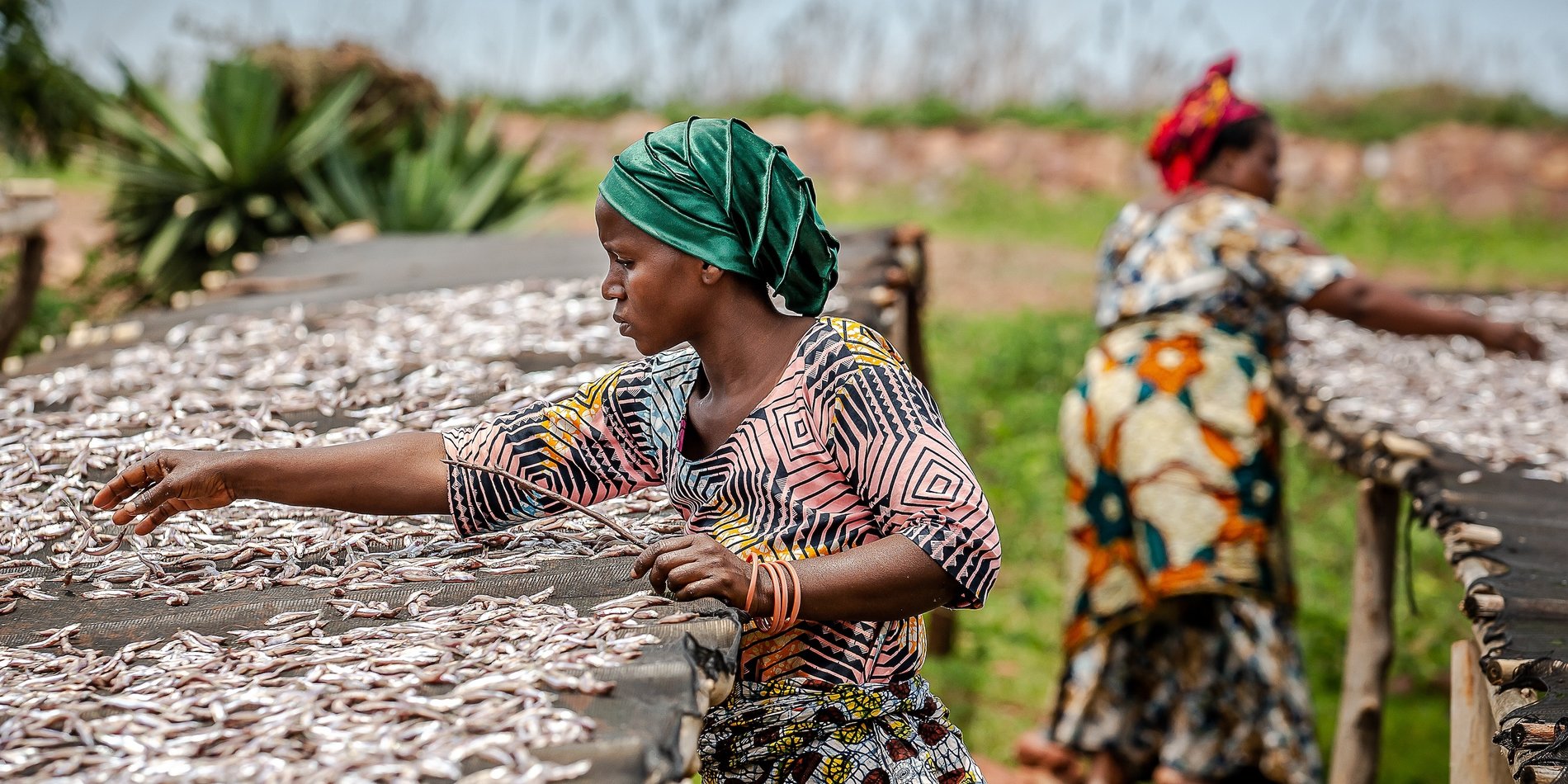
Namibia is advancing climate-smart and inclusive small-scale fisheries development through pioneering post-harvest innovations that empower coastal and riverine communities. Under FAO’s Small-Scale Fisheries Guidelines Phase 2, the country is strengthening value addition, gender equality, and adaptive governance to build resilient, equitable food systems and improve livelihoods across its fishing communities.
The approach was recently showcased at the 19th FAO Subregional Office for Southern Africa Multi-Disciplinary Team (MDT) Meeting, positioning Namibia as a regional leader in sustainable fisheries management.
Empowering Small-Scale Fisheries Amid Climate and Economic Pressures
Small-scale fisheries are central to food security, employment, and nutrition across Southern Africa, yet the sector faces growing pressure from climate variability, declining stocks, and market access challenges. In Namibia, these issues disproportionately affect women who play a vital role in post-harvest processing but often lack access to resources, finance, and decision-making platforms. Recognizing the importance of strengthening gender equity and adaptive capacity, Namibia is investing in community-driven solutions that protect livelihoods while improving the sustainability of aquatic food systems.
Participatory and Gender-Responsive Capacity Building
Through a collaborative effort involving the Ministry of Agriculture, Fisheries, Water, and Land Reform and community-based associations including NAMFISHNET, the initiative uses FAO’s gender-transformative and human rights-based approaches to improve participation and skills in small-scale fisheries. Training sessions introduced climate-smart post-harvest methods, improved hygiene and food safety, and promoted energy-efficient processing practices. A participatory equipment-management model enhanced accountability and collective ownership, while the COM-B behavioural change framework strengthened community leadership and social accountability. Young people and women were particularly prioritized, ensuring equitable access to skills and opportunities aligned with Namibia’s National Plan of Action for Small-Scale Fisheries.
Strengthening Livelihoods and Climate Resilience
The programme has delivered meaningful improvements in fish handling, value addition, food safety, and the working environment for artisanal processors. Forty-five community members — including a majority of women and youth — enhanced their practical skills in processing and seafood hygiene, contributing to safer, higher-quality products and increased market opportunities. Women’s representation in fisheries governance has grown, supported by engagement in national task teams and strengthened organizational structures. Peer-learning exchanges, video storytelling and a Training-of-Trainers model have supported knowledge transfer and encouraged wider uptake of sustainable and climate-resilient practices. These advances illustrate how integrating gender-responsive training and policy support can boost resilience while ensuring fairer distribution of benefits across fisheries communities.
A Scalable Model for Inclusive Fisheries Development
With strong political will and alignment to national priorities, FAO’s “Four Betters,” and the Sustainable Development Goals, Namibia is now refining a clear pathway for expansion. Future efforts will focus on deepening public-private partnerships, improving access to finance and technology for women and youth, and integrating digital tools into extension and capacity-building platforms. Scaling the approach across Namibia’s seven participating regions — Omusati, Oshana, Kavango East, Kavango West, Erongo, Karas, and Zambezi — between 2024 and 2025 is laying the groundwork for regional replication.
By combining inclusive governance, climate-smart practices, and gender-responsive innovation, Namibia is setting the standard for sustainable small-scale fisheries and demonstrating how strengthening local capacity can drive resilient, inclusive growth across aquatic food systems.