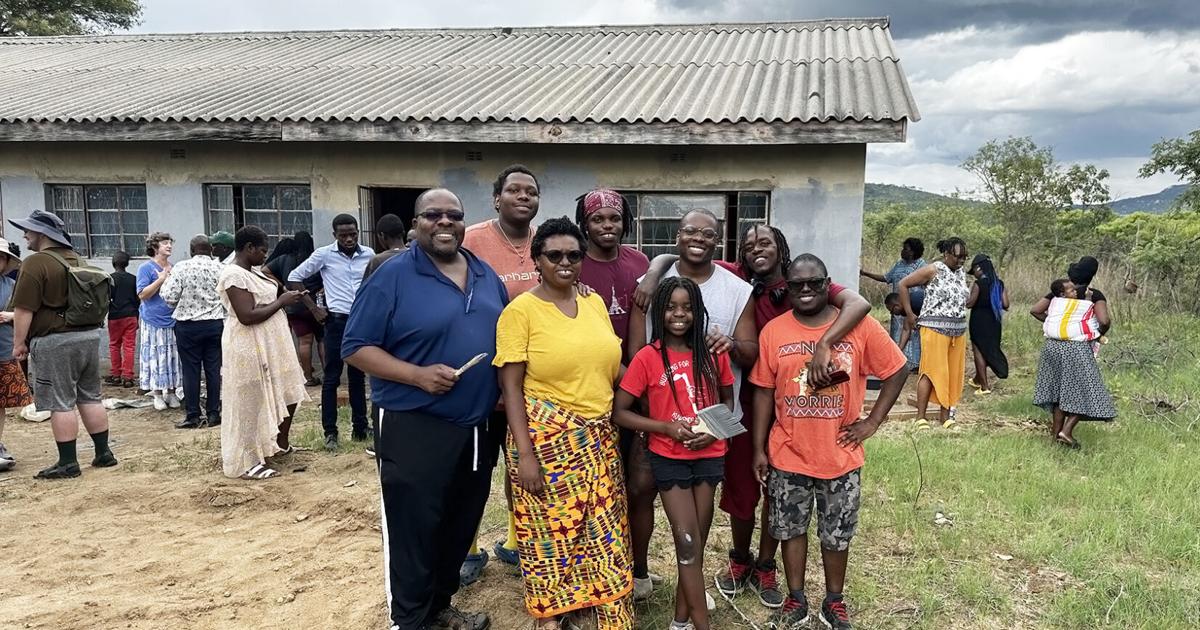
STEVENSVILLE — Farai Rukunda, who grew up in poverty in Zimbabwe, still can’t believe the miracle he is living.
“Here was a little boy who was an orphan in Zimbabwe – Arnoldine Mission – and over the years, he came to the United States,” said Rukunda, who now resides in Stevensville.

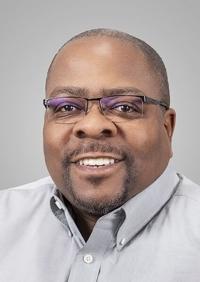
RUKUNDA
Today, he is director of separation science at LECO Corp. in St. Joseph and serves on the boards for the Caring Connection and Fairfield Outreach & Sponsorship Association. In addition, he is the founder of Living Beyond Hope, which seeks to improve the living and educational conditions in his home village, where most of the homes have no electricity or running water.
Ten years ago, he raised money to purchase a system to bring water to the village’s high school. Before that, the students had to walk 3 miles round trip every day to a river to bring back buckets of dirty water for the school to use. Since then, he said he helped raise money for the school to get its own well.
Other projects his nonprofit has helped pay for were to build, refurbish and sustain school buildings, a local church and a health clinic, along with raising money for scholarships so students can go to the university.
Rukunda continues to help his village, Arnoldine Mission, through his nonprofit and his church, Stevensville United Methodist Church.
The church is raising money for a mission trip that runs from July 16-29, where they will fix desks and paint a duplex for the cleaning staff. He said they already built and painted a duplex for the teachers during a previous mission trip.
More information and how to donate can be found on Living Beyond Hope’s Facebook page or on its website at https://livingbeyondh.com.
Rukunda said all of this seemed impossible when at the age of 6 in 1976, his parents were hit and killed by a drunk driver, leaving him and his four sisters as orphans.
He said they were adopted by a white missionary couple, Norman and Winnie Thomas, who had worked in the village before they were forced to leave the country by the government in 1974. He said his mother baby-sat for them in the 1960s and early 1970s, with the two families even living together for a while.
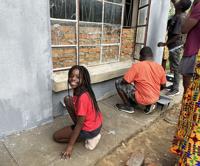
Tafadzwa Rukunda, left, and her brother, Tendai Rukunda, paint teachers’ housing in Arnoldine Mission, Zimbabwe, in December of 2023 when she was 9 years old. They are the children of Farai Rukunda, who grew up in Arnoldine Mission.
Photo provided / Farai Rukunda
Rukunda said the Thomases sent money to an aunt to raise them in Zimbabwe and as each of them graduated from high school, they brought them to the United States to go to college. He said they all settled in America or Canada to raise families.
Rukunda said he organized a mission trip in December of 2023 for himself, his wife and their six children, along with 22 members of his extended family in North America, so they could meet all of the uncles, aunts and cousins still living in Africa.
“My children for the last (nine to 10 years), they witnessed sleepless nights of me raising funds and coming to fundraising events, hearing stories about the Living Beyond Hope project in Africa,” Rukunda said. “But they had never actually physically seen it. For them to be actually physically on the ground and seeing all the work that had been accomplished over the last seven years was very amazing for them.”
He said his children loved the experience.
“It made a difference for them. It helped them to identify who they were because all these years, they grew up in an African home with African parents, and then they spend the rest of their day outside with the American culture,” he said. “… When they finally went to Zimbabwe and got to visit my parent’s graveyard, got to meet their cousins, uncles and aunts, it made a huge difference for them and I really think it changed their life forever.”
He said it was especially impactful to his youngest, who was 9 years old at the time.
“It’s amazing to see how much people can impact other people’s lives,” he said.