Home
»
AFRICA
»
The African Dream is Getting a New Price Tag: Why Your Next Bucket-List Adventure Might Cost Double What You Planned as Prices Skyrocket Across the Continent
Published on
January 3, 2026
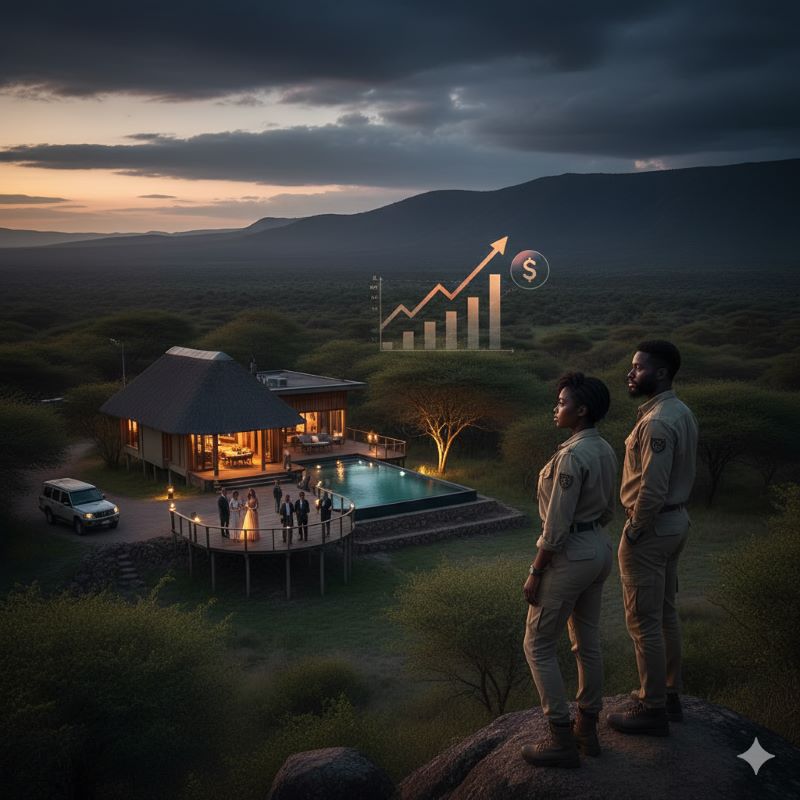
The golden sun dips below the horizon, casting a long shadow over the vast African savannah. You can almost hear the heartbeat of the continent in the rustling grass and distant lion roars. For years, these lands offered a sanctuary for every soul, no matter the size of their wallet. But today, a cold wind of change is blowing through the corridors of luxury hotels. The warmth of African hospitality now carries a heavy price tag that many can no longer afford. Families who once dreamed of seeing the Great Migration now look at booking screens with misty eyes. The “Cradle of Humankind” is becoming a playground for the few, leaving the many behind. It is a bittersweet moment where progress feels like a loss of a shared dream.
South Africa: The Rising Cost of Rainbow Dreams
Statistics South Africa reports a major shift in the tourism sector for 2026. Income from tourist accommodation has risen by over 10% in the last year alone. Hotels are leading this charge with an 18.3% increase in total revenue. While occupancy sits at 57.4%, the cost to stay in premium areas has reached new peaks. The Department of Tourism aims to grow arrivals to 15 million by 2030. However, the surge in luxury rates makes this a challenge for domestic travelers. South Africans are finding themselves priced out of their own beautiful backyard.
Egypt: Ancient Wonders at Modern Prices
The Ministry of Tourism and Antiquities predicts 18.56 million visitors by the end of 2026. This growth is driven by the full opening of the Grand Egyptian Museum. However, high demand has pushed hotel rates in Cairo and the Red Sea to extreme heights. Occupancy in Hurghada and Alexandria frequently touches 95%. Fitch Solutions notes that tourism revenues are expected to hit $17.1 billion this year. Tourists now pay a premium for a view of the Pyramids or the Mediterranean. The government is focusing on high-value cultural tourism to boost the national economy.
Nigeria: Staying Afloat Amidst Inflation
In Nigeria, the Federal Ministry of Tourism faces a complex battle with rising operational costs. Hotel rates have climbed by nearly 40% as businesses struggle with high diesel and energy prices. Branded international hotels in Lagos now charge nearly double what they did last year. Some luxury suites even reach half a million naira per night. Experts say these hikes are a last resort to stay solvent in a tough economy. While tourism receipts are set to reach $12 billion, the average traveler feels the pinch. The cost of food and drinks in hotels has also jumped by 50%.
Kenya: The Price of a Safari Sanctuary
The Kenya Investment Authority highlights the nation as a premier destination for “conscientious” travelers. This focus on sustainability and luxury has led to a surge in lodge prices. The government reports a massive resurgence in international arrivals following the new Electronic Travel Authorization. Digital transformation has made booking easier, but prices in the Maasai Mara have soared. High-end eco-resorts now cater to a global elite willing to pay for exclusivity. The MICE sector is also booming, driving up hotel rates in Nairobi’s business districts.
Zambia: The Livingstone Luxury Leap
Zambia’s Ministry of Tourism has secured bids for three major African conferences in 2026. These events are expected to bring over 2,000 international delegates to Livingstone. This “MICE” boom accounts for up to 80% of hotel occupancy in key areas. As demand spikes, room prices in the home of Victoria Falls have reached record levels. The government sees this as a vote of confidence in Zambia’s capacity. Yet, the price jump makes it harder for regional tourists to witness the “Smoke that Thunders.”
Ghana: Cultivating High-Value Heritage
The Ministry of Tourism, Arts and Culture is implementing its 2023-2026 Development Plan. Ghana is working to lengthen tourist stays and increase spending per visitor. Infrastructure upgrades at sites like the Aburi Botanical Gardens are attracting more premium travelers. Accommodation facilities are being expanded, but the focus is on high-quality “tourism plants.” This strategy aims to maximize benefits for the national economy. Consequently, budget-friendly options in the capital, Accra, are becoming increasingly scarce.
Tanzania: A Record-Breaking Revenue Push
Tanzania recorded a stunning 5.36 million tourist arrivals in the past year. The Ministry of Natural Resources and Tourism reports $4 billion in revenue. However, the government has a challenging target of $6 billion by the end of 2025. To reach this goal, there is a strong push to increase the average spend per tourist. Prices for stays near Serengeti and Zanzibar beaches have risen sharply. While arrivals exceed expectations, the rising cost of operations remains a hurdle. Tanzania is now competing as a top-tier global luxury destination.
Morocco: Chasing the 20 Million Mark
Morocco’s Ministry of Tourism is nearing its goal of 20 million annual arrivals. The new strategic roadmap for 2023-2026 has already generated record foreign exchange. Connectivity is expanding with 80 new airline routes launched in the last year. Investment programs like “Cap Hospitality” are supporting hotel renovations across 14,000 rooms. As Morocco prepares for the 2030 World Cup, hotel capacity is being stretched. Prices in Marrakech and Casablanca have climbed as the country cements its status as a global hub.
Rwanda: The High-End Hub of Africa
The Rwanda Development Board (RDB) is aggressively promoting “high-value, low-impact” tourism. New luxury hotel strips are planned for the beachfront of the Rubavu district. Exclusive eco-lodges in Akagera and Volcanoes National Park command some of the highest rates in Africa. Rwanda focuses on providing a world-class experience through strict regulation and quality control. This ensures a “multi-purpose” venue for year-round events and wealthy travelers. The result is a thriving sector that contributes heavily to community development and conservation.
The Future of African Travel
The surge in hotel prices across these nine nations marks a turning point for the continent. From a tourism pov, this will boost national economies and create millions of jobs. It allows governments to invest in better roads, airports, and conservation. High-end travelers bring in the foreign currency needed for growth. However, there is a risk of losing the “adventure” spirit that once defined Africa. If budget options vanish, the continent may become a gated paradise for the wealthy. The challenge for 2026 will be balancing this new wealth with the need for accessibility.
The campfire crackles as the stars emerge over the Rwandan hills, a silent witness to a changing world. You realize that while the prices have climbed, the magic of the land remains priceless. The guide shares stories of how tourism has built the new school in his village. You see the pride in his eyes as he talks about the future. Africa is no longer just a dream; it is a powerhouse of growth and ambition. The journey may cost more today, but the memories still carry the weight of a lifetime. We must protect this balance so the soul of Africa stays open to everyone. Even as the heights grow taller, the spirit of “Ubuntu” must never be priced out of reach.
