South Africa has declared a national disaster as weeks of torrential rain and widespread flooding have killed dozens, destroyed homes and forced large-scale evacuations across the country’s northeastern provinces. Elias Sithole, head of the National Disaster Management Centre, made the declaration to enable the national government to coordinate a stepped-up, cross-provincial response.
Officials report at least 30 confirmed deaths concentrated in Limpopo and Mpumalanga provinces, with search-and-rescue teams continuing operations amid expectations that the toll could rise. The event is regional in scope: heavy rains since late last year have affected parts of South Africa as well as neighbouring Mozambique and Zimbabwe, with more than 100 fatalities recorded across the three countries and extensive displacement.
Mozambique has been severely affected. The Mozambican government reported that more than 173,000 people had been impacted by floods nationwide. South African rescue teams were dispatched into southern Mozambique after a vehicle carrying five members of a South African mayoral delegation was swept away in Chókwè, roughly 200 kilometres north of Maputo. Cross-border flooding and disrupted transport links have underscored the transnational nature of the crisis and the need for regional coordination.
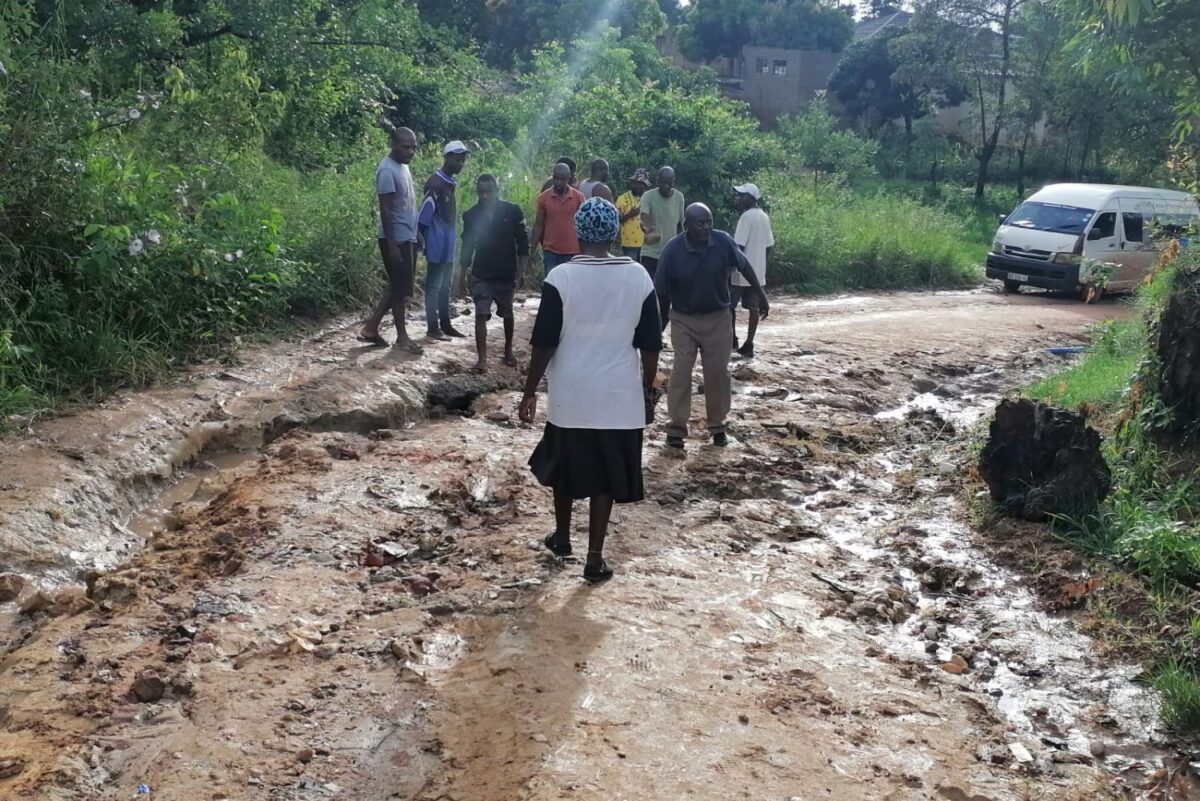
The floods have washed away roads and bridges and damaged or destroyed thousands of homes. The premier of Limpopo province estimated damage in that province at roughly $240 million, saying many houses and buildings had been swept away. Rivers in several districts burst their banks and inundated neighbourhoods, compounding the challenge of locating missing people and delivering relief where it is most needed.
The emergency has also hit South Africa’s tourism infrastructure. Kruger National Park was temporarily closed after camps and roads were flooded; hundreds of tourists and staff were evacuated from inundated facilities and moved to other parts of the park. The closure highlights how a single extreme-weather event can ripple through local economies that depend on tourism and conservation, with short-term displacement translating into longer-term financial strain for communities.
 AI-generated illustration
The Ministry of Cooperative Governance and Traditional Affairs said at least three other provinces had also been affected, reinforcing government assessments that the scale of damage and displacement required a national-level response. The declaration gives the central government authority to coordinate resources, logistics and relief across provincial lines, facilitating evacuations, sheltering, debris clearance, road and bridge repairs, and extended search-and-recovery operations.
Civil-society organisations on the ground have warned that missing-person reports and displacement figures may increase in the coming days as floodwaters recede and teams access more remote areas. Recovery operations are already shifting from immediate lifesaving work toward damage assessment, clearing infrastructure and preparing for reconstruction needs.
The current disaster fits into a pattern of increasingly severe rainfall events across southern Africa in recent years. South Africa experienced more than 100 deaths in the Eastern Cape during floods last year and over 400 deaths in KwaZulu‑Natal province in 2022, exposing persistent vulnerabilities in infrastructure planning, early warning systems and cross-border emergency cooperation. As the waters begin to withdraw, officials face the twin tasks of accounting for the missing and shaping a reconstruction agenda with resilience to future extreme weather events at its centre.