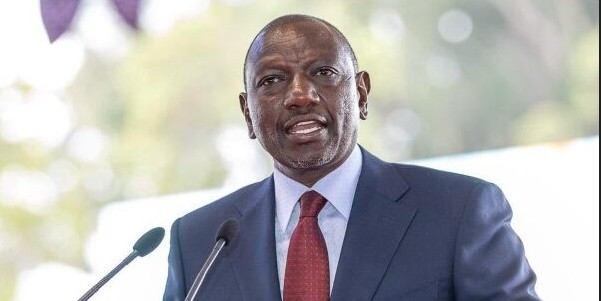
Following two tumultuous years marked by street protests and digital revolts in parts of East Africa, including Kenya and Tanzania, regional heads of state have struck a similar appeasing tone, seeking to engage youths through economic and social initiatives.
The Eastleigh Voice outlines the messages presidents delivered in their New Year’s addresses to their young populations.
William Ruto
President William Ruto, who endured turbulent Gen Z protests in 2024 and 2025, sparked by rising taxes and the high cost of living, maintains that 2026 will mark the year his administration transforms Kenya through progressive and radical policies.
During his address at Eldoret State Lodge, he zeroed in on drug and alcohol abuse, lamenting how the menace was crushing the country’s most productive population. Moving forward, Ruto said he seeks to unveil a whole‑of‑government approach to contain the situation.
“While we have undertaken deliberate policy interventions to create employment under the Bottom‑Up Economic Transformation Agenda, too many of our young people, especially those entering the job market, still wake up every morning without work to go to. This is the reality we are determined to change,” said Ruto.
According to Ruto, to cut the number of Kenyans living below the poverty line by half and to lift millions into dignity and opportunity, his administration will ensure that unemployment is reduced by half.
Paul Kagame
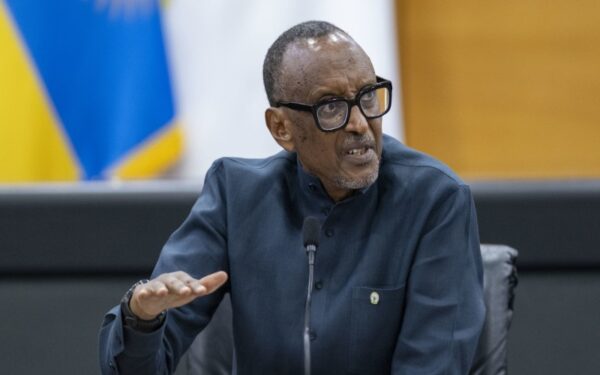 President Kagame speaks to journalists at Urugwiro Village on Thursday, November 27. (Photo: The New Times)
At the Kigali Convention Centre, President Paul Kagame of Rwanda, on the other hand, spoke passionately to the country’s youths, who he said make up about 75 per cent of the population.
Kagame described them as the country’s greatest strength and urged them to anchor that strength in values and productive work.
“Having such a young population is an immense source of strength. But you cannot build Rwanda without building yourself first,” he said, encouraging young people to focus on personal development as the foundation for national progress.
Kagame also cautioned against alcohol abuse and reckless behaviour, particularly drinking and driving, warning that a morally compromised youth would ultimately weaken the country.
Samiah Suluhu
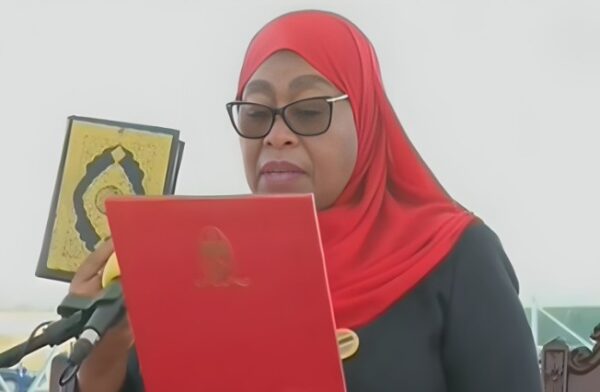 Samia Suluhu Hassan takes oath as Tanzania’s president for a second term on Monday, October 3, 2025. (Screengrab)
When President Samia Suluhu Hassan addressed Tanzanians on the final evening of 2025 from Tunguu, Zanzibar, the country was emerging from a year marked by both progress and strain.
There had been economic recovery, but also drought, flooding, and political tension. For many families, the year’s end was less about celebration and more about quiet assessment of what had been endured and what might come next.
It was in this context that Samia’s message found its tone. Rather than dramatic promises or sweeping rhetoric, she spoke in the language of steadiness. Inflation, she noted, had been kept low.
Her speech also recognised the emotional weight of the past year, where hundreds of youths lost their lives in the election crisis.
The announcement that the government is moving towards establishing a national reconciliation commission carried particular significance. It suggested a willingness to listen, to lower political tensions, and to accept that unity is not automatic; it must be built.
This emphasis on unity ran through the address. Samia acknowledged that disagreement is part of democracy but warned against allowing political differences to erode social cohesion.
Yoweri Museveni
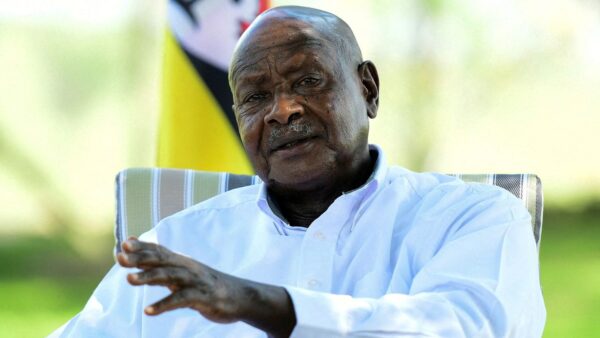 Uganda President Yoweri Museveni in a past interview. (Photo: Handout)
Ugandan President Yoweri Museveni, who is seeking reelection, cautioned the youth against taking part in street protests.
Museveni criticised the country’s opposition for what he described as attempts to import unrest into Uganda, accusing them of relying on crowds and funding from outside the country to destabilise the nation.
Speaking at Nakasero State Lodge on December 31, 2025, he said Uganda narrowly avoided protests similar to Kenya’s Gen Z‑led demonstrations witnessed in 2024 and 2025, noting that decisive action by security agencies prevented the situation from escalating.
The long-serving president said preventing unrest called for a collective national response, supported by decisive action from the police and intelligence agencies to thwart what he described as organised efforts to undermine his government.
Museveni has been wooing Uganda’s youth to actively take part in agricultural practices, noting that their difficulties with household income may not always be resolved by requesting roads, electricity, and hospitals.
“You need to work to kick poverty out of your homes. The government can develop the country by offering better services like roads, electricity, and hospitals, among other infrastructure, but it cannot put food on your table or create wealth for you,” Museveni told youths on September 20, 2025, during the Bunyoro Youth Empowerment Symposium in Masindi.