Home » AFRICA » Egypt Beats Morocco, South Africa, Kenya, Mauritius, And Tanzania In Africa’s Unprecedented Tourism Surge, Driving Record Revenue Growth With Sustainable Travel Rules And Eased Restrictions For Travelers
Published on
January 19, 2026
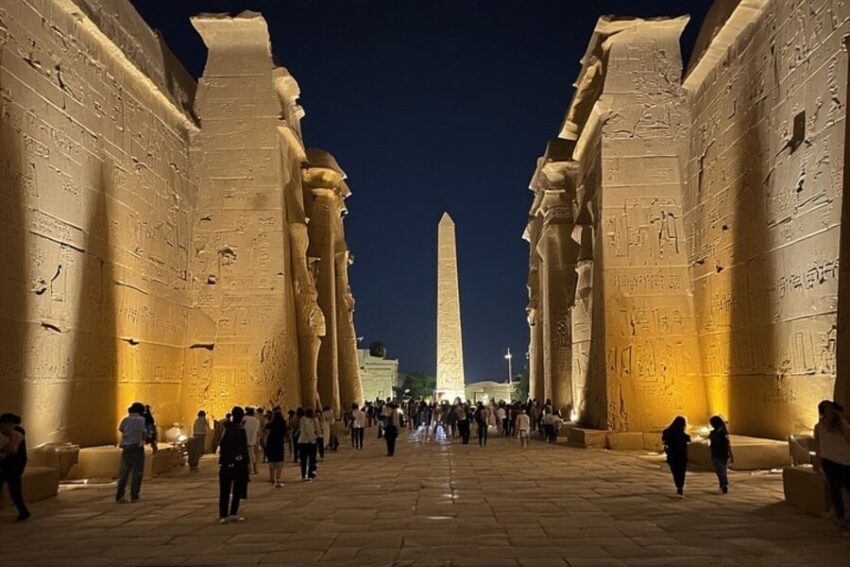
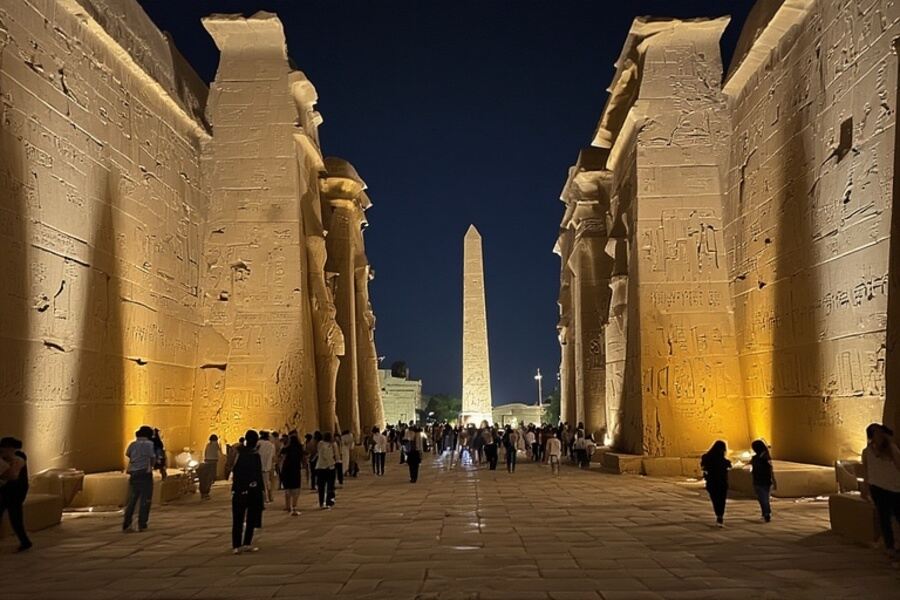
Egypt has emerged as the undisputed leader in Africa’s unprecedented tourism surge in 2025, surpassing key competitors like Morocco, South Africa, Kenya, Mauritius, and Tanzania. This record-breaking growth is largely driven by the country’s robust recovery from the pandemic, strategic policies promoting sustainable travel, and the easing of travel restrictions. As a result, Egypt not only saw a significant increase in international arrivals but also recorded a remarkable rise in tourism revenue, solidifying its position as Africa’s premier travel destination and paving the way for long-term, sustainable growth in the industry. In 2025, Egypt achieved a stunning 21% growth in tourist arrivals, welcoming 19 million international visitors, outpacing its competitors, including Morocco and South Africa. This remarkable achievement is attributed to Egypt’s strategic investments in tourism infrastructure, enhanced connectivity with international airlines, and a growing focus on sustainability. The newly opened Grand Egyptian Museum, along with iconic destinations like the Red Sea resorts in Sharm El-Sheikh and Hurghada, has further boosted Egypt’s appeal. These developments, combined with the country’s efforts to position itself as an eco-friendly destination, have drawn travelers from all corners of the globe, ensuring Egypt’s place as the leader in Africa’s tourism boom.
In 2025, Egypt has set a remarkable precedent by surpassing its competitors, including Morocco, South Africa, Mauritius, Kenya, and Tanzania, in what has been a record-breaking year for African tourism. With the rapid recovery of the tourism sector after the challenges of the pandemic, Egypt’s remarkable growth in both international arrivals and revenue has positioned it as the continent’s undisputed leader in tourism, setting new records and laying the foundation for long-term sustainable growth. This impressive achievement comes alongside the continent’s overarching tourism boom, driven by strategic policies, sustainable travel rules, and the easing of travel restrictions.
In this article, we will explore how Egypt’s rise to the top of Africa’s tourism sector compares to other leading countries, highlighting the key factors behind its success and how the tourism industry across Africa is transforming.
Egypt’s Skyrocketing Growth in 2025: The Numbers Speak for Themselves
Egypt’s tourism industry has surpassed expectations, achieving a remarkable 21% growth in tourist arrivals over the previous year. The country recorded 19 million international visitors in 2025, outpacing Morocco’s 19.8 million and continuing to maintain its position as Africa’s leading tourism destination. This growth is primarily attributed to Egypt’s enhanced international connectivity, a thriving tourism product, and increased efforts to position the country as an eco-friendly and sustainable destination for international travelers.
Advertisement
Advertisement
The key to Egypt’s success lies in strong partnerships with major international airlines, such as Royal Air Maroc and Ryanair, expanding flight routes from Europe, Asia, and North America. This connectivity, alongside Egypt’s newly inaugurated Grand Egyptian Museum, has helped the country attract more global visitors than ever before. Additionally, Egypt’s famous Red Sea resorts like Sharm El-Sheikh and Hurghada continue to be a major draw for beach lovers and divers.
Morocco: Africa’s Strong Contender
While Egypt has surpassed Morocco in overall tourist arrivals in 2025, Morocco remains a formidable player in Africa’s tourism market. With 19.8 million tourists visiting in 2025, Morocco has recorded a 14% increase from the previous year, further cementing its position as one of Africa’s most popular travel destinations. The historic growth in tourist arrivals is largely due to Morocco’s diverse tourism offerings and strategic investments in sustainable travel practices.
The Tourism Ministry of Morocco attributed its success to a comprehensive strategy aimed at enhancing the quality of tourism infrastructure, improving air connectivity, and promoting its rich cultural heritage, from the ancient medinas of Fez to the world-famous Sahara Desert. Moreover, Morocco has prioritized sustainable tourism, implementing eco-friendly policies in key destinations to attract environmentally conscious travelers.
Furthermore, Morocco’s Royal Air Maroc expanded its network to new destinations in the U.S. and China, opening up the country to millions of new travelers, while its collaboration with Ryanair has made travel more accessible across Europe. The Africa Cup of Nations (AFCON), hosted in Morocco from December 2025 to January 2026, was also a major boost, bringing tens of thousands of football fans to the country.
South Africa: A Resilient Leader in African Tourism
South Africa, a cornerstone of African tourism, has maintained solid growth in 2025, recording over 8 million international arrivals, an estimated 17–18% increase over the previous year. As the country with one of the most well-established tourism sectors in Africa, South Africa’s tourism industry is proving resilient despite global challenges. With its world-renowned destinations such as Cape Town, Kruger National Park, and the Winelands, the country continues to attract visitors for a range of experiences from luxury safaris to adventurous road trips.
South Africa’s success can be attributed to the nation’s efforts to rebuild its tourism infrastructure post-pandemic, alongside the government’s focus on sustainability in tourism. The country’s efforts to reduce its carbon footprint and adopt eco-friendly policies have drawn an increasing number of green-conscious travelers to its vibrant cities and natural wonders. South Africa is also benefiting from a growing domestic tourism market, as locals rediscover the beauty and culture of their own country.
With the FIFA World Cup 2026 on the horizon, South Africa is positioned to continue its growth trajectory and solidify its reputation as one of Africa’s leading destinations for international events and tourism.
Mauritius: A Hidden Gem in the Indian Ocean
The Indian Ocean island of Mauritius has long been a favorite destination for those seeking idyllic beaches, luxury resorts, and adventure. With approximately 1.44 million international arrivals in 2025, the country recorded a 3.9% increase over the previous year. This is particularly significant given Mauritius’s small size, yet it continues to punch above its weight in the global tourism market.
Mauritius’s popularity is largely driven by its reputation for providing luxurious, sustainable, and environmentally-friendly tourism experiences. With a focus on green tourism, the country is prioritizing eco-resorts, sustainable water sports, and wildlife conservation as part of its long-term tourism strategy. Visitors are drawn to Mauritius not only for its stunning beaches but also for its mountain landscapes, rainforests, and cultural heritage.
Kenya and Tanzania: Pioneers of Safari Tourism in Africa
In East Africa, both Kenya and Tanzania have capitalized on their world-famous safari tourism offerings. Kenya welcomed over 2.4 million international visitors in 2025, while Tanzania, with its iconic Serengeti National Park and Mount Kilimanjaro, continues to attract nature lovers from all corners of the globe.
The two countries have recorded a steady increase in tourism numbers, driven by improved infrastructure and sustainable tourism practices that promote conservation and eco-tourism. Kenya’s focus on community-based tourism has brought local tribes and conservation areas into the tourism fold, offering tourists authentic experiences while benefiting local communities. Similarly, Tanzania’s robust approach to sustainable safari tourism is gaining recognition worldwide, as it invests in responsible travel and preservation of its diverse wildlife and ecosystems.
Both nations are poised for future growth, as they continue to tap into the demand for eco-conscious safaris and immersive cultural experiences in their vast wilderness areas.
The Sustainable Travel Movement Across Africa
A key element of Africa’s tourism growth in 2025 has been the focus on sustainable travel. As global travelers increasingly prioritize eco-friendly vacations, many African countries have adjusted their tourism strategies to align with the demand for green tourism.
Countries like Egypt, Morocco, South Africa, Kenya, and Tanzania have embraced sustainable travel policies that focus on reducing carbon emissions, promoting eco-friendly accommodations, and supporting local communities. Eco-lodges and green resorts have popped up across the continent, offering tourists authentic experiences while minimizing environmental impact. Additionally, many African countries have worked to conserve their natural resources through national parks, wildlife sanctuaries, and marine protection zones.
As global sustainability initiatives gain momentum, Africa’s tourism industry is perfectly positioned to meet these challenges and become a leading example of responsible travel.
Relaxed Travel Restrictions and Improved Connectivity
The easing of travel restrictions across Africa has played a pivotal role in the continent’s tourism boom. The COVID-19 pandemic had a profound impact on global travel, but in 2025, the reduction in restrictions and the reopening of borders have helped tourism rebound to pre-pandemic levels. Egypt, Morocco, and South Africa have been among the first countries to lead the charge in reopening their borders to travelers from all over the world.
Air connectivity has also significantly improved, with new flight routes, increased airline partnerships, and expanded services from international carriers. Direct flights to key African destinations have made it easier for tourists from North America, Europe, and Asia to visit the continent, further fueling the tourism boom.
The Road Ahead: Ambitious Goals for 2030 and Beyond
Both Egypt and Morocco have set ambitious goals for the future, targeting 20–30 million international arrivals annually by 2030. Egypt is particularly focused on the FIFA World Cup 2026, which will be co-hosted by Morocco, Spain, and Portugal, while Morocco’s investments in sustainable tourism infrastructure are expected to pay dividends in the coming years. Similarly, Kenya and Tanzania aim to capitalize on the global rise in eco-tourism, with a focus on preserving their unique ecosystems and wildlife heritage.
As African countries continue to revitalize their tourism sectors, it is clear that the continent is poised to become one of the world’s leading tourism destinations. With sustainable travel practices, strategic investments, and eased travel barriers, Africa’s tourism industry is on track for unprecedented growth in the years ahead.
The tourism boom in Africa in 2025 marks a turning point for the continent’s economy and global standing. Egypt’s success in overtaking Morocco and others reflects the continent’s ability to evolve with changing global demands for sustainable, eco-friendly travel. As air connectivity improves and travel restrictions ease, Africa is set to become a tourism powerhouse, offering diverse, authentic experiences that appeal to travelers from all walks of life.
Egypt has surpassed Morocco, South Africa, Kenya, Mauritius, and Tanzania in Africa’s unprecedented tourism surge, driven by a 21% increase in international arrivals, sustainable travel initiatives, and eased travel restrictions. These factors have propelled Egypt to record-breaking revenue growth and solidified its leadership in the continent’s tourism sector.
As Egypt leads the charge, Morocco, South Africa, and the rest of Africa are following suit, creating a new era of tourism that balances growth with sustainability, culture with adventure, and luxury with environmental responsibility. The future of African tourism has never looked brighter.
