A NOTE FROM THE PUBLISHER:
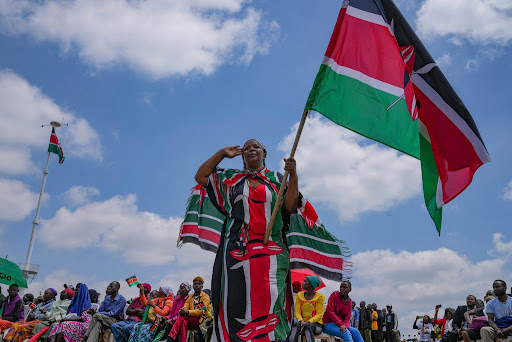
This article continues our salute to the independence anniversary of African nations. This acknowledges our respect and appreciation of our brothers and sisters among us as we work together to build better lives.
Kenya’s road to independence was shaped by centuries of global contact and decades of colonial rule. Coastal trade centers like Mombasa connected East Africa to Asia and the Middle East as early as the 2nd century, giving rise to the Swahili people and culture. After the Portuguese and Omani periods, Britain established the East Africa Protectorate in 1895, later making it the Colony of Kenya in 1920.
British settlement, land seizures, and political restrictions fueled growing resistance among Kenyans. Tensions erupted in 1952 with the Mau Mau Uprising, a militant rebellion demanding land and freedom. The brutal conflict, combined with rising political pressure, forced Britain to begin constitutional reforms. By the early 1960s, Kenyan leaders, including Jomo Kenyatta of the Kenya African National Union (KANU), negotiated for majority rule. Kenya achieved internal self-government on June 1, 1963, and full independence on December 12, 1963. Kenyatta became the nation’s first prime minister and later its founding president.
Related