Lucy Ethiopian Café brings ancient traditions and bold flavors to Boston
Owner Netsanet Woldesenbet celebrates Ethiopia’s rich culinary heritage — from the ancient origins of injera bread to the communal spirit of every shared meal
FRENCH CREPE, BUT SPONGY AND WITH THE TRADEMARK TANG OF SOURDOUGH. THIS IS INJERA BREAD, A STAPLE IN ETHIOPIA THAT’S BELIEVED TO DATE BACK THOUSANDS OF YEARS. WHEN YOU GO TO ETHIOPIA AND RESTAURANT, WE DON’T ORDER INJERA, YOU ORDER DORO, WHICH IS CHICKEN OR MISTER FOR VEGETABLE THAT COMES AUTOMATICALLY WITH INJERA FROM ADDIS ABABA, ETHIOPIA’S CAPITAL CITY. NETSANET WILDA SABET OWNS LUCY ETHIOPIAN CAFE IN BOSTON. HERE, ANCIENT ORIGINS AND ETHIOPIAN PRIDE ARE CELEBRATED. THE NAME, FOR EXAMPLE, HONORS THE MORE THAN 3 MILLION YEAR OLD HOMININ FOSSIL CALLED LUCY, FOUND IN ETHIOPIA IN 1974, BUT HER NAME IS DINKNESH OR ETHIOPIAN NAME IS DINKNESH, MEANING YOU ARE MARVELOUS. AND ON THE MENU IS A MARVELOUS ARRAY OF FLAVORFUL STEWS. YELLOW SPLIT PEA, RED LENTIL, POTATO MEAT IS SERVED TWO. BUT NOTICE THE BIG FOCUS ON VEGGIES. A LOT OF ETHIOPIANS ARE CHRISTIANS, SO WE HAVE FASTING SEASON. SO DURING THAT PERIOD WE ONLY EAT VEGAN DISHES AND NOTICE WHAT THE STEWS ARE PLATED ON. THAT INJERA IS UTENSIL YOUR PLATE. IT IS A LONG PROCESS TO MAKE INJERA BATTER. IT IS FERMENTED. IT’S A 2 OR 3 DAYS FERMENTED BATTER. IT’S MADE WITH FLOUR FROM THE SEEDS OF A NATIVE GRAIN FROM ETHIOPIA CALLED TEFF. IT’S TEENY TINY. THE SMALLEST SEED IN THE WORLD. IT’S LIKE SAND, NETSANET SAYS. PROOF OF QUALITY IN GERA IS IN THE TEXTURE. IF IT DOESN’T LOOK RIGHT, MANY WILL DISCARD IT. THE BUBBLES ARE THE EYES. IT’S CALLED ISIS. AND SOME PEOPLE, IF IT DOESN’T HAVE THE BUBBLES, THAT’S NOT GOOD. THEY DON’T EAT IT. NO, THEY DON’T. I LEARNED QUICKLY THERE IS AN EATING ETIQUETTE THAT’S IMPORTANT. TRY NOT TO TOUCH THE STEW WITH YOUR FINGERS. SO THE INJERA DOES EVERYTHING. SO YOU JUST SCOOP THE SAUCE. TRY NOT TO TOUCH YOUR FINGER INTO YOUR MOUTH AND JUST DROP IT. THERE YOU GO. GOOD JOB. PROBABLY TERRIBLE TABLE MANNERS. SO THAT’S THE SPICY LENTILS. IT HAS A LITTLE SPICE. IT’S DELICIOUS. PERFECT. THE ENTIRE PROCESS IS FUN. COMMUNAL, ENCOURAGING CONNECTION. YOU KNOW, YOU EAT WITH CLOSE FRIENDS OR FAMILIES, YOU KNOW, BECAUSE YOU COULD GET MESSY. THAT MEANS WE’RE CLOSE FRIENDS NOW, CORRECT? YES. WE’VE EATEN TOGETHER. AND INJERA CAN BE MADE GLUTEN FREE. YEAH, THERE IS N
Lucy Ethiopian Café brings ancient traditions and bold flavors to Boston
Owner Netsanet Woldesenbet celebrates Ethiopia’s rich culinary heritage — from the ancient origins of injera bread to the communal spirit of every shared meal

Updated: 8:39 PM EST Jan 20, 2026
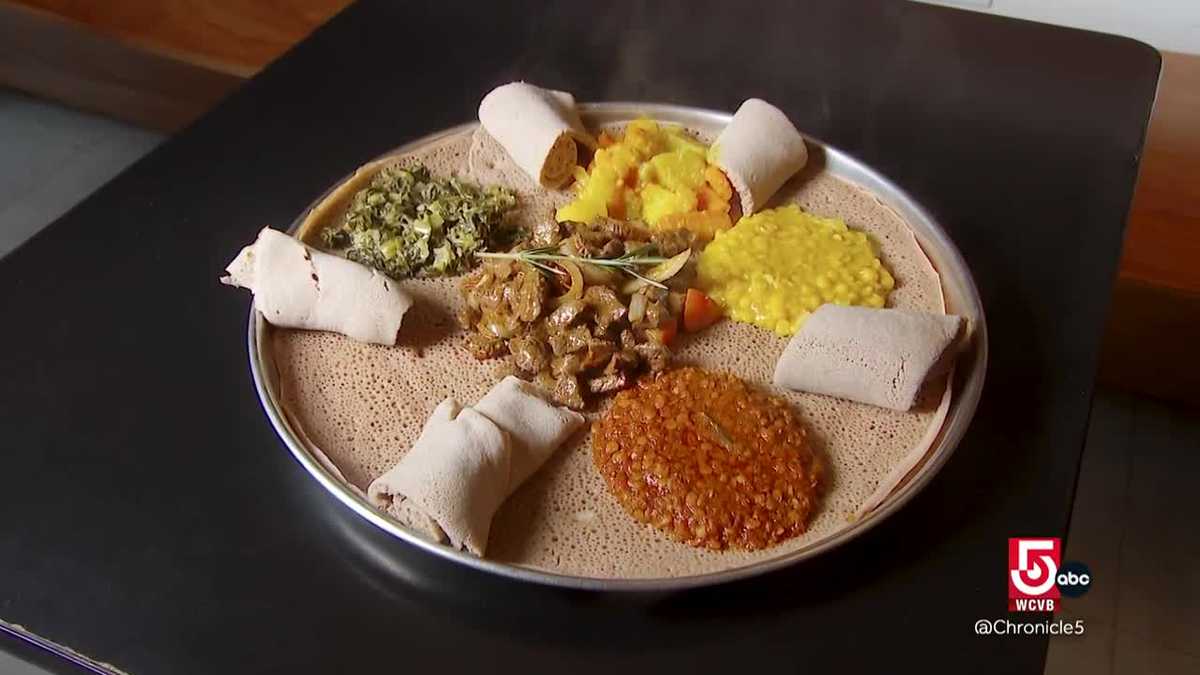
Reminiscent of a delicate French crêpe — but with a spongier texture and the tang of sourdough — injera is a staple of Ethiopian cuisine, believed to date back thousands of years. Made from a native grain called teff, injera isn’t just bread — it’s history on a plate.”When you order at an Ethiopian restaurant, you don’t order injera,” explains Netsanet Woldesenbet, co-owner of Lucy Ethiopian Café in Boston. “You order, for example, doro, which is chicken, or misir for vegetables — that comes automatically with injera.”The menu features a vibrant array of flavorful stews — yellow split pea, red lentil, and potato — alongside traditional meat dishes. But there’s also a big focus on vegetables. “A lot of Ethiopians are Christians,” she says. “During fasting season, we only eat vegan dishes.”Injera is central to Ethiopian cuisine. It’s both the utensil and the plate, absorbing the rich flavors of stews and sauces.
Reminiscent of a delicate French crêpe — but with a spongier texture and the tang of sourdough — injera is a staple of Ethiopian cuisine, believed to date back thousands of years. Made from a native grain called teff, injera isn’t just bread — it’s history on a plate.
“When you order at an Ethiopian restaurant, you don’t order injera,” explains Netsanet Woldesenbet, co-owner of Lucy Ethiopian Café in Boston. “You order, for example, doro, which is chicken, or misir for vegetables — that comes automatically with injera.”
The menu features a vibrant array of flavorful stews — yellow split pea, red lentil, and potato — alongside traditional meat dishes. But there’s also a big focus on vegetables. “A lot of Ethiopians are Christians,” she says. “During fasting season, we only eat vegan dishes.”
Injera is central to Ethiopian cuisine. It’s both the utensil and the plate, absorbing the rich flavors of stews and sauces.