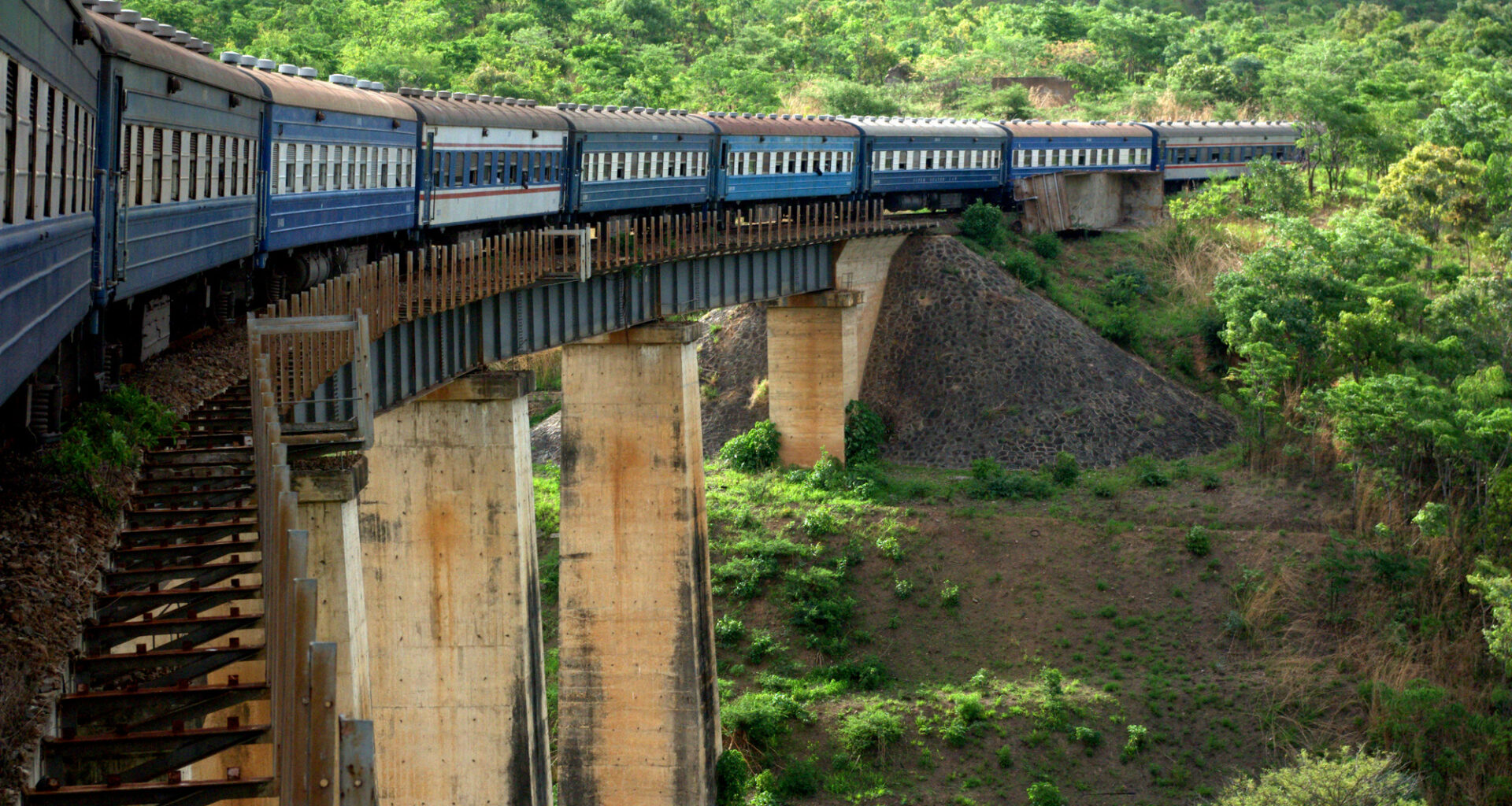
Cross-border passenger train services between Tanzania and Zambia are set to resume from 10 February 2026, according to an announcement by the Tanzania-Zambia Railway Authority (TAZARA).
Rail services between the East African and South-Central African neighbours have been disrupted due to operational and technical problems since June 2024 on the 1,860-km-long, single-track line built by one of the largest Chinese foreign aid projects in the 1970s. During the downtime, cross-border travellers have had to purchase separate tickets or make their own travel plans between Dar Mbeya and the twin border towns of Tunduma/Nakondé to Kapiri Mposhi.
Now, though, Zambian-run Mukuba services will recommence, operating once a week in each direction. The train departs Dar Es Salaam, the largest city in East Africa, at 3:50 pm East African Time on Fridays, calling at the Rift Valley city of Mbeya at 1:08 pm on Saturday, arriving in Tunduma at 5:22 pm on Saturday, reaching Nakondé (over the border into Zambia and one hour behind Nakondé) a few minutes later at 4:22 pm Central African Time (CAT) and pulling into Kapiri Mposhi at 9:26 am on Sunday morning.
Coming the other way, the service departs Kapiri Mposhi at 2 pm CAT every Tuesday. Both ways, there is a meal and drinks service on board, sleeping cars, and toilets that are cleaned regularly. Train expert The Man in Seat 61 has described the journey as “a great adventure.”
As well as access to Dar Es Salaam, one of the Indian Ocean’s most exciting cities, the route offers tourists the opportunity of alighting at Mbeya to hike in the cool, mountainous region and climb the 2656 metres of local Loleza Peak, as well as witnessing typical Tanzanian culture in the hill and valley villages towards Tunduma. Terminus Kapiri Mposhi is a small town on a crossroads on the Zambian copper belt and is celebrated by the Chinese as part of its Silk Road heritage. There is fondness here for the Tanzania-Zambia Railway’s 50-year legacy, as well as access to forest reserves and camps.
The train’s resumption follows what TAZARA calls “a targeted reorganisation of passenger operations aimed at ensuring inclusivity, sustainability, and reliability, within the realities of current operating constraints.” Running the service just once a week in each direction is a compromise, allowing the operator to consolidate coaches and locomotives, a statement said. Separating “express” and “ordinary” services responds to high passenger demand in sections where no parallel road infrastructure exists, and “improves reliability, optimises capacity utilisation, and ensures more consistent passenger service delivery across the network,” TAZARA added, noting that restoring cross-border connectivity will support regional trade, tourism, and social interaction.