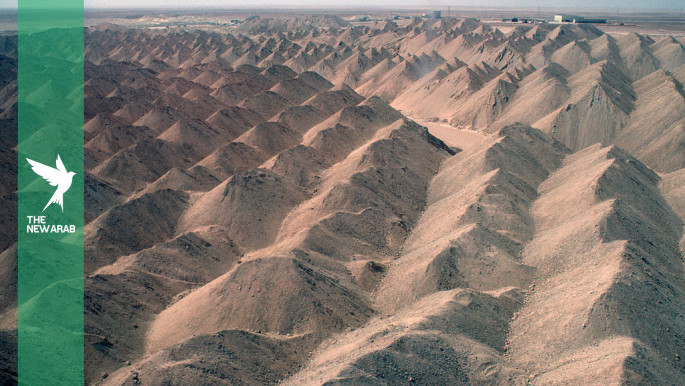
At a phosphate mine in Morocco, an excavator tears into the earth to extract a mineral that is at the centre of Europe’s growing concern over cadmium in the food chain.
Morocco holds vast reserves of phosphate, a key ingredient in fertilisers.
And state-owned OCP, which has a monopoly over the country’s phosphate industry, says it has developed technology to reduce the amount of cadmium in its products.
Phosphate often contains naturally occurring cadmium—a heavy metal harmful to living organisms—that can seep into farmland and eventually to food through fertilisers.
According to the French health agency ANSES, phosphate deposits in Morocco naturally contained high levels of cadmium.
In France, lawmakers overwhelmingly backed a bill in June seeking to limit people’s exposure to the metal, which can damage the kidneys and has been linked to a high risk of cancer.
Two-thirds of the world’s reserve
At a mine in western Morocco’s Sidi Chennane, a 3,000-tonne excavator removes layers of earth to reach the phosphate below.
The rock is then washed and exported in raw form or processed into phosphoric acid at an OCP industrial complex south of Casablanca.
The acid is the main ingredient in phosphate fertilisers and is combined with ammonia or other substances, depending on the type of fertiliser being made.
Since early last year, all OCP fertilisers exported to Europe have contained less than 20 milligrammes of cadmium per kilogramme, according to the company.
That’s one-third of the European Union’s maximum limit of 60 milligrammes per kilogramme.
An EU official told AFP that the bloc was “not in a position to verify” whether Moroccan phosphate and fertiliser exports reduced the cadmium content, due to lack of a monitoring system.
However, the official said OCP “reported” that it had “invested in decadmiation technologies over recent years” to ensure that levels of cadmium in its exports did not exceed 20 milligrammes.
Europe accounted for 17 percent of OCP’s exports last year, following Asia with 41 percent and the Americas with 31 percent.
Morocco holds more than two-thirds of the world’s known reserves of phosphate with an estimated 50 billion metric tonnes, counting deposits in the disputed territory of Western Sahara, which is claimed by the pro-independence Polisario Front.
The kingdom is the world’s second-largest phosphate producer after China.
OCP says it lowers cadmium levels by adding “specific additives during the treatment of phosphoric acid”. The metal is captured and separated before the now-purified acid is used to make fertiliser.
The company has made significant investments in the face of “regulatory approaches that vary from one market to another”, OCP Nutricrops chief executive Faris Derrij told AFP.
Derrij did not disclose the level of cadmium levels in OCP exports outside of Europe.
Pollution, geopolitics
The industry has not only faced the challenge of limiting cadmium levels.
The process of making fertiliser also generates phosphogypsum, a byproduct containing heavy metals and acidic substances also linked with several health issues.
OCP plans to build a land-based storage facility by 2027 to reduce discharges of phosphogypsum into the sea and has been researching ways to reuse the waste.
Excessive use of phosphate fertiliser on crops can itself harm the environment, said Sylvain Pellerin, a research director at France’s INRAE agricultural research institute.
It can lead to water contamination and the emission of nitrous oxide, a greenhouse gas, Pellerin explained.
The industry is also facing the challenge of securing raw materials needed to produce fertiliser while global demand is on the rise, Pellerin added.
The US-Israeli war on Iran since late February has tightened fertiliser supplies, much of which in peacetime would have been exported from the Gulf through the disputed Strait of Hormuz.