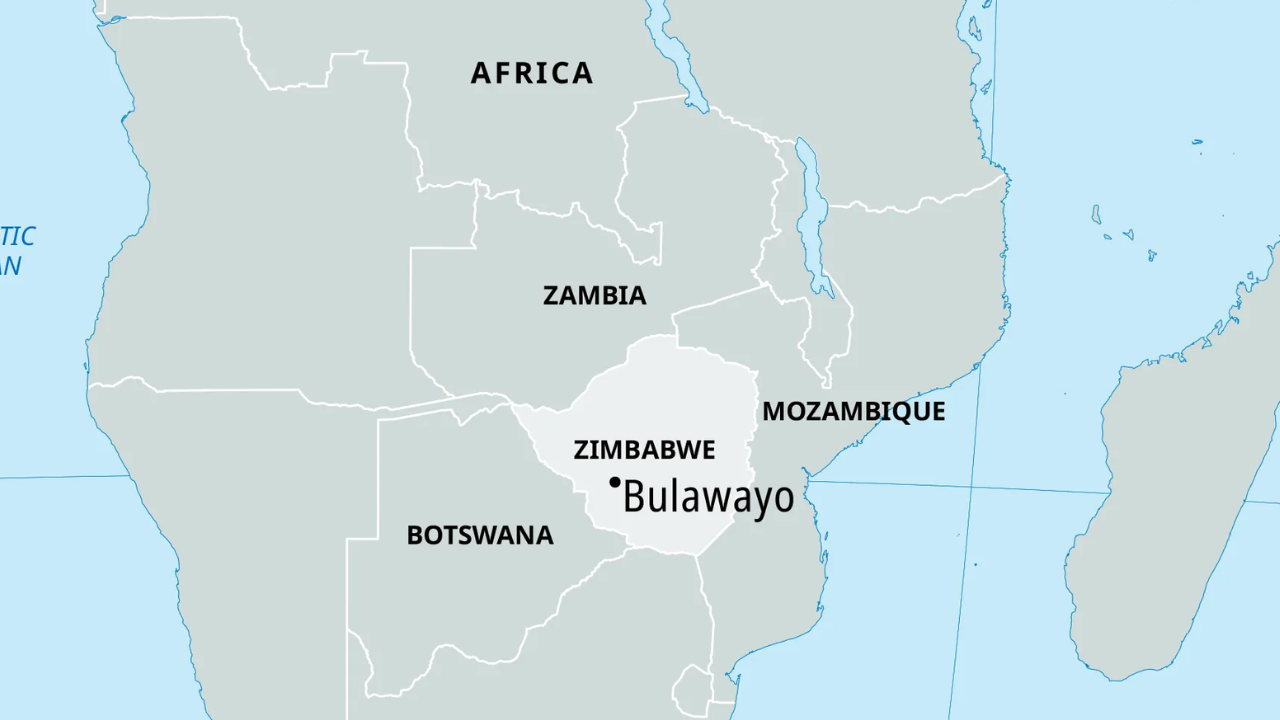
BULAWAYO, ZIMBABWE — Zimbabwe Finance Minister Mthuli Ncube has called on stakeholders to transform Bulawayo’s vacant factories into international call center and knowledge process outsourcing (KPO) hubs, launching Special Economic Zone (SEZ) incentives to bolster the sector.
According to a report from Bulawayo 24 News, the move is part of Zimbabwe’s broader strategy to position itself as a competitive destination for business process outsourcing (BPO) and KPO.
Government unveils SEZ tax breaks for BPO, KPO sectors
Speaking at the 2026 Post-Budget Breakfast Meeting in Bulawayo, Ncube highlighted that the new SEZ incentives put the BPO and KPO sectors on equal footing with other export-oriented industries.
Companies servicing offshore clients will now enjoy benefits comparable to those in export processing zones.
“These are call centers and knowledge-based processing organizations, which mainly focus on the ICT sector,” Ncube said.
“We really want to drive this sector. I am looking forward to some of these factories in Bulawayo being occupied by BPOs and KPOs going forward,” Ncube added.
The incentives are expected to attract both local and international investors, create jobs for Zimbabwe’s youth, and generate foreign currency through ICT-enabled service exports.
By leveraging existing industrial infrastructure, the government aims to breathe new life into idle factories and strengthen the country’s position in the global outsourcing market.
Factory conversion plan targets youth unemployment
The initiative not only targets economic growth but also addresses youth unemployment. By converting underutilized factories into service centers, Bulawayo could emerge as a key hub for outsourced ICT services in the region.
This aligns with global trends where emerging economies leverage lower operational costs and a skilled workforce to attract international outsourcing contracts.
Zimbabwe’s move could signal a broader shift in Africa’s outsourcing landscape.
With SEZ incentives making operations more competitive, Bulawayo could attract major BPO and KPO players seeking cost-effective locations for global operations.
If successful, this strategy may help Zimbabwe diversify its economy and increase foreign currency inflows, reinforcing the importance of ICT-driven services as a pillar for economic growth.
By targeting offshore markets, the plan demonstrates how repurposing industrial spaces can create sustainable jobs while integrating Zimbabwe more deeply into global knowledge and service networks.
In a world where outsourcing continues to grow, Bulawayo’s factories could soon become a central node for international business process services.