Home
»
CHINA TRAVEL NEWS
»
Mexico Unites With Germany, South Africa, Thailand, France, Italy, China, And More In Facing New Entry Hurdles As Indonesia Implements Tough Fines, Visitor Caps, And Financial Verification To Ensure Sustainable Tourism
Published on
January 27, 2026
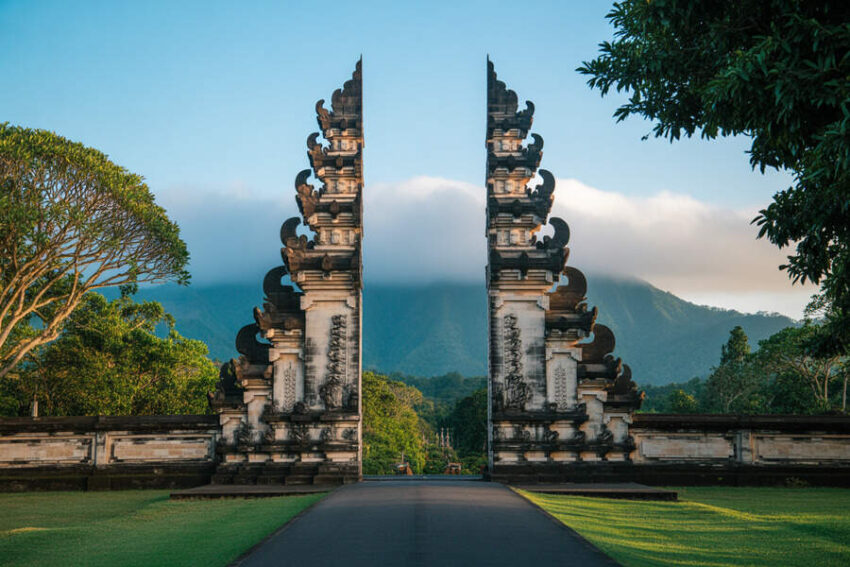
Mexico unites with Germany, South Africa, Thailand, France, Italy, China, and more in facing strict entry restrictions as Indonesia implements bold fines, visitor caps, and financial scrutiny to ensure sustainable tourism. This new move comes as a response to the rapid growth of tourism in Bali, which reached a record 7.05 million international arrivals in 2025. While the influx of tourists has boosted the local economy, it has also placed significant strain on the island’s infrastructure and resources. In an effort to protect Bali’s cultural heritage and natural environment, the provincial government is enforcing stricter entry requirements, aiming to transition from mass tourism to a more sustainable, high-quality visitor experience.
Bali, the enchanting island that continues to mesmerize travellers from across the globe, is facing an evolving challenge. While the island has seen a remarkable surge in international arrivals, local authorities are now gearing up for a more stringent approach to tourism management. Bali is set to introduce tougher entry requirements, including bold fines, visitor caps, and financial scrutiny, aimed at preserving its natural beauty, cultural heritage, and local resources. Mexico, along with many other countries, will be directly impacted by these changes as Indonesia seeks to transition from mass tourism to sustainable, high-quality tourism that benefits both visitors and locals.
The government of Bali, led by Governor Wayan Koster, has announced that these new rules are essential in maintaining the island’s charm while keeping it sustainable for future generations. With over 7 million international tourists visiting Bali in 2025 alone, the demand for stricter measures has never been more urgent. These proposed rules come as part of a broader effort to manage the rapid growth of tourism while protecting the local environment and cultural integrity of the island.
The Need for Change: Bali’s Tourism Surge
In 2025, Bali saw a record 7.05 million international arrivals, marking a notable 11.3% increase from the previous year. While this growth has brought economic benefits, it has also created unforeseen challenges. Rapid growth has led to congested roads, overburdened local services, and the strain on Bali’s delicate ecosystem. The Bali provincial government has expressed concerns that while the island’s economy is benefiting from tourism, local communities are facing the pressures of overtourism. The proposed regulations aim to manage these growing pains and ensure Bali remains a sustainable and quality destination.
Advertisement
Advertisement
A Bold Move: New Entry Requirements and Financial Scrutiny
Under the new proposal, all international visitors will face a much stricter entry process. Key changes include:
Proof of Financial Capacity: Visitors will be required to provide evidence of their ability to support themselves during their stay. This could include providing recent bank statements showing sufficient funds to cover accommodation, meals, transportation, and emergency expenses.
Travel Plan Verification: Tourists will need to submit a detailed travel itinerary, including their planned length of stay and intended activities. This is aimed at ensuring that tourists are not simply passing through but are visiting with a purpose, helping to reduce the impact on local infrastructure and promoting more meaningful experiences.
Return and Onward Travel Evidence: Visitors will need to show return tickets or onward travel arrangements to ensure that they are not overstaying their visit. This measure will help regulate tourist flow and encourage compliance with visa regulations.
Visitor Caps: Managing Numbers for Sustainable Growth
In addition to financial verification and travel plan scrutiny, Bali is considering implementing visitor caps for specific areas. Popular tourist destinations such as Ubud, Kuta, and Seminyak have been overwhelmed by mass tourism, resulting in overcrowding and damage to the environment. The caps are designed to spread tourists more evenly across the island, ensuring that everyone has the opportunity to enjoy Bali’s beauty without contributing to overuse of its natural resources. This move aligns with Bali’s goal of shifting towards sustainable tourism that prioritizes quality over quantity.
Advertisement
Advertisement
The Impact on Global Travelers: Which Countries Will Be Affected?
These new entry restrictions and regulations will affect international tourists from across the globe, with significant impact on visitors from key markets. Below is a breakdown of the countries most likely to be affected by these new regulations:
Mexico
Germany
South Africa
Thailand
France
Italy
China
United States
United Kingdom
India
Canada
Australia
Japan
South Korea
Singapore
Malaysia
Russia
New Zealand
Norway
Vietnam
Mexico, in particular, has become one of Bali’s significant markets, with increasing numbers of visitors flocking to the island in recent years. As the new measures will apply to all foreign nationals, tourists from Mexico will need to adhere to the same rules as those from other major markets. Whether it is submitting their financial capacity proof, showing their travel itinerary, or booking return flights, Mexican travellers will be required to plan their trips with the new regulations in mind.
What Will This Mean for Tourists?
For many tourists, these new measures may come as a surprise, but they are an important step towards balancing the needs of the local community and the tourism sector. While Bali remains an incredibly popular destination, the government is focused on ensuring that visitors can enjoy the island without contributing to its degradation. Here’s what international travellers will need to prepare for:
Document Preparation: Tourists will need to gather and present financial documents, including recent bank statements, along with proof of accommodation, return tickets, and a comprehensive travel plan.
Planning Ahead: Those looking to visit Bali will need to be prepared for longer immigration processes and possibly even delays, as additional checks will be carried out at entry points.
Increased Costs: With the introduction of fines for overstaying and caps on visitor numbers in certain areas, tourists may find that the cost of visiting Bali increases as these stricter policies are put into place.
A Focus on Quality Experiences: These regulations signal a shift from mass tourism to a more curated experience. Bali’s government hopes that by reducing the number of tourists, they can provide a more authentic and less crowded experience for those who do visit. This will likely lead to more sustainable tourism activities, such as eco-tours, cultural experiences, and local business support.
The Bigger Picture: Why Bali is Taking These Measures
Bali’s introduction of these new regulations is part of a broader global shift towards sustainable tourism. Across the world, destinations that have become overwhelmed with tourism—such as Venice, Barcelona, and Amalfi Coast—are implementing similar measures. Bali is following suit, recognizing that sustainable growth is not just about increasing visitor numbers, but about ensuring that future generations can experience the island in its full beauty.
With the growing concern over overtourism, Bali’s government is setting a new precedent in the region. This move is a strong message to other tourist destinations globally, showcasing that quality tourism—not just quantity—will be the key to preserving destinations and ensuring a balance between economic benefits and environmental preservation.
What’s Next for Bali’s Tourism Industry?
As Bali works toward implementing these new entry requirements, local businesses and tourism stakeholders will need to adjust to the changing landscape. The introduction of visitor caps and financial checks may prompt new tourism strategies that focus on attracting fewer but higher-spending visitors who are more likely to engage in meaningful, environmentally conscious experiences. The long-term goal is to reposition Bali as a premium destination that values sustainability and responsible tourism.
The Bali provincial government has also emphasized that these measures will only be successful if local communities are actively involved. The new rules will benefit not only the environment but also local workers, cultural preservationists, and the entire Balinese population.
The introduction of tougher entry requirements for tourists to Bali is a bold move in an era where sustainability is becoming an essential pillar of tourism development. While the regulations may pose some challenges for international travellers, they are necessary for ensuring that Bali’s cultural, ecological, and economic resources remain intact for generations to come. Countries like Mexico, Germany, South Africa, Thailand, France, Italy, China, Norway, Sweden, Japan, Singapore and many others will undoubtedly be impacted, but these changes mark a critical step towards creating a sustainable, high-quality tourism model for Bali in the years ahead.
Mexico unites with Germany, South Africa, Thailand, France, Italy, China, and more in facing strict entry restrictions as Indonesia implements bold fines, visitor caps, and financial scrutiny to ensure sustainable tourism. This move is a response to the overwhelming increase in tourism to Bali, which has put significant pressure on the island’s resources and infrastructure, prompting the government to enforce measures that prioritize long-term sustainability over mass tourism.
Tourists from across the globe will need to adjust, plan ahead, and embrace a new form of travel that prioritizes the island’s future health over short-term convenience. Bali’s future as a global tourism leader depends on it, and with the backing of both government and tourists, this island paradise can continue to thrive for years to come.
