Ahatha
Muhumed who turned to livestock trading to support her
family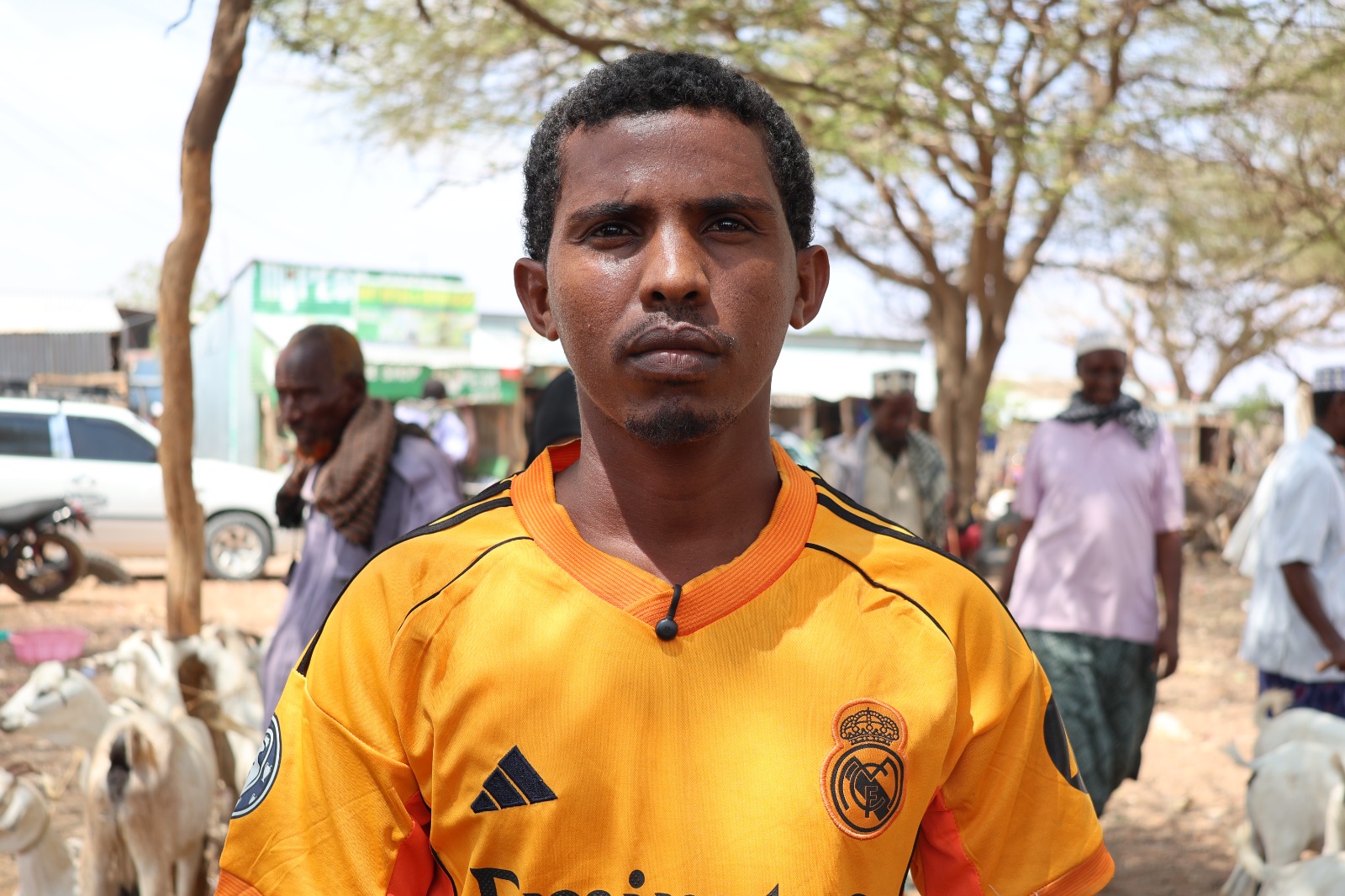
Livestock trader Ibrahim
Yussuf
Wajir livestock farmers and
traders are grappling with a livelihood crisis as a prolonged dry spell has
devastated the sector, pushing households to the brink of survival.
At Qorahey market in the heart of Wajir town, once a vibrant hub of
livestock trade, business has slowed to a crawl.
In an interview at the
market, veteran livestock trader
Muhumed Mumin said he has never witnessed any drought as devastating as the
current one in his 30 years in the business.
Mumin, who has traded
livestock at the market for years, says the business no longer can sustain his
family.
His daily earnings have
fallen sharply over three months, from more than Sh1,000 on a good day to as
little as Sh300.
He stands leaning on a
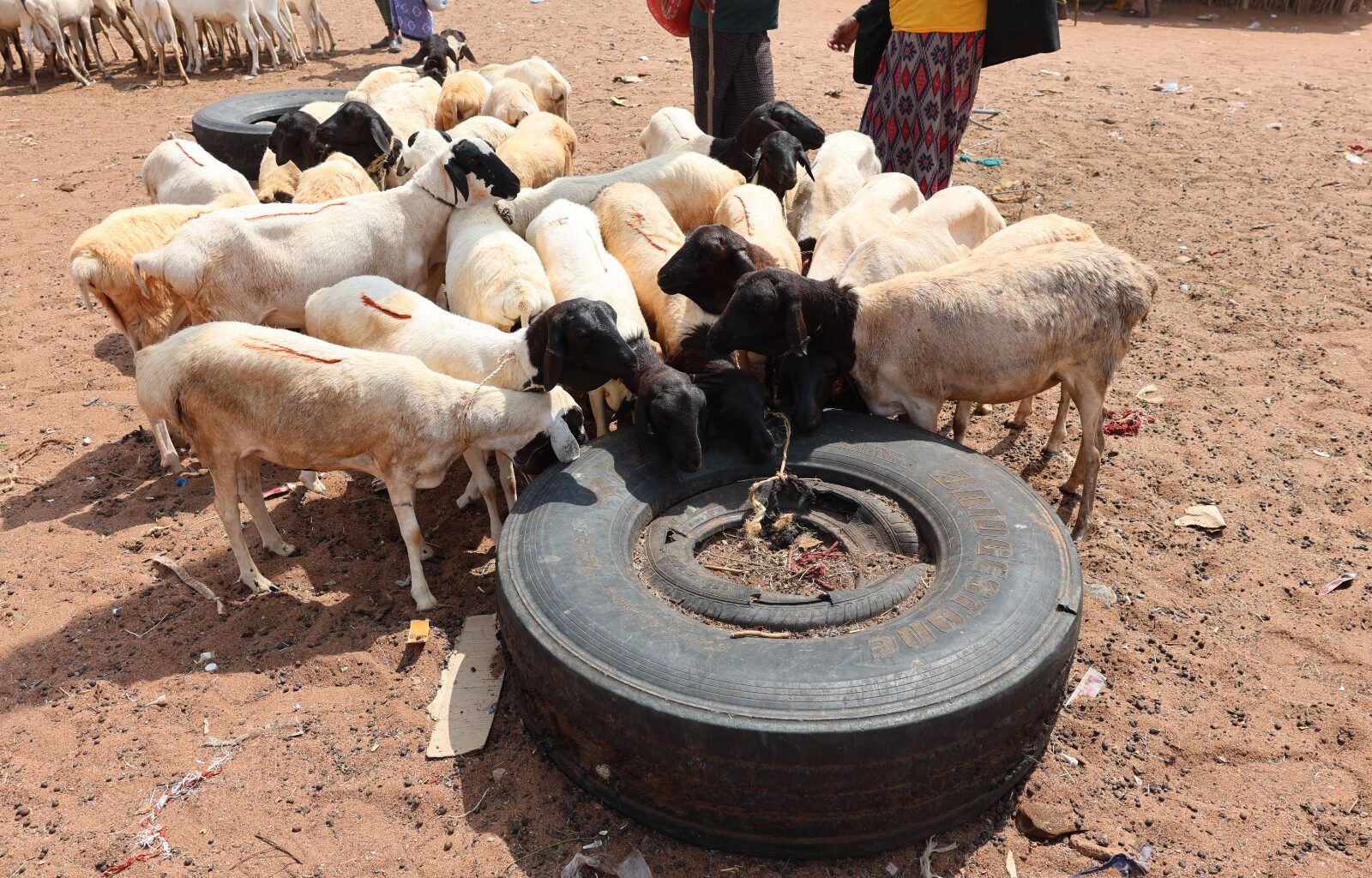
walking stick, watching over emaciated goats tethered nearby—animals that now
fetch a fraction of their former value.
“This business no longer
can keep our family afloat,” Mumin said in frustration.
“It is a complete waste of
time. Can someone with eight or nine children survive on Sh300 a day? Life
has become very hard.”
Goats that once sold for as
much as Sh7,000 are now going for as little as Sh2,500, the lowest prices since
the last major drought in Wajir.
Traders say weak animals,
poor market demand and rising competition have combined to erode profits.
Osman Hussein, another
long-time trader, spent nearly five decades in the livestock business and says
the situation has deteriorated rapidly.
“Livestock are weak and
prices are down. People who depend on this market are really in danger,” he
said.
Osman said the economic
strain has forced many women—traditionally housewives in the conservative
community—to join the market in search of income.
“The women who were
supposed to be at home are now here competing with us for survival. That shows
how bad the situation is,” he said.
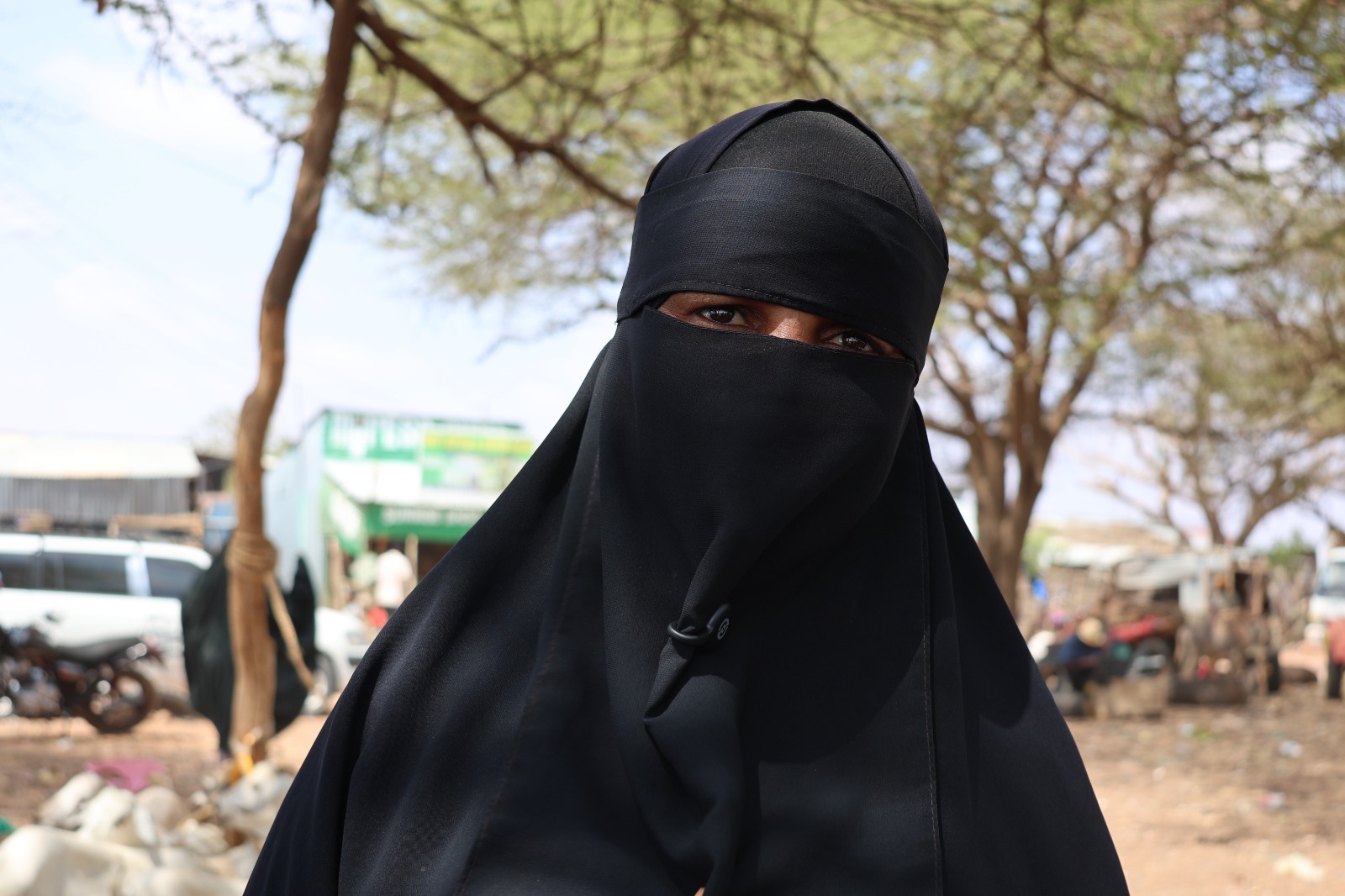
Former housewife Ahatha Muhumed turned to livestock trading to
support her family but falling prices have wiped out her profit margins.
“A she-goat that used to
sell for about Sh7,000 now goes for between Sh3,500 and Sh4,000,” she told the
Star.
“Sometimes we go home
without a single shilling.”
The traders’ challenges
mirror a broader humanitarian crisis unfolding across the county and region.
The National Drought
Management Authority said Wajir is among several counties placed on alert
status due to worsening drought conditions.
The authority estimates
174,200 people require urgent food assistance as hunger and malnutrition rise.
Livestock, the backbone of
the economy, are suffering from severe forage shortages, weakened physical
condition and increased mortality rates.
In December last
year, MPs from Asal regions urged the national government to declare the
drought a national disaster, citing rising distress among pastoralist
communities.
The MPs, led by Eldas MP
Adan Keynan, who chairs the Northern Kenya Parliamentary Group, said declaring
a national disaster would unlock emergency funding, streamline humanitarian
support and enable international partners to scale up interventions.