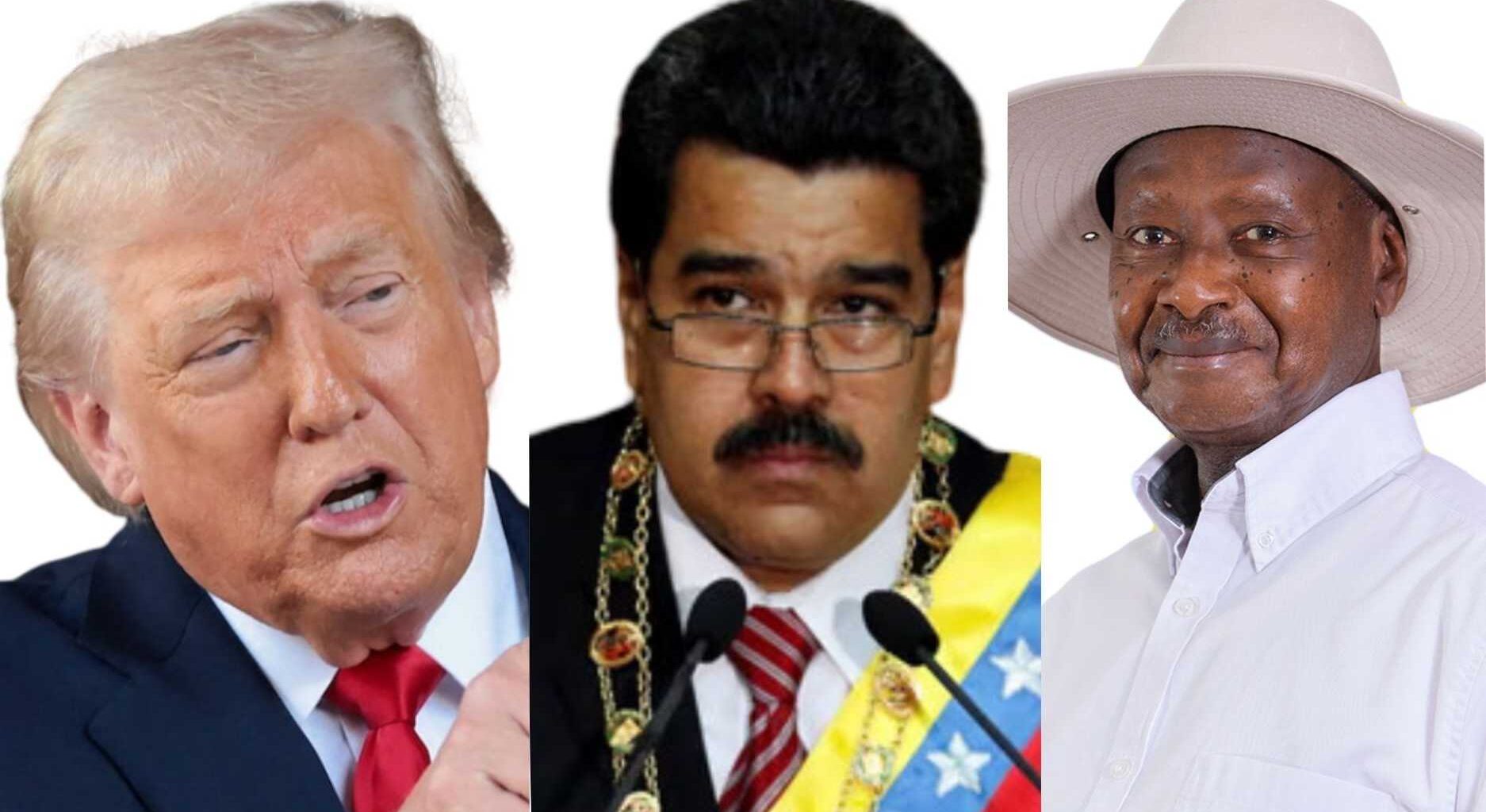
Uganda, 5 January 2026 – President Yoweri Museveni of Uganda has sharply criticised recent U.S. foreign policy moves, including the dramatic capture of Venezuelan leader Nicolás Maduro by U.S. forces in early January 2026.
Museveni said that such interventions reflect a troubling global order where African ambitions are sidelined in favour of great-power interests, language that resonates with many African leaders who feel the continent is often an afterthought in great-power diplomacy.
It may seem distant, but the U.S. operation in Venezuela has rippled outward, including into African capitals, because it underscores a more assertive Trump foreign policy, one that combines militaristic action with economic interests.
After capturing Maduro, Trump declared that the U.S. would temporarily govern Venezuela and bring in major American oil companies to redevelop its energy sector, signalling that economic leverage and security operations are once again intertwined in U.S. foreign policy.
For many African leaders, this reinforces perceptions that the United States still approaches global affairs not just through traditional diplomacy, but through hard power and economic deals, sometimes without adequately consulting regional partners.
Experts say Trump’s expanding engagement with Africa, even if controversial, reflects a convergence of geopolitical calculation and domestic political strategy:
Transactional Diplomacy Over Aid-Driven Policy: Under Trump, the U.S. has dismantled traditional foreign aid frameworks like USAID, preferring direct economic and health funding agreements that tie assistance to co-financing and strategic cooperation.
For example, new “America First” health deals with countries such as Kenya, Nigeria, Rwanda and others reflect a shift toward mutual investment and self-sufficiency ambitions rather than aid dependency.
Shifting Focus from Democracy Promotion: Unlike previous administrations that emphasised democracy and human rights, Trump’s approach has prioritised trade, investment and security cooperation, often with a pragmatic lens that critics argue sidelines democratic governance concerns.
A December analysis noted Trump’s foreign policy pivot in Africa reflects a trade-first, resource-driven approach that prioritises partners who open markets and facilitate American business interests.
Countering Competitors: Africa remains a strategic theatre in the broader competition with China and Russia. U.S. policymakers have explicitly positioned countering Chinese influence as a core objective, framing engagement with African states through economic partnerships and security assistance.
Analysts note that Washington’s official strategy documents emphasise countering rival influence, even as critics warn this risks undermining African autonomy.
The Trump administration’s involvement in African affairs has taken several forms:
Military Engagements: Drone strikes and other operations in places like Somalia have increased, prompting debate about the balance between security objectives and long-term stability.
Diplomatic Decisions: Trump’s expanded travel ban restricting nationals from several African countries, including Mali, Niger and Burkina Faso, triggered reciprocal visa bans and strained diplomatic relationships.