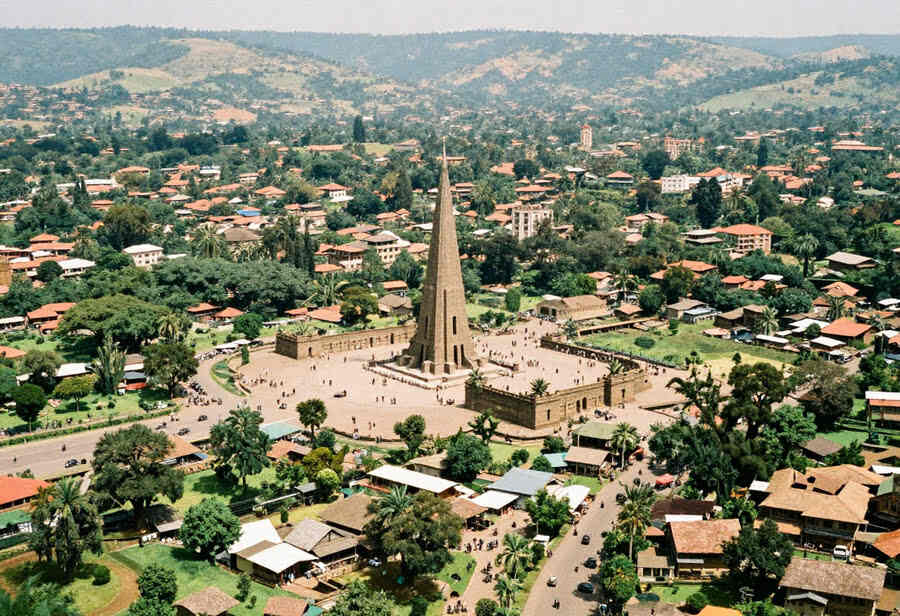
Home » Brazil Travel News » Ethiopia Joins Brazil, Japan, Egypt, and Vietnam in Capturing Global Attention with Explosive Tourism Growth, Strengthening Its Position in the International Market
Published on
January 5, 2026
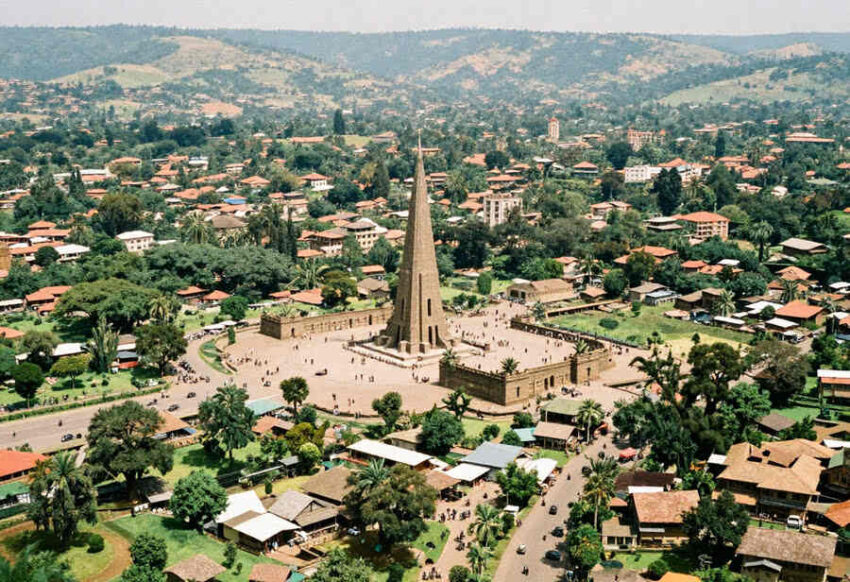
In 2025, Ethiopia joins Brazil, Japan, Egypt, and Vietnam in capturing global attention with explosive tourism growth, positioning itself as one of the fastest-growing travel destinations. This surge is driven by Ethiopia’s rich cultural heritage, stunning landscapes, and growing appeal as an adventure and eco-tourism destination. The country has capitalized on its ancient sites, such as the rock-hewn churches of Lalibela and the Aksum Obelisks, while also enhancing its tourism infrastructure and improving accessibility for international visitors. These efforts, combined with strategic government initiatives, have made Ethiopia an increasingly attractive destination, placing it alongside other rapidly growing countries in the global tourism market and strengthening its position as a key player in international travel.
Vietnam has marked a significant achievement in 2025 by attracting 21.2 million international tourists, setting a new all-time high for the country’s tourism industry. This represents a 20% year-on-year increase, surpassing the pre-pandemic record of 18 million visitors in 2019. The impressive surge signals a robust recovery for Vietnam’s tourism sector and highlights its growing prominence as a top travel destination in Southeast Asia.
A variety of factors have contributed to this tourism boom, including the resurgence of Chinese visitors, who have long been Vietnam’s largest source of foreign tourists, and a set of strategic policy changes designed to make the country more accessible to international travelers. With Southeast Asia’s tourism landscape undergoing a major realignment, Vietnam’s rise comes largely at the expense of Thailand, a traditional regional powerhouse.
The most substantial factor driving Vietnam’s growth has been the strong rebound in Chinese tourist numbers. In 2025, the number of Chinese visitors to Vietnam surged by 41.3%, reaching an impressive 5.3 million. This surge has positioned Vietnam ahead of Thailand, which saw a decline in Chinese visitors, partly due to internal tensions and security concerns. The appeal of Vietnam’s stable environment, coupled with its unique cultural and natural offerings, has made it the preferred destination for Chinese travelers seeking new experiences in Southeast Asia.
Vietnam’s government has implemented a series of initiatives to enhance the country’s appeal as a tourist destination. Among the most notable of these is the introduction of a 45-day visa-free waiver for citizens of several developed countries, which has led to a sharp increase in visitors from Europe. Tourists from Poland, for instance, increased by 43%, while those from the UK, France, and Italy each saw growth of about 20%. In addition, Vietnam experienced a dramatic rise in the number of Russian visitors, with the figure jumping by an extraordinary 197% compared to the previous year. These figures demonstrate how effective the country’s visa policies have been in expanding its international appeal.
Beyond policy changes, the increase in Vietnam’s tourism revenue has been substantial. The tourism sector generated more than 1 quadrillion dong (roughly $38 billion) in 2025, a clear indicator of how tourism has become an integral part of the national economy. This revenue has fueled the growth of various industries, from hospitality and transportation to retail and cultural tourism. The influx of international tourists has played a pivotal role in supporting Vietnam’s post-pandemic economic recovery.
According to the United Nations World Tourism Organization (UNWTO), Vietnam is now among the world’s fastest-growing tourism destinations, along with countries like Brazil, Egypt, Japan, and Ethiopia. The rapid recovery and expansion of the country’s tourism sector have surpassed the levels of 2019, further solidifying Vietnam’s position as one of the most dynamic destinations in the world. With a growing number of tourists from diverse markets, Vietnam’s ability to diversify its offerings and cater to a wide range of travel interests has been key to its success.
Looking ahead, Vietnam has set even more ambitious targets for 2026, aiming to attract 25 million international tourists and generate over 1.1 quadrillion dong in tourism revenue. These targets reflect the government’s confidence in the continued growth of the sector and its focus on long-term sustainability. The country’s ability to adapt to evolving market conditions and continuously innovate in its tourism offerings is central to its optimistic outlook.
Vietnam’s success story is indicative of a larger regional trend in Southeast Asia. As the world rebounds from the pandemic, travelers are increasingly looking for destinations that offer a blend of cultural heritage, natural beauty, and affordability. Vietnam’s combination of scenic landscapes, vibrant cities, and rich cultural history has proven irresistible to tourists from around the globe. The country’s competitive edge lies in its ability to cater to diverse tourist interests, whether they seek history, nature, cuisine, or adventure.
In 2025, Ethiopia joins Brazil, Japan, Egypt, and Vietnam in experiencing explosive tourism growth, driven by its rich cultural heritage, stunning landscapes, and improved infrastructure, strengthening its position as a rising global travel destination.
In conclusion, Vietnam has firmly established itself as one of the leading destinations in Southeast Asia. With its impressive tourism growth, innovative policies, and increasing international appeal, the country is well-positioned to maintain its momentum in the coming years. As more travelers discover what Vietnam has to offer, the nation is set to become an even more integral player in the global tourism market. With its unique blend of modernity and tradition, Vietnam continues to captivate visitors from all corners of the world, ensuring that it remains a top choice for international tourists.
