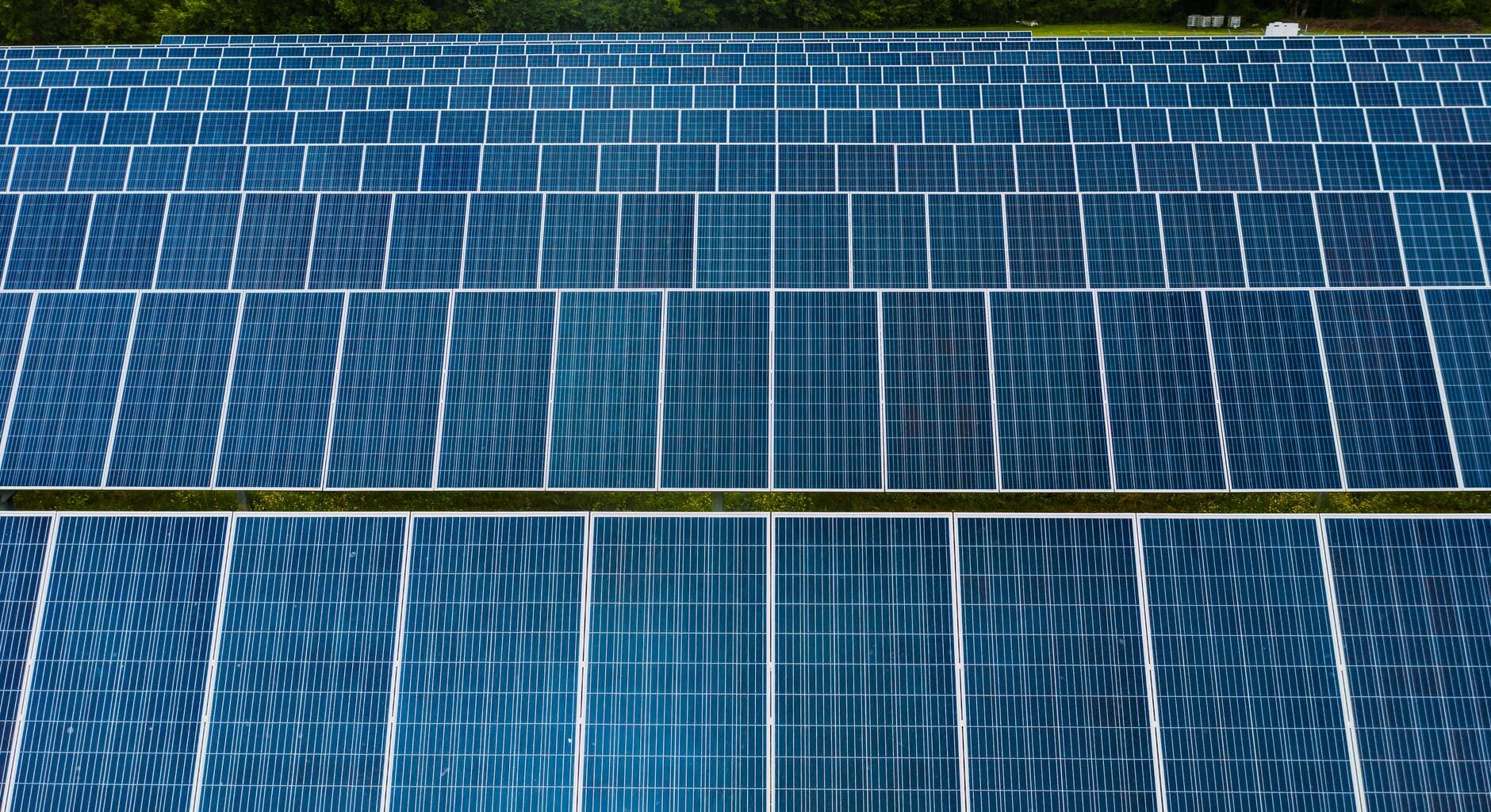
 Representational image. Credit: Canva
Africa is witnessing a significant rise in solar energy adoption, offering hope for a continent long challenged by limited access to electricity. Recent data from the Kigali-based Africa Solar Industry Association (AFSIA) shows that several African nations are increasingly integrating solar power into their national grids. The Central African Republic is currently leading the way, generating over a third of its electricity from solar energy, marking the highest penetration rate on the continent. Other countries, including Chad, Somalia, and Malawi, are also making progress, with 13 nations now producing more than 10% of their power from the sun.
Despite these encouraging numbers, the reality of energy access in Africa remains challenging. The continent has the lowest electrification rates in the world, with around 600 million people living without reliable power. In the Central African Republic, the high percentage of solar power mainly benefits the capital city, Bangui, serving only about 15.7% of the country’s population. This limited reach highlights the ongoing issue of “energy poverty,” which continues to hinder economic growth and restrict access to basic services.
Africa has vast untapped solar potential, with roughly 60% of the world’s best solar resources located on the continent. Yet, it contributes only about 1% of global installed solar photovoltaic capacity. One of the historical challenges has been the intermittent nature of solar power, as energy production fluctuates depending on sunlight availability. To address this, battery storage has become an essential solution. Falling battery costs and wider availability have made solar energy more consistent and reliable.
However, battery use brings its own environmental and health concerns. Lithium-ion batteries, commonly used in solar systems, require mining processes that can pollute local water sources. In countries like Malawi, the widespread use of cheaper lead-acid batteries has led to informal recycling practices. These “backyard” efforts release harmful levels of lead, posing risks to both workers and nearby communities.
Another challenge lies in the global solar market. China produces approximately 80% of the world’s solar panels and batteries, which Africa depends on heavily. However, policy changes in China are expected in April 2026, when export VAT credits for batteries used in solar storage will begin to be phased out, with full implementation planned by 2027. This change is likely to raise costs for African buyers, potentially slowing the momentum of solar adoption.
Despite these obstacles, solar energy continues to grow across Africa. Villages in Malawi, for example, now run entirely on sunlight, demonstrating the transformative potential of solar power. The journey toward full electrification, however, is complex. African nations must carefully balance the opportunities offered by abundant solar resources with the environmental, health, and economic challenges that come with scaling up this clean energy source. The growth is promising, but achieving widespread, reliable electricity remains a long-term challenge for the continent.
Like this:
Like Loading…
Related
Discover more from SolarQuarter
Subscribe to get the latest posts sent to your email.