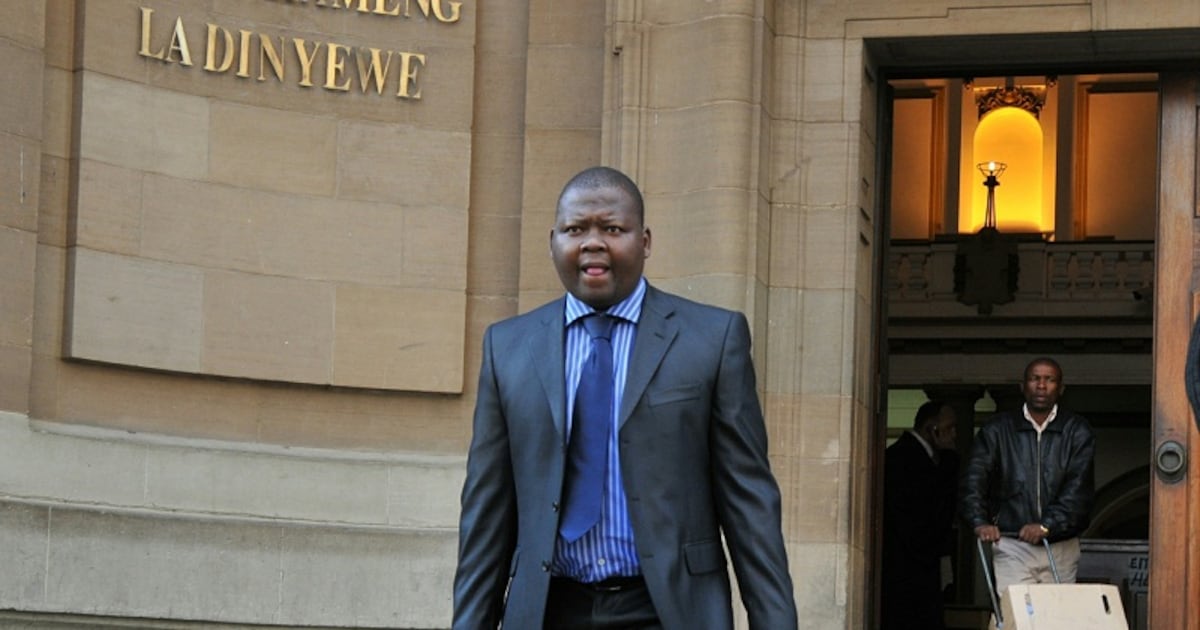
Advocate Andy Mothibi, on his first day as head of the National Prosecuting Authority (NPA), faces a legal challenge that seeks to set aside his appointment by President Cyril Ramaphosa.
Attorney Barnabas Xulu, in an application before the Gauteng high court in Pretoria, wants Mothibi’s appointment declared unlawful and set aside.
Xulu filed an amended notice to the court last Thursday after previously withdrawing the application seeking to interdict Ramaphosa from appointing a national director of public prosecutions, taking over from Shamila Batohi, based on recommendations of the advisory panel which interviewed candidates.
Ramaphosa appointed Mothibi after the panel did not recommend any of the six candidates it interviewed for the top position.
Those who were in the race for the position included former NPA head Menzi Simelane; Independent Directorate Against Corruption (Idac) head Andrea Johnson; former Investigating Directorate head Hermonie Cronje; and advocates Nicolette Bell, Adrian Mopp and Xolisile Khanyile.
The initial litigation was based mainly on Xulu’s firm challenging Cronje’s participation. Xulu argued Cronje was “favoured” by the panel during the interview. The law firm filed an objection to the panel on Cronje’s candidature, an objection which was not given to Cronje on time to respond to in detail.
Cronje responded to questions about the objection.
Xulu filed an application arguing the process followed by the advisory panel was irregular due to the objection issue but withdrew in early January when Cronje was not appointed.
Xulu, however, changed tack and filed an amended application last week, challenging Mothibi’s appointment on procedural grounds.
“We do not dispute the president’s powers to appoint the NDPP… nor do we impugn advocate Mothibi’s suitability for the position of NDPP. We still persist with the allegation that the entire process of appointing the NDPP and that culminated in the appointment of advocate Mothibi is unlawful,” the court papers read.
It is Xulu’s case that the process followed by the panel was unlawful, and he argues that renders Ramaphosa’s appointment unlawful on procedural grounds.
“The president took into consideration the recommendations of the advisory panel while fully cognisant and acknowledging that the process was the subject of legal challenge,” Xulu makes the point despite the president not appointing any of the six candidates interviewed by the panel.
“Advocate Mothibi was appointed in a manner that did not subject him to the same process and criteria as other candidates who had been rendered ineligible and unsuitable by the advisory panel. The president’s differential treatment of advocates in a process for the same appointment is unlawful.”
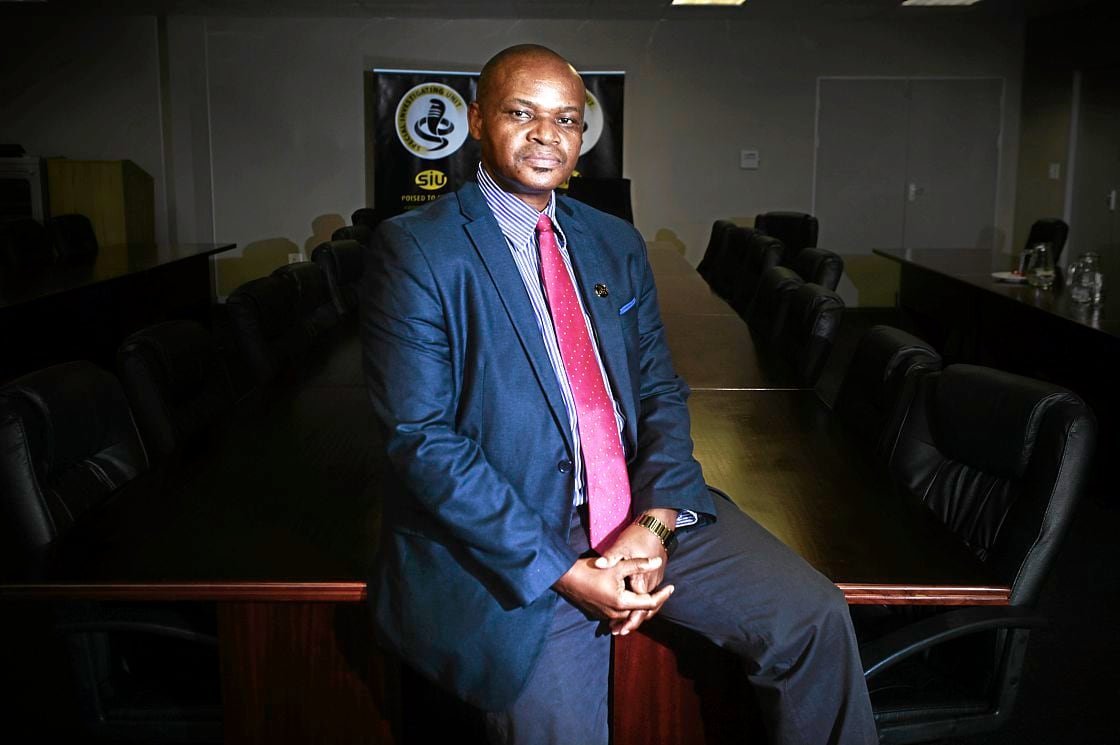 Former SIU head Andy Mothibi. Picture: GALLO IMAGES/CITY PRESS/LEON SADIKI (Gallo Images / City Press / Leon Sadiki)
Xulu pins the legal challenge mainly on what he argues is Mothibi’s appointment on “procedural unfairness”, a ground he maintains could lead to the decision being declared unlawful.
“The nub of our case is that the president should not have considered any recommendation of the advisory panel regardless of what it said. The process was the subject of a legal challenge, and the President should have allowed the court process to affirm the validity of the advisory panel’s process before acting on its recommendation.”
Without the appointment of Mothibi, the position would have been vacant after Shamila’s tenure ended last week. Xulu argues Ramaphosa could have appointed an acting NPA head until the court decided on his law firm’s case.
Presidency spokesperson Vincent Magwenya told Sowetan’s sister newspaper Business Day, “We will respond accordingly to his court papers.”
Mothibi begins his tenure as the national director of public prosecutions today.