Last week, the Department of Health in South Africa says it was “inundated” with questions about the outbreak of the Nipah virus in Asia. Transmitted by bats and originating in animals, the virus, known as NiV, was detected in India with two positive cases confirmed at the end of January.
Despite the widespread concern of the deadly virus, which was first detected in 1998, the department have assured South Africans that “There is no immediate risk to South Africa and there is no need for public to panic.”
“The scientists have advised that, at this stage there is a very low risk outside the affected countries and there is no need for screening at ports of entry,” it added.
South Africa’s National Institute for Communicable Diseases (NICD) says it will be offering training to staff of the Civil Aviation Authority in order to communicate the need to keep an eye out for potential infections on airlines and for airport staff.
Like the novel coronavirus (COVID-19), the Nipah virus is a “zoonotic” virus. This is a type of virus that is transmitted from animals, like bats, to humans, and then from human to human. It can also be transmitted through food, if for example, a person eats a contaminated animal.
Are people in South Africa at risk of getting the Nipah virus?
Importantly, and unlike COVID, Nipah transmits poorly from person to person, which significantly reduces the risk of a global pandemic. Instead, it is often transmitted through infected food and animal faeces, meaning that only people living near infection epicentres are at high risk.
The World Health Organisation even says that simply keeping good hygiene can reduce risk of infection significantly, especially when travelling to countries like India, Thailand, Malaysia and Singapore.
“The virus is currently not categorised under notifiable medical conditions, but will be categorised as a respiratory disease of unknown origin which is notifiable,” it explained.
Australian authorities are well aware of the Nipah virus, and are in the middle of testing vaccinations for it, since may travelers from Asian countries that have encountered the virus in the past often journey to Australia.
Allen Cheng, Professor of Infectious Diseases from Monash University Australia explains that travelers should continue to show caution.
“If you become unwell after travelling to areas where cases have been reported, you should let your doctor know where and when you travelled,” he said.
“If someone gets a fever after travelling to affected areas, we would probably be much more worried it was caused by other infections such as malaria or typhoid than Nipah, at this stage.”
Despite this, the virus can cause significant issues and symptoms, including seizures, breathing difficulties, severe headaches, jerky movements, paralysis and even personality changes and psychosis as it causes the brain to swell.
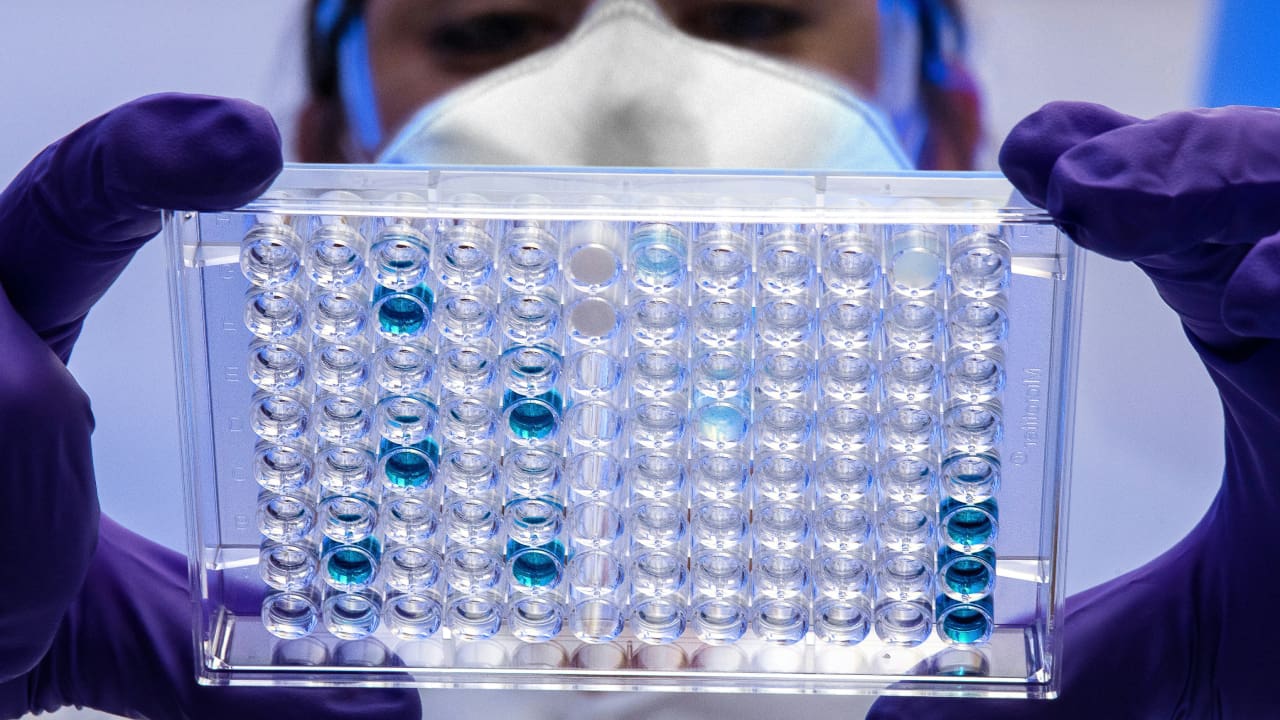
[Image – Photo by CDC on Unsplash]
Get the tech news you want to read. Take our reader survey and tell us how we can help you better.