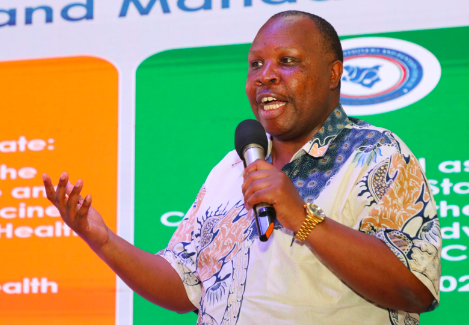
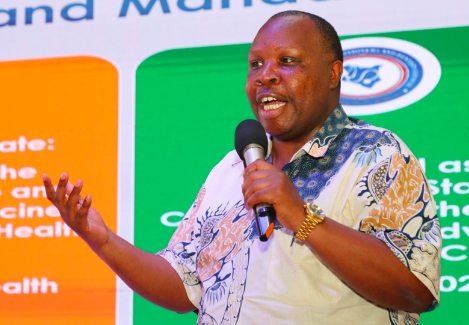
 KMPDC CEO David Kariuki
The Kenya Medical Practitioners and Dentists Council (KMPDC) has issued a strong warning against claims of faith-based healing for serious medical conditions, saying such assertions pose grave risks to public health and violate professional medical ethics.
In a statement released on Saturday, the Council said it had taken note of recent media reports and public discourse surrounding claims that conditions such as HIV/AIDS, cancer, blindness, deafness, muteness and physical disabilities had been healed through faith during a religious crusade in Nakuru.
The claims were reportedly attributed to certain medical practitioners.
“The Council unequivocally condemns such statements by medical practitioners, which are based on unverified claims,” the statement read, adding that the assertions had raised profound concerns regarding public health safety and professional ethics.
KMPDC emphasised that evidence-based medicine remains non-negotiable in healthcare delivery.
“All medical treatments and interventions must be grounded in scientific evidence, rigorous testing, and regulatory approval,” the Council said.
It noted that claims of healing for chronic or life-threatening conditions require verifiable medical documentation and independent confirmation by qualified healthcare professionals.
The regulator cautioned that unsubstantiated claims, especially when made by health professionals, could mislead vulnerable patients and discourage them from seeking proven treatment.
“Such actions may lead to worsened health outcomes, drug resistance, or loss of life,” the statement warned.
While acknowledging the role of faith and spirituality in many people’s lives, the Council warned against relying solely on unverified healing practices for serious illnesses.
“Relying solely on unverified healing methods for serious illnesses can pose grave risks,” KMPDC said, urging the public not to abandon prescribed medical treatments.
The Council specifically cited conditions such as HIV/AIDS, diabetes, hypertension and epilepsy, saying abandoning treatment in favour of unproven alternatives contradicts established public health guidelines.
KMPDC also disclosed that investigations into the reported claims are ongoing.
“KMPDC is working closely with the Ministry of Health and other regulatory bodies to investigate these claims,” the statement said.
It added that appropriate action would be taken against any practitioner found culpable.
“Appropriate actions will be taken against any practitioner… in order to safeguard public health, uphold medical ethics and protect citizens from misinformation,” the Council stated, noting that this could include legal measures against practices that endanger lives or violate health regulations.
The regulator sought to reassure Kenyans about the strength of the country’s healthcare system, citing continued investments in public health education, access to antiretroviral therapy, cancer care, and treatment for chronic illnesses.
“Evidence-based care is available to all,” the Council said.
KMPDC urged members of the public to remain vigilant and report any suspicious or extraordinary healing claims to relevant authorities for verification.
“Your health and well-being remain our top priority, and we are committed to fostering a safe, informed, and ethical healthcare environment.”