Published on
February 4, 2026
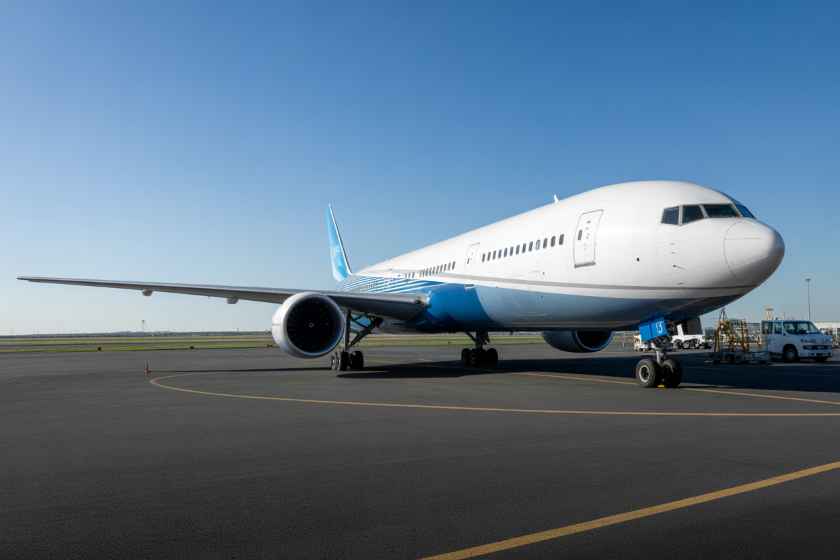
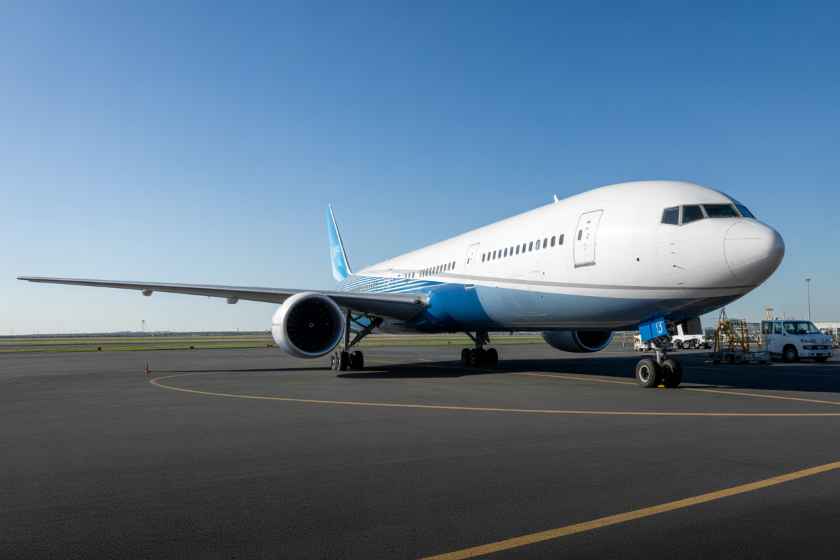
Air Zimbabwe (UM, Harare International) is targeting a June 2026 resumption of long-haul flights from Harare to London Gatwick, following a 14-year hiatus. The announcement, made by John Panonetsa Mangudya, CEO of the Mutapa Investment Fund (MIF), which owns the airline, signals a major step forward in the country’s aviation sector. Despite still being banned from operating commercial flights to the UK and European Union due to safety concerns, Air Zimbabwe is moving forward with plans to lease a Boeing widebody for the route.
The revival of the Harare–London service is significant not only for the airline but also for the Zimbabwean diaspora in the UK, a key factor driving demand for the route. The potential return of this service could reshape Zimbabwe’s air travel landscape, and Air Zimbabwe is optimistic about the long-term benefits for both tourism and exports.
The Return of the Harare–London Route: A Major Milestone
The Harare–London route holds considerable importance, with London Gatwick being a major hub for Zimbabweans living in the UK. The service was suspended in 2012 after financial struggles and the impoundment of Air Zimbabwe’s aircraft, but its return could provide essential links for tourists and business travelers alike. Mangudya noted that the route has historically been one of the most lucrative in Africa, as it not only connects Zimbabweans with family but also plays a key role in exporting products like horticulture to the UK.
In the past, Air Zimbabwe was able to quickly transport Zimbabwean agricultural exports, placing fresh produce on UK shelves by the next morning. This capability was a significant source of revenue for the airline and the country’s economy, and its return is expected to bolster the country’s export capabilities, which have been hindered by the lack of regular air services.
Advertisement
Advertisement
Overcoming the UK and EU Ban: What It Means for Air Zimbabwe
While Air Zimbabwe is eager to restart flights to London, it faces significant challenges due to its continued ban by both the UK and EU. These restrictions are in place because the airline does not meet the necessary international safety standards, and the carrier remains on the list of airlines barred from operating commercial flights to and from these regions.
Despite this, the airline is determined to forge ahead, and Mangudya has confirmed that efforts are underway to lease a Boeing widebody aircraft for the long-haul routes. The Airbus A320 used for earlier operations will not be sufficient for this expansion, necessitating the move to larger, more capable aircraft to ensure that the airline can meet passenger demand on the London route.
Advertisement
Advertisement
Air Zimbabwe’s Fleet Restructuring and Expansion Plans
As part of its broader strategic recovery, Air Zimbabwe is actively restructuring its fleet. The airline plans to dispose of two Boeing 777s, which were acquired from Malaysia Airlines but never put into service. The proceeds from these sales will be reinvested into acquiring smaller domestic aircraft for internal flights. This fleet restructuring is crucial to the airline’s goal of improving its operational efficiency and meeting the increasing demand for both domestic and regional flights.
Looking to the future, Air Zimbabwe aims to acquire six new aircraft over the next three years, as part of a USD 775.5 million investment. This new fleet will help the airline replace its aging aircraft and improve its service offerings. The investment includes two domestic aircraft, two regional jets, and two long-haul widebodies to support routes like Harare–London. These modern, more fuel-efficient aircraft will reduce maintenance costs and provide a better passenger experience.
The Zimbabwean Diaspora and Tourism Impacts
The return of regular Harare–London flights is poised to have a significant impact on Zimbabwe’s tourism sector. The Zimbabwean diaspora in the UK has long been a source of both tourism and investment for the country. A direct connection between Harare and London will encourage visits from the diaspora to relatives in Zimbabwe, while also promoting tourism to the country’s rich historical sites, national parks, and cultural landmarks.
Additionally, Zimbabwe’s thriving eco-tourism industry, with destinations like Victoria Falls, could see increased traffic from UK and European tourists once the flight restrictions are resolved. Air Zimbabwe’s expansion into long-haul international flights signals a renewed focus on tourism as a key driver of the nation’s economic recovery.
Trade and Export Opportunities for Zimbabwe
Apart from boosting tourism, the resumption of flights to London is expected to improve Zimbabwe’s trade prospects. Air Zimbabwe previously played a critical role in ensuring that goods like horticultural products reached the UK quickly, benefiting from fast flight times. The revival of this route could help restore such efficiencies, allowing Zimbabwean exports to compete in the global market once again.
For Zimbabwe’s agricultural sector, regular flights to London will be a game-changer, providing faster access to a key market and creating new opportunities for trade in goods like fresh produce and flowers. Moreover, a restored Air Zimbabwe service to the UK could open up future opportunities for other sectors, like minerals and manufactured goods.
The Path Forward for Air Zimbabwe
While there are hurdles to overcome—such as addressing the current UK ban and upgrading infrastructure—Air Zimbabwe is focused on rebuilding its reputation and service network. With plans for a fleet overhaul and the introduction of new, efficient aircraft, the airline is taking strategic steps to revitalize its long-haul capabilities.
The Harare–London route holds immense potential for both tourism and trade, and if successful, it could pave the way for other international destinations. The focus now lies on securing regulatory approvals, improving safety standards, and restoring the airline’s credibility, which will ultimately determine the success of Air Zimbabwe’s recovery and future expansion.
For travelers, the return of Air Zimbabwe flights to London promises a valuable connection between the UK and Zimbabwe—one that could foster greater tourism and economic opportunities for both countries. As the airline moves closer to its June 2026 goal, the Zimbabwean aviation landscape is set for an exciting new chapter.
