Home » TOURISM NEWS » Tanzania Strengthens Eco-Tourism with Seven Hundred New Conservation Officers, Safeguarding Wildlife and Boosting its Sustainable Tourism Growth for the Economy
Published on
February 4, 2026
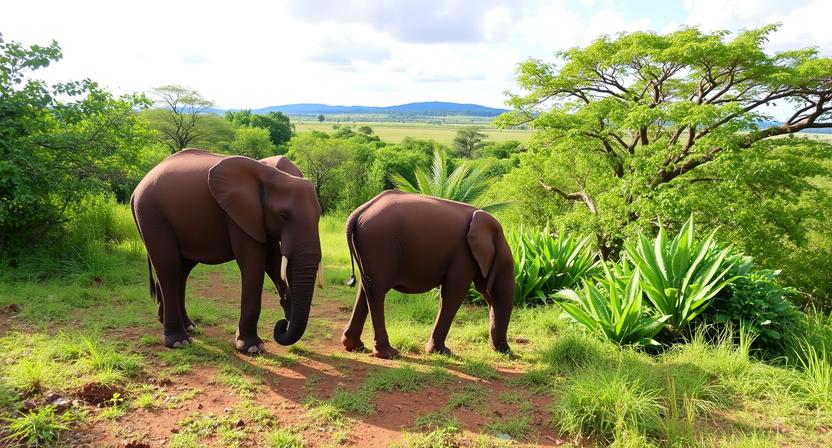
In line with its eco tourism commitment, Tanzania’s conservation institutions will recruit 700 new officers to ensure the protection of wildlife. This decision comes after 256 new rangers graduated from the Tanzania Wildlife Authority on February 2, 2026. This graduation is pivotal, as it bolsters the protection of the country’s natural resources, and ensures the sustainability of tourism for the country. This recruitment is part of the Sixth Phase Government under President Samia Suluhu Hassan’s pledge to strengthen and expand Tanzania’s conservation force. This will ensure Tanzania’s position as an eco-tourism frontrunner.
Strengthening Eco-Tourism Through Strategic Wildlife Protection
The additional 700 officers will help improve operational efficiency in safeguarding Tanzania’s national parks, game reserves, and protected areas—critical for eco-tourism growth. As a nation rich in biodiversity, including world-renowned wildlife like elephants, lions, and rhinos, Tanzania’s eco-tourism industry has become one of the key drivers of its economy. The expansion of the conservation workforce directly impacts Tanzania’s ability to maintain healthy ecosystems, which is essential for attracting eco-conscious tourists seeking authentic, responsible wildlife experiences.
Wildlife-based tourism, particularly in areas like the Serengeti National Park, Ngorongoro Crater, and Selous Game Reserve, is a cornerstone of the country’s tourism economy. By improving safeguarding efforts, Tanzania ensures that visitors can continue to experience its natural heritage, supporting sustainable eco-tourism growth while protecting the country’s valuable natural resources.
Eco-Tourism and Community Development Go Hand-in-Hand
The recruitment of additional conservation officers is expected to have a positive eco-tourism impact on local communities. As more trained professionals are deployed across the country’s protected areas, local populations will benefit from job creation and involvement in community-based conservation programs. These initiatives create a sustainable model where eco-tourism revenue supports both wildlife protection and economic development for nearby residents.
Advertisement
Advertisement
This expanded workforce can also help mitigate human-wildlife conflict, ensuring that eco-tourism activities do not disrupt local communities and wildlife habitats. The increased protection of wildlife areas, combined with sustainable tourism practices, offers a win-win solution for both the environment and local economies.
Aligning Eco-Tourism Growth with Global Sustainability Trends
Tanzania’s continued efforts to expand its conservation workforce reflect the growing importance of eco-tourism in the global travel industry. More international tourists are prioritizing sustainable and responsible travel experiences, making eco-tourism a key pillar of the country’s long-term tourism strategy. The country’s ability to safeguard its wildlife and preserve natural habitats enhances its reputation as a leading eco-tourism destination, attracting eco-conscious travellers from around the world.
Advertisement
Advertisement
The increased focus on eco-tourism also supports conservation efforts, promoting the sustainable management of biodiversity while minimizing the impact of tourism on vulnerable ecosystems. By aligning eco-tourism growth with regenerative practices, Tanzania is ensuring that its tourism industry remains resilient and that its natural heritage continues to thrive for generations to come.
Government Support for Sustainable Eco-Tourism Initiatives
The Tanzanian government has been actively involved in shaping eco-tourism policies that promote sustainable travel practices. Through initiatives like the Swahili Coast Conservation Plan, the government is investing in eco-tourism infrastructure, supporting local communities, and incentivizing conservation projects that align with eco-tourism objectives.
These initiatives are in line with global sustainability goals and aim to build long-term resilience in the country’s tourism sector. By expanding its conservation workforce and eco-tourism policies, Tanzania is positioning itself to capture rising demand for sustainable tourism, ensuring that eco-tourism becomes a critical driver of future growth for the country’s economy.
Eco-Tourism’s Long-Term Economic and Environmental Impact
The broader impact of this initiative is clear: sustainable eco-tourism is becoming an essential pillar of the country’s tourism economy, with significant contributions to GDP, foreign exchange earnings, and local development. By expanding the conservation workforce, Tanzania is ensuring that its eco-tourism sector remains competitive in a growing market, where travellers are more inclined to choose destinations that reflect environmental stewardship.
Moreover, the preservation of Tanzania’s natural environments will help sustain the ecological balance, supporting the longevity of its tourism market and enhancing the country’s reputation as a global leader in sustainable eco-tourism. As the region faces environmental challenges such as climate change and habitat loss, investing in eco-tourism provides a pathway to environmental protection, economic resilience, and social empowerment for local communities.
Tanzania’s Eco-Tourism Growth Is Key to Long-Term Tourism Resilience
Tanzania’s expanding conservation workforce and focus on eco-tourism offer promising prospects for the country’s sustainable growth in tourism. With the support of the government in the development of the country’s tourism infrastructure and protection of wildlife, Tanzania is positioning itself to be one of Africa’s leading eco-tourism hotspots. Tanzania’s adoption of responsible tourism ensures the country aligns with the global sustainable tourism framework and provides valuable experiences to tourists who are conscious of the environment.
The growth of Tanzania’s eco-tourism sector will positively impact the conservation of wildlife and the growth of the local economy. It will be a perfect case of tourism and conservation working for the benefit of future generations.
