Subscribe
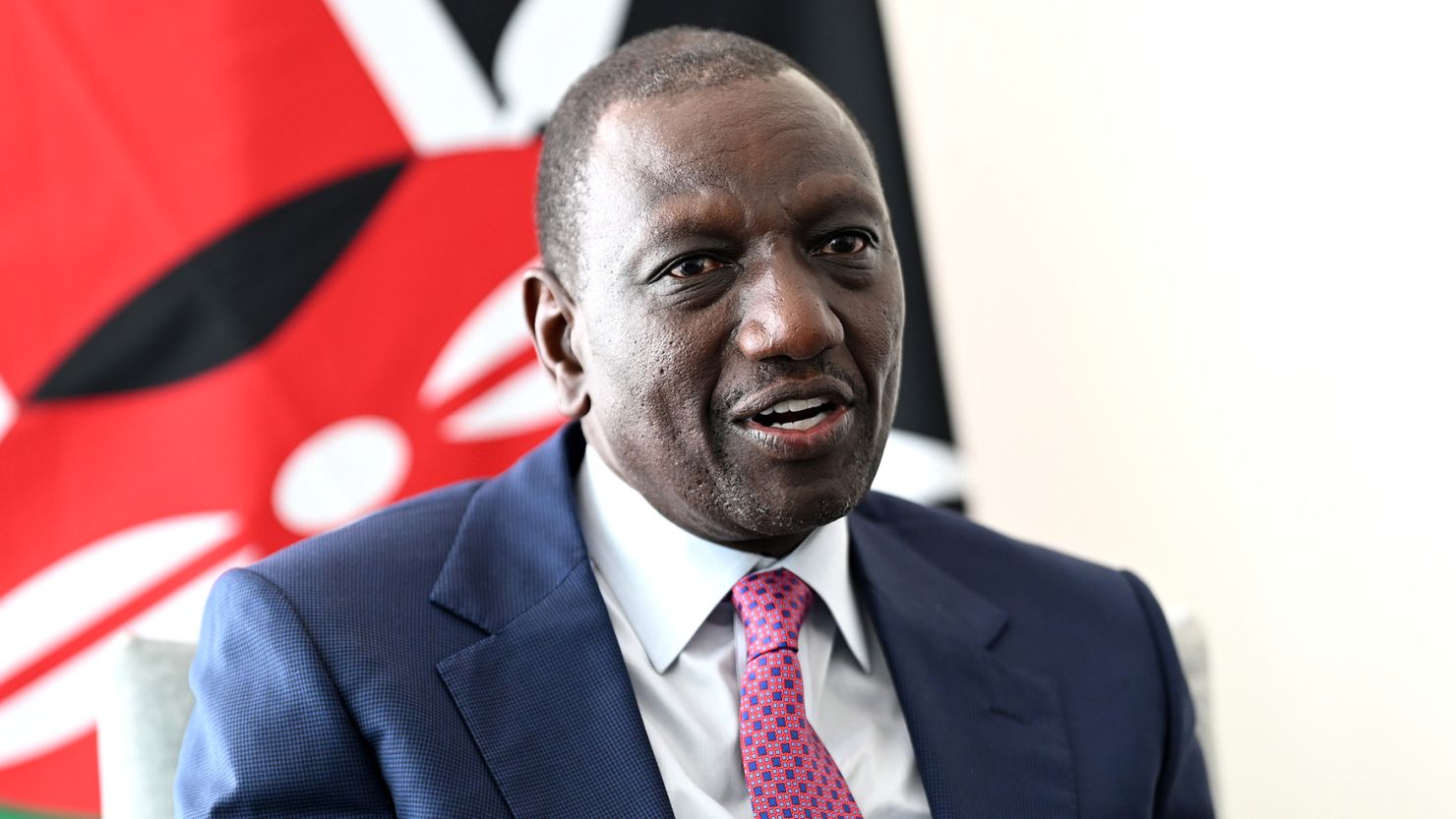
Kenya’s President William Ruto has announced a new package of tax relief measures aimed at easing the cost of living for low‑ and middle‑income earners, as the government moves to stabilise household finances and support economic growth.
Speaking on Tuesday, Ruto said the reforms are designed to increase disposable income, strengthen consumer confidence, and protect the purchasing power of ordinary Kenyans at a time of sustained economic pressure.
Under the proposed measures, individuals earning KSh30,000 and below per month will be fully exempt from income tax, while those earning up to KSh50,000 will see their tax rate reduced to 25 percent. This marks a significant shift from the current tax‑free threshold of KSh24,000.
According to the presidency, the changes will result in approximately 1.5 million Kenyans paying no income tax, while an additional 500,000 workers will benefit from reduced tax rates.
Boosting Household Income and Economic Activity
The government says the policy is intended to stimulate domestic consumption by allowing households to retain more of their earnings, thereby encouraging spending, saving, and investment.
High‑income earners will also benefit from the reforms, with the top income tax rate set to be capped at 30 percent, down from the current range of 32.5 to 35 percent. Officials argue that the adjustment will improve compliance, attract investment, and support long‑term economic expansion.
Kenya’s banking sector has previously raised concerns about declining purchasing power, noting that sustained pressure on household income has affected consumption, savings, and loan repayment across the economy.
Part of Broader Fiscal Reforms
The tax relief package forms part of wider fiscal reforms being pursued by the Kenyan government as it seeks to balance revenue generation with social protection and economic resilience.
The proposed changes will be submitted to parliament as part of the Tax Laws Amendment Bill, ahead of the presentation of the Finance Bill 2026 later this year.
Officials say the reforms reflect a broader shift in African economic policy, with governments increasingly prioritising household stability and inclusive growth amid global inflationary pressures and volatile external conditions.
If approved, the measures are expected to take effect later in 2026.
Kenya tax relief, Kenya cost of living, William Ruto, Kenyan economy, Kenya income tax, Kenya middle class, African economic policy, East Africa economy, Kenya tax reform 2026, Kenya inflation, disposable income Kenya, Kenya fiscal policy, African governance, Africa economic growth, Kenya parliament finance bill, Kenya tax exemption, Kenya low income earners, Kenya middle income earners, Kenya purchasing power, Kenya household income, Africanews Kenya, Kenya economic reform, Kenya tax cuts, Kenya development policy, East Africa fiscal reform, Kenya tax threshold, Kenya banking sector, Kenya consumer spending, Kenya investment climate, African leadership economy, Kenya social policy, Kenya wage earners, Kenya public finance, Africa macroeconomic reform, Kenya growth strategy, Kenya tax laws amendment bill, Kenya finance bill 2026, Kenya cost of living crisis, African middle class, Kenya governance reforms, Kenya economic resilience, sub‑Saharan Africa economy, Africa policy reform, Kenya tax relief impact, Kenya inflation control, Kenya economic outlook
Related