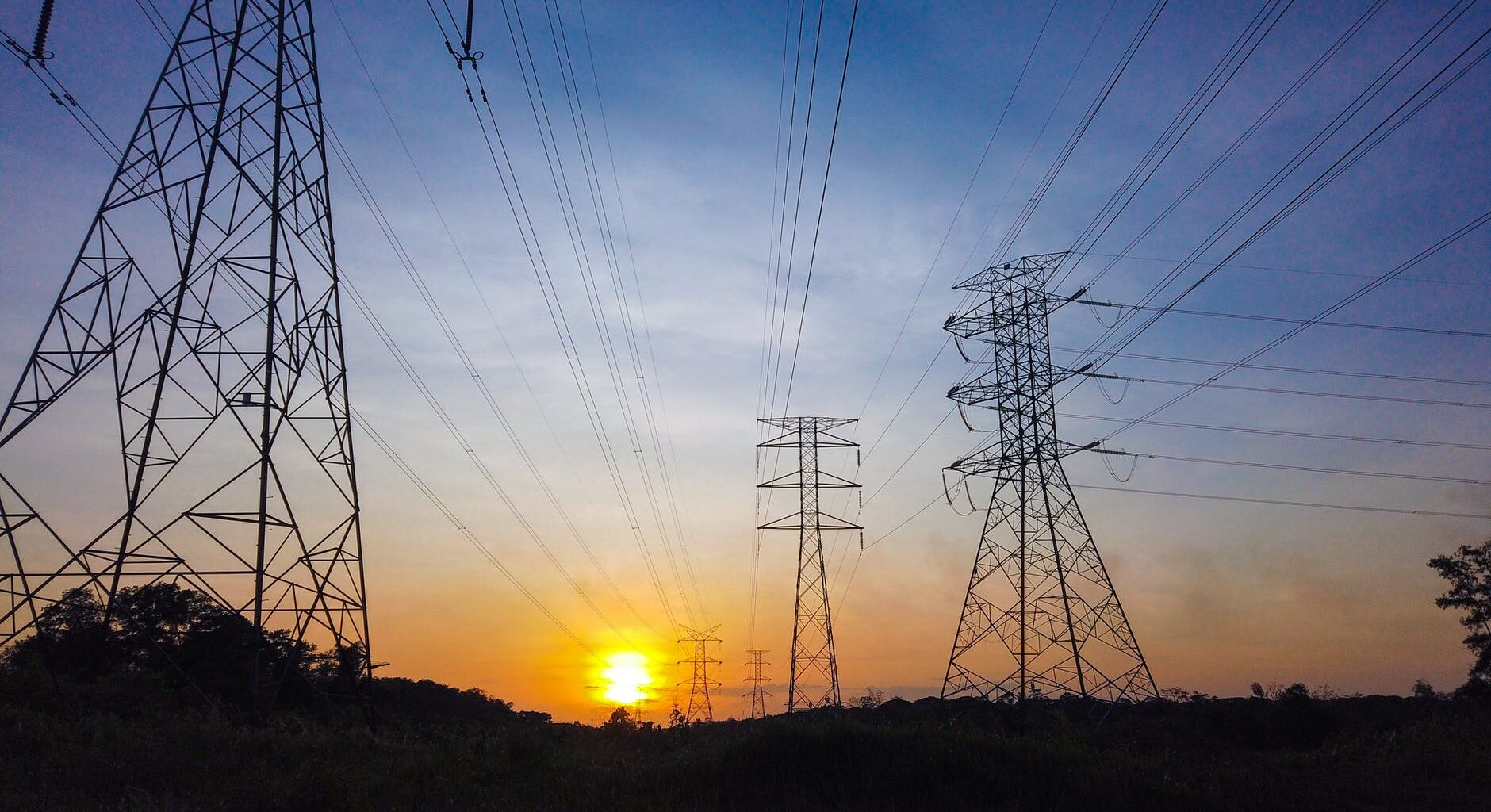
 Representational image. Credit: Canva
Uganda has taken a significant step toward strengthening its power sector with the official launch of the Amari Power Transmission project, a landmark initiative aimed at modernizing the country’s electricity grid. The project is being developed through a partnership between the Government of Uganda and Gridworks, a UK-backed power infrastructure investor. It is notable as the first privately led power transmission project in sub-Saharan Africa to reach the construction stage.
On February 4, 2026, key agreements were signed to formally move the project into implementation. These included an implementation agreement with the Ministry of Energy and Mineral Development and a transmission services agreement with the Uganda Electricity Transmission Company Limited (UETCL). With these agreements in place, the $50 million project has received full approval to begin construction.
The Amari Power Transmission project will focus on upgrading four major high-voltage substations that play a critical role in Uganda’s national grid. In eastern Uganda, the Tororo substation near the Kenyan border will be upgraded to improve cross-border power flows. In western Uganda, upgrades will be carried out at the Nkenda substation, which is a key point for electricity trade with the Democratic Republic of Congo. Additional improvements will be made at the Mbarara North and Mbarara South substations. Together, these upgrades are expected to ease congestion in the grid and improve overall system performance.
By increasing the capacity and reliability of these substations, the project aims to address long-standing transmission bottlenecks that have limited power delivery in several regions. Industrial users are expected to benefit from a more stable and better-quality electricity supply, which is essential for manufacturing, mining, and other energy-intensive activities. Improved grid performance is also expected to support Uganda’s broader economic and industrial development goals.
The project will also support Uganda’s clean energy transition. A stronger transmission network will make it easier to integrate renewable energy sources such as hydropower and solar power into the grid. In addition, the upgrades are expected to reduce electricity losses during transmission, improving overall efficiency and lowering costs over time.
Minister of Energy and Mineral Development Ruth Nankabirwa described the Amari project as a strategic part of Uganda’s industrialization plans. She highlighted the importance of using private investment to speed up critical infrastructure development that can be challenging to fund through public resources alone.
Gridworks, which is backed by British International Investment, sees the Amari project as a model for future private investment in African power transmission. If successful, it could encourage similar projects across the continent. Construction of the project is expected to take around two and a half years to complete.
Like this:
Like Loading…
Related
Discover more from SolarQuarter
Subscribe to get the latest posts sent to your email.