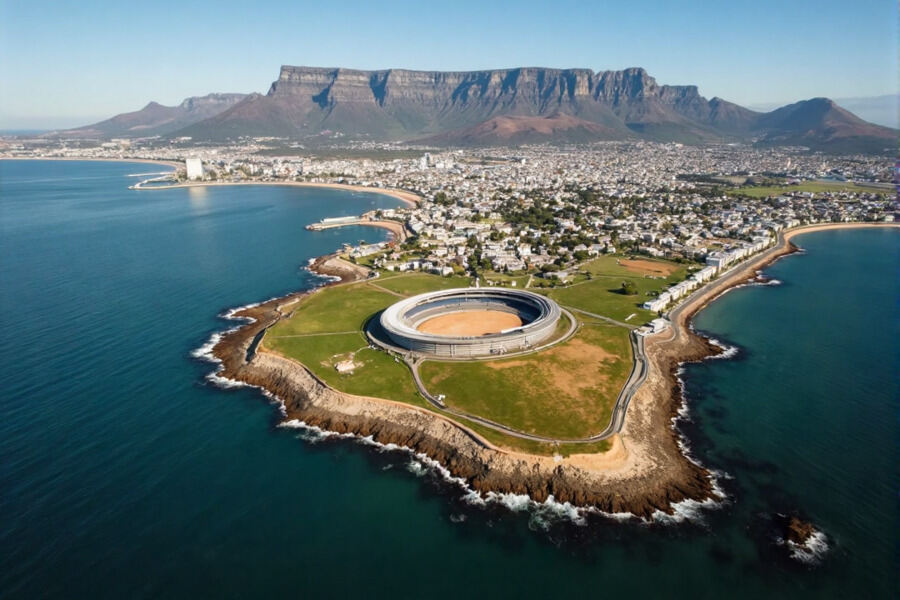
Home » TOURISM NEWS » South Africa Joins United States, United Kingdom, Italy, Germany, Switzerland, Austria, Spain, And More In Setting New Tourism Milestones With Explosive Growth In 2025
Published on
February 5, 2026
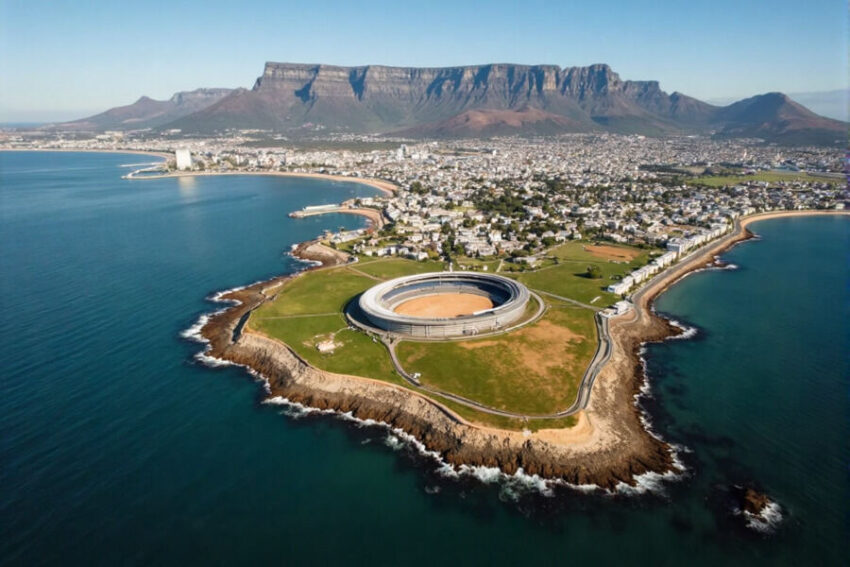
In 2025, South Africa has joined a growing list of global destinations experiencing explosive growth in tourism, alongside countries like the United States, United Kingdom, Italy, Germany, Switzerland, Austria, Spain, and many others. This surge in tourism is a testament to South Africa’s ability to captivate international travelers with its diverse offerings, from its iconic landscapes to vibrant cities, rich culture, and unique wildlife experiences. As nations across the world see a rebounding tourism industry, South Africa stands out by tapping into its robust tourism infrastructure, making it a top choice for global visitors. This article explores how South Africa’s remarkable tourism growth in 2025 is setting new milestones and further solidifying its place on the global map as a premier travel destination.
South African Tourism, with its strategically placed regional hubs in Europe, has played a key role in driving marketing and trade initiatives that have contributed to significant growth in visitor arrivals. The tourism figures from Europe reflect both a sustained demand for South Africa as a long-haul destination and the success of targeted engagement in key European markets. The efforts to engage travelers have proven successful, reinforcing South Africa’s position as an attractive destination and driving its recovery and growth in 2025.
The United Kingdom emerged as South Africa’s largest source market, surpassing the United States for the first time in recent years. With a remarkable 15.4% increase in arrivals from the UK, the country’s growing interest in South Africa reflects the increasing recognition of the destination’s diversity, wildlife, culture, and natural beauty. Ireland also demonstrated a positive trend with a 9.5% growth in arrivals, further solidifying South Africa’s appeal in the region.
The positive performance of these markets is a result of strategically planned campaigns, tailored to resonate with the specific preferences of European travelers. These results are a testament to the importance of local, relevant marketing initiatives, with an emphasis on creating lasting connections between European travelers and the unique experiences South Africa offers.
The regional general manager for Europe at South African Tourism shared insights into the overall impact of these results, highlighting the fact that sustained demand and increased visibility have been achieved through targeted campaigns that speak directly to potential travelers’ needs and desires. Europe has proven to be a critical region in South Africa’s tourism strategy, as it continues to fuel the country’s tourism recovery and growth in 2025. With Europe as a central hub for outbound travel, the region has helped propel South Africa’s tourism industry to new heights.
Central Europe has been a standout performer, with countries like Germany, Switzerland, and Austria seeing notable growth in traveler arrivals. Germany recorded a 14% increase in visitors, while Switzerland grew by 13.2%, and Austria experienced a remarkable rise of 15.6%. These results were driven by focused campaigns and partnerships with key travel agents, tour operators, and other industry stakeholders. By keeping South Africa visible in the portfolios of European travel agents and ensuring that South African destinations remain top of mind for potential travelers, South African Tourism has successfully attracted a growing number of visitors from this region.
Advertisement
Advertisement
In Central Europe, the efforts focused not only on boosting awareness of South Africa’s iconic destinations like Cape Town and Kruger National Park, but also on promoting lesser-known gems that offer unique experiences. Special attention was given to promoting cultural tourism, wildlife safaris, and adventure travel, all of which resonate strongly with German, Swiss, and Austrian travelers who seek immersive and meaningful experiences.
Northern Europe also saw promising growth, with countries such as the Netherlands, Belgium, and Sweden achieving impressive increases in visitor numbers. The Netherlands, in particular, saw a 6% growth, bringing it very close to pre-pandemic levels with 97% of its 2019 arrival figures. Belgium, meanwhile, enjoyed a 10.9% increase in visitors, while Sweden’s growth reached 12.5%. These positive results were attributed to the strategic initiatives taken by South African Tourism’s Northern Europe hub. Among the key initiatives was participation in major tourism events, such as the Vakantiebeurs event in the Netherlands, which helped to raise South Africa’s profile among Dutch travelers. Additionally, the “Come Find Your Joy” Roadshow, which visited seven cities across Northern Europe, created an interactive and engaging experience for both trade partners and travelers. The roadshow’s ability to connect South African tourism products directly with 240 trade partners proved particularly effective in building new relationships and increasing exposure for South African destinations.
The initiative provided valuable networking opportunities for South African tourism products, ranging from safaris to cultural experiences, which resonated with Northern European travelers. By connecting directly with trade partners, South African Tourism was able to further increase the visibility of South Africa in Northern Europe, strengthening its position in the market.
Meanwhile, Southern Europe also experienced healthy growth, although with some variation across markets. France saw a 7.3% increase in visitor numbers, while Italy experienced a 10.2% rise, and Spain saw an 8.2% growth. These figures demonstrate that the appeal of South Africa is strong across the region, with travelers from Southern European countries continuing to seek out the diverse offerings of South Africa. The growth in these markets can be attributed to targeted marketing campaigns, cultural exchange initiatives, and ongoing trade advocacy that has built awareness and excitement around South Africa.
One significant event that contributed to the growth in Southern Europe was the 50th Selectour Congress, held in Cape Town. This event helped to strengthen South Africa’s visibility and position within the trade sector, particularly in the French market. The congress attracted travel agents, tour operators, and other industry professionals, providing an opportunity to showcase South Africa’s offerings to a broader audience. These efforts, combined with other promotional activities such as media campaigns and partnerships with travel influencers, have successfully fueled the growth in Southern Europe.
Despite the overall growth, Portugal saw a slight decline of 0.2%, indicating that while South Africa remains an attractive destination for Southern European travelers, there are varying levels of engagement in different markets. South African Tourism continues to monitor these markets and tailor its efforts accordingly, ensuring that every European region is effectively targeted to optimize results.
In 2025, South Africa joins leading countries like the United States, United Kingdom, and Italy in setting new tourism milestones, driven by its unique blend of world-class safaris, vibrant cities, and rich cultural heritage, along with strategic investments in tourism infrastructure. This explosive growth highlights South Africa’s increasing appeal as a top global travel destination.
Overall, South Africa’s tourism success in Europe reflects a combination of sustained demand, strategic campaigns, and locally relevant initiatives that have been expertly executed through regional hubs. By targeting both traditional markets and emerging markets, South African Tourism is helping to ensure that South Africa remains an essential destination for European travelers, contributing significantly to the country’s tourism growth in 2025. As the tourism industry continues to evolve, the importance of these targeted marketing efforts cannot be overstated, as they remain vital to driving continued success in international tourism markets.
