Home » Latest Travel News » South Africa Joins Nigeria, Ghana, Morocco, Ethiopia, Algeria, and Others in Africa Facing Stricter US Visa Scrutiny as Government Takes New Measures to Prevent Birth Tourism in 2026: Everything You Need to Know
Published on
January 6, 2026
In 2026, South Africa joins Nigeria, Ghana, Morocco, Ethiopia, Algeria, and other African nations in facing heightened US visa scrutiny as the U.S. government enforces stricter measures aimed at preventing birth tourism. These new policies are impacting a wide range of travelers, particularly those applying for B‑1/B‑2 visas, which are commonly used for tourism, business, and family visits. The stricter vetting includes longer processing times, more detailed background checks, and increased requirements for documentation to prove non-immigrant intent.
While Morocco is not directly included in the countries subject to full or partial visa suspensions, it is experiencing significant indirect effects due to the enhanced scrutiny. Like other nations, Moroccan applicants are now encountering more rigorous assessments, leading to longer wait times and more frequent requests for additional paperwork—particularly proof of financial stability and clear travel intent. These measures are part of a broader U.S. effort to ensure that visitors are not entering the country with the primary intent of giving birth, which has prompted the tightening of visa policies for a growing list of African countries. This article delves into the impact of these changes on travelers from Morocco and other affected nations, explaining what prospective applicants need to know in light of these new restrictions.
South Africa — Visa Delays and Deeper Scrutiny for Tourists
South Africans are experiencing similar outcomes to Moroccans and Ghanaians — while they are not directly named on the U.S. partial or full suspension list, they are nonetheless caught up in enhanced vetting processes that affect many African nations. U.S. embassies are subjecting B‑1/B‑2 visa applicants from South Africa to more rigorous background checks, longer interview wait times, and frequent requests for supporting documentation to rule out birth tourism intent.
For South African families planning to visit the U.S., these changes mean additional administrative steps: proving stable employment, evidence of return tickets, detailed itineraries, and in some cases, statements from employers or community leaders. Because CBP officers at U.S. ports of entry are also increasing scrutiny — including financial vetting and proof of sufficient funds to cover medical care without relying on public assistance — South Africans may encounter secondary inspections at arrival if officers suspect an improper intent. While not formallyblocked, the friction in the visa and entry process is rising, making travel planning more complex and uncertain for South African nationals.
Nigeria — Partial Visa Suspension and Severe Travel Roadblocks
For Nigerian nationals, the 2026 U.S. visa landscape has become considerably tougher. Nigeria is among the African countries subject to partial suspension of B‑1/B‑2 nonimmigrant visa issuance under Presidential Proclamation 10998. This means that U.S. consulates may refuse or delay visitor, student, and exchange visas for many applicants, though some exceptions remain.
These measures amplify the Biden‑era policy to prevent misuse of B visas for purposes like birth tourism. Consular officers are now mandated to deny a visitor visa if they suspect the primary travel intent is to give birth in the U.S. Nigerian applicants must now provide higher standards of proof — such as strong economic ties, fixed travel plans, and proof of financial support — to avoid suspicion of birth tourism. Moreover, even valid visas may face much shorter validity periods (e.g., single‑entry, 90‑day limits) and extremely stringent interview scrutiny. Given Nigeria’s inclusion on the partial suspension list, many Nigerians outside the U.S. without previously valid visas may be blocked from visiting entirely unless special waivers or case‑by‑case exemptions are granted.
Ghana — Rising Barriers, Even Without Suspension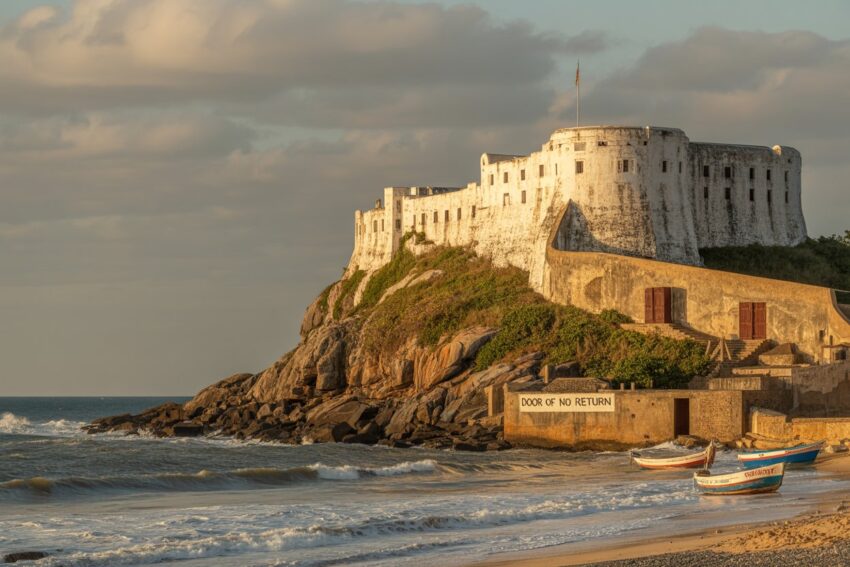
Ghana is not listed among countries with partial or full visa bans, but the new U.S. policy environment still affects Ghanaian travelers significantly. Like Morocco, Ghana has seen longer wait times and heightened vetting at U.S. consulates, especially for B‑1/B‑2 visas that are frequently used for tourism, short‑term study, and business. Enhanced digital checks, social media disclosures, and more stringent interviews are now common.
Ghanaians planning U.S. travel — whether for tourism, visiting family, or education — must be prepared to demonstrate clear travel intent and strong economic/social ties to their home country. Even though Ghana is not on the partial suspension list, the ripple effects of U.S. policy have raised administrative hurdles. For example, applicants may be asked for detailed financial records, medical insurance proof, or strong evidence that childbirth is not a motive for travel, as CBP and consular officers increasingly screen for any indirect signs of potential birth tourism. This can translate to longer wait times and more frequent secondary review requests, adding cost and uncertainty for Ghanaian travelers.
Morocco — Facing Backlogs and Heightened Vetting in US Visa Processing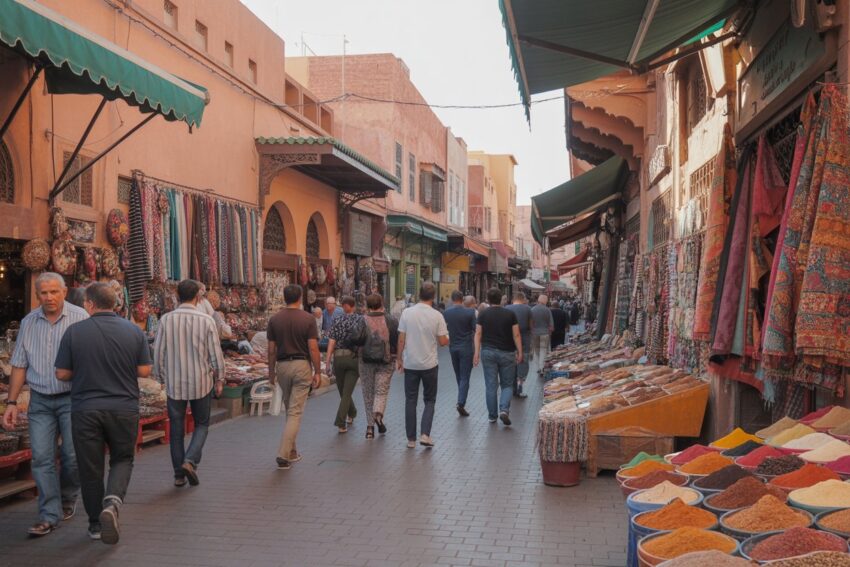
Morocco is not on the list of African countries with a full or partial visa suspension under the new U.S. travel restrictions, but it is experiencing significant indirect impacts due to the U.S. tightening of B‑1/B‑2 and other nonimmigrant visa scrutiny. Moroccan applicants are reporting extended processing times, especially for visitor (B‑1/B‑2), student, and work visas, as U.S. embassies apply enhanced security checks, digital background reviews, and stricter intent assessments.
These delays mean that Moroccans planning to travel to the U.S. for legitimate tourism, education, or business may face months of waiting and additional documentation requests — particularly to prove financial stability and non‑immigrant intent. Consular officers now have broader authority to judge whether a traveler’s purpose is genuine, which can lead to higher refusals or visa denials if the applicant cannot sufficiently demonstrate they are not traveling to give birth in the U.S. While Moroccan nationals are not barred, the visa journey has become more arduous. Prospective travelers should prepare for supplemental interviews, proof of ties to Morocco (employment, property, family), and evidence of travel plans to avoid misclassification as a birth tourism applicant.
Ethiopia — Growing Administrative Burdens and Visa Backlogs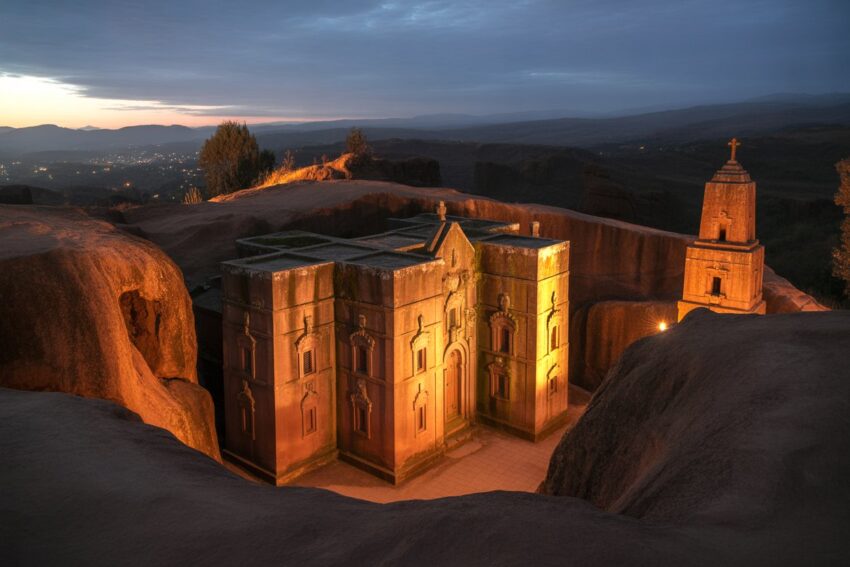
Ethiopia, though not subject to a formal partial suspension like Nigeria, is among the African countries where U.S. visa processing times have increased sharply due to security “vetting deficiencies” and stricter consular standards. Ethiopian nationals applying for B‑1/B‑2 visas now face longer interview wait times, more in‑depth background checks, and elevated proof requirements to establish lawful travel intent.
In effect, this U.S. policy shift means that Ethiopians hoping to travel for tourism, business, or family reasons must prepare more comprehensive documentation than before: bank statements, fixed itineraries, medical insurance, and evidence of strong community and economic ties at home. Consular officers are now more likely to flag ambiguous applications for additional scrutiny or denial if they cannot clearly rule out purposes like birth tourism. At the border, Customs and Border Protection may also demand proof of financial ability to cover any medical services, further complicating travel for pregnant women or those nearing childbirth. Ultimately, Ethiopians face greater uncertainty, longer processing cycles, and heightened likelihood of secondary review throughout the visa process.
Algeria — Increased Refusal Rates and Stricter Visa Criteria
Algerian travelers are in a position similar to other non‑suspended African nations: higher visa refusal rates and tougher scrutiny for B‑1/B‑2 applications. Algeria does not face outright visa issuance suspension in the U.S. policy, but it has seen elevated refusal rates in recent years — a metric used by the U.S. State Department to judge eligibility for visa programs and vetting thresholds.
Under the new birth tourism deterrent efforts, Algerian applicants must be ready to provide robust proof of travel purpose and intent to return home. This includes stronger financial documentation, clear plans for tourism or business, and detailed evidence that travel is unrelated to childbirth. Because consular officers have discretion to deny on “reason to believe” grounds, even Algerians with legitimate travel goals could face denial or repeated interviews if documentation is deemed insufficient. This adds time, cost, and uncertainty to traveling to the U.S., even though Algerians are not currently listed under the strictest visa suspension categories.
Birth Tourism Measures: Stricter Visa Scrutiny and Documentation Requirements
In January 23, 2020, the U.S. government has intensified its efforts to combat birth tourism, a practice where foreign nationals travel to the U.S. to give birth, thereby granting their child U.S. citizenship. As part of this crackdown, stricter visa measures have been introduced for travelers applying for B‑1/B‑2 visas, which are typically used for tourism, business, and short-term stays. These new policies involve longer processing times, more rigorous background checks, and an increased need for applicants to provide extensive documentation. Applicants must now offer stronger proof of non-immigrant intent, including evidence of financial stability, ties to their home country, and detailed travel plans. Consular officers are empowered to refuse or deny visas if they suspect birth tourism as the primary reason for travel. These heightened measures have created additional barriers for legitimate travelers, resulting in longer wait times and more stringent requirements to prove the genuine intent of their visit.
In 2026, South Africa joins Nigeria, Ghana, Morocco, Ethiopia, Algeria, and others facing stricter U.S. visa scrutiny. New measures aim to prevent birth tourism, leading to longer processing times and more documentation.
Conclusion
South Africa’s inclusion alongside Nigeria, Ghana, Morocco, Ethiopia, Algeria, and others in Africa facing stricter U.S. visa scrutiny underscores a significant shift in U.S. immigration policy. The new measures, aimed at preventing birth tourism, are designed to ensure that travelers’ intentions align with the purpose of their visit, such as tourism, business, or education, rather than giving birth in the U.S. As these countries, including Morocco, navigate the increased vetting processes, applicants must be prepared for longer wait times, additional documentation, and heightened scrutiny during the visa application process. These changes are part of the broader U.S. government effort to curb the misuse of tourist visas, and travelers from affected countries must now adapt to a more rigorous and time-consuming process to enter the U.S.
