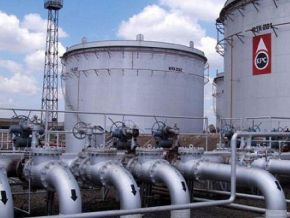
Kenya Pipeline Company will list on the Nairobi Securities Exchange by the end of January 2026.
The IPO targets local and foreign investors as part of a broader state privatization drive.
The government aims to deepen domestic capital markets and reduce reliance on external debt.
President William Ruto said on Monday, Jan. 5, that Kenya Pipeline Company, which operates petroleum transport and storage infrastructure in Kenya and across East Africa, will join the Nairobi bourse before the end of the month. The listing forms part of a wider plan to privatize selected state-owned enterprises.
“We said the shares will be sold to everyone. Even if you only have 200 or 300 shillings, come and buy, so that when profits are announced, you can benefit,” Ruto said at an event in West Pokot county in northwestern Kenya. He said the IPO will allow ordinary citizens to own stakes in one of the country’s most profitable public companies.
The president said the transaction fits into a broader government strategy designed to “unlock the value of public assets, deepen financial markets and ensure that ordinary citizens benefit from the fruits of economic growth.”
Ruto said the Kenyan state will retain a significant stake in Kenya Pipeline Company to “protect national interests.” At the same time, the listing will open the company’s shareholding to foreign investors, including partners from other East African countries such as Uganda. He said this participation will “strengthen regional cooperation in strategic energy infrastructure.”
In July 2025, Ruto said his administration planned to privatize state-owned companies through stock market listings to attract more private-sector investment, improve domestic capital market efficiency and reduce dependence on external borrowing. Since taking office in August 2022, he has focused on cutting Kenya’s external debt by tapping domestic capital markets and concessional loans from multilateral lenders.
This approach contrasts with the strategy pursued under former president Uhuru Kenyatta, when Kenya relied heavily on international markets and Chinese financing to fund large-scale infrastructure projects. The partial divestment of state-owned enterprises now stands as a key pillar of the government’s domestic resource mobilization strategy.
Walid Kéfi