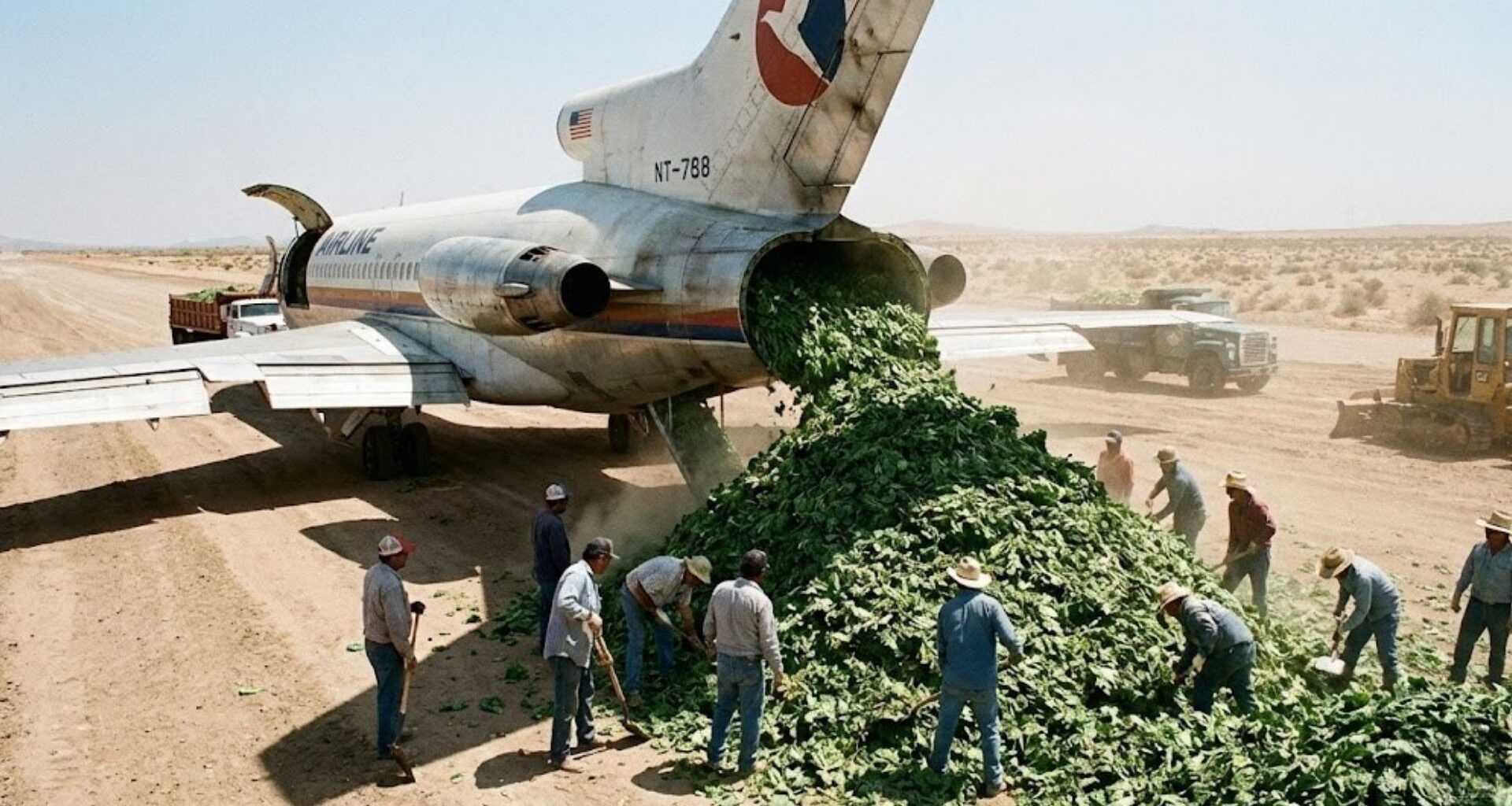
Namibia possesses some of the largest mineral assets on the African continent, with significant production of uranium and diamonds, including from offshore operations.
Nevertheless, the country faces structural difficulties in ensuring food security and productive stability.
The main reason lies outside the subsoil: water scarcity and limited arable land They impose persistent obstacles to the expansion of the agricultural sector.
— ARTICLE CONTINUES BELOW —
Are you in favor of US military intervention in Venezuela and the arrest of Nicolas Maduro?
— Click Oil and Gas (@clickpetroleoeg) January 3, 2026
In this context, recent projects have begun testing the use of marine biomass as an input for the recovery of degraded soils, taking algae cultivated in the ocean to arid inland areas.
Although mining sustains a significant part of the national economy, regional development experts point out that Dependence on mineral resources does not solve problems related to food production..
Most of Namibia’s territory presents severe restrictions for cultivation, with intermittent rivers and irregular rainfall.
Data cited in studies and technical reports indicate that Only about 1% to 2% of the country has suitable characteristics for conventional agriculture..
Agricultural limitations in a mineral-rich country
The contrast between mineral abundance and agricultural fragility becomes more pronounced when observing territorial dynamics.
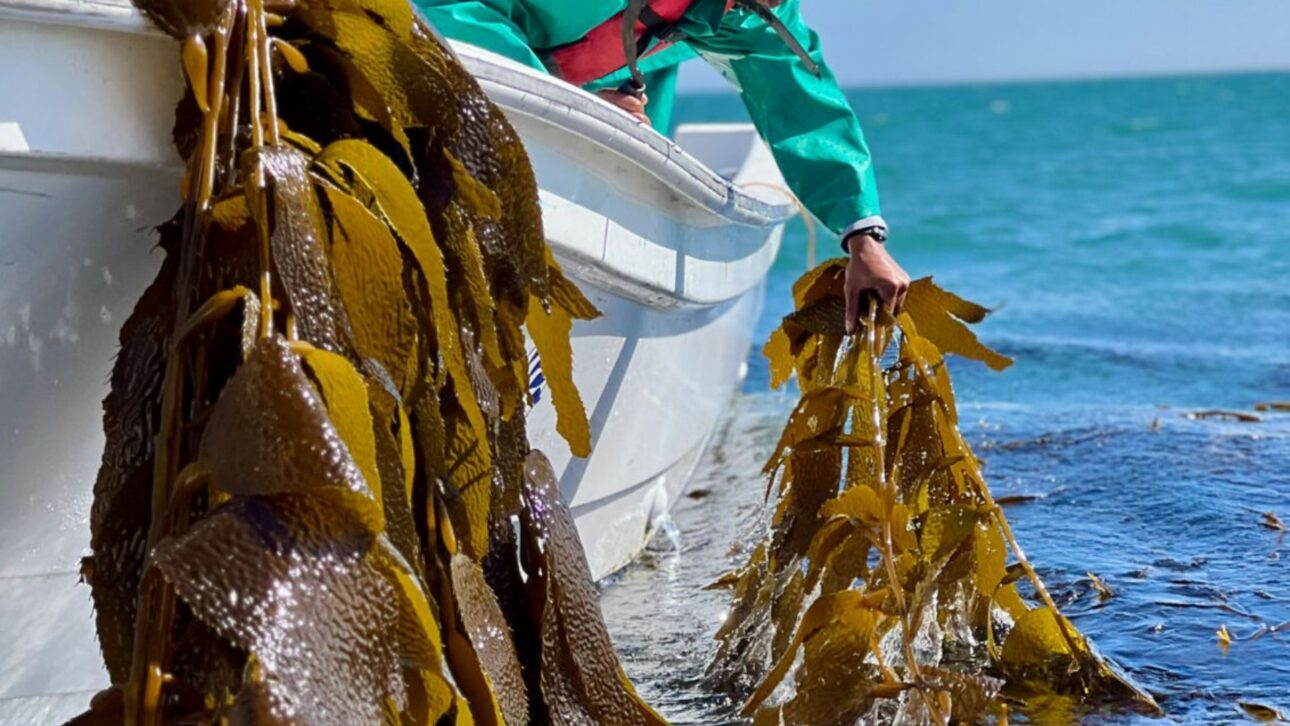 Namibia is testing the use of seaweed to restore desert soils, increase agricultural production, and reduce dependence on imported inputs.
Even outside of formal desert areas, large expanses have poor soils, subject to erosion and continuous nutrient loss.
In transitional regions, the advance of dunes and the action of winds reduce the stability of the terrain, making long-term agricultural management difficult.
Furthermore, demographic analyses show that Namibia’s population continues to grow.This increases the pressure on an already limited production system.
According to international organizations that monitor the country, The expansion of agriculture faces a physical limit.since new fertile areas are scarce and irrigation depends on limited water sources.
In this context, the search for technical alternatives has come to be treated by researchers and public policy makers as a strategic necessity.
Namib Desert and extreme weather conditions
Along the Atlantic coast, the Namib Desert is identified by climatological studies as one of the driest environments on the planet.
In some areas, the recorded annual rainfall is below 10 millimeters, a value lower than that observed in other known deserts.
Under these conditions, life depends less on rain and more on the humidity brought by coastal fog, a phenomenon associated with the cold Benguela Current.
The combination of low soil moisture, strong sunlight, and large temperature variations makes it difficult to maintain organic matter.
Even when water is supplied, rapid infiltration and evaporation reduce crop efficiency.
Agricultural technicians working in the country point out that, Without structural intervention in the soil, conventional fertilizers tend to show limited results..
Benguela Current and marine productivity
In contrast to the arid continent, the adjacent ocean exhibits high biological productivity.
The cold Benguela Current promotes the upwelling of nutrients, creating favorable conditions for algae growth along the southern coast of Africa.
Marine researchers describe this region as one of the richest in biomass in the South Atlantic.
Based on this characteristic, pilot projects began cultivating algae in submerged structures, focusing on utilizing the biomass for different purposes.
Among the species used, the Macrocystis pyriferaKelp, also known as giant kelp, is cited in scientific literature for its rapid growth in nutrient-rich environments.
The proposal advocated by the companies and research centers involved is to transform part of this biomass into agricultural inputs capable of… to improve the physical structure of the soil, increase water retention, and stimulate underground biological activity..
Seaweed farms and industrial processing
On the coast near the city of Lüderitz, the company Kelp Blue reported having installed… an experimental algae farm with over 30 hectares in operation.
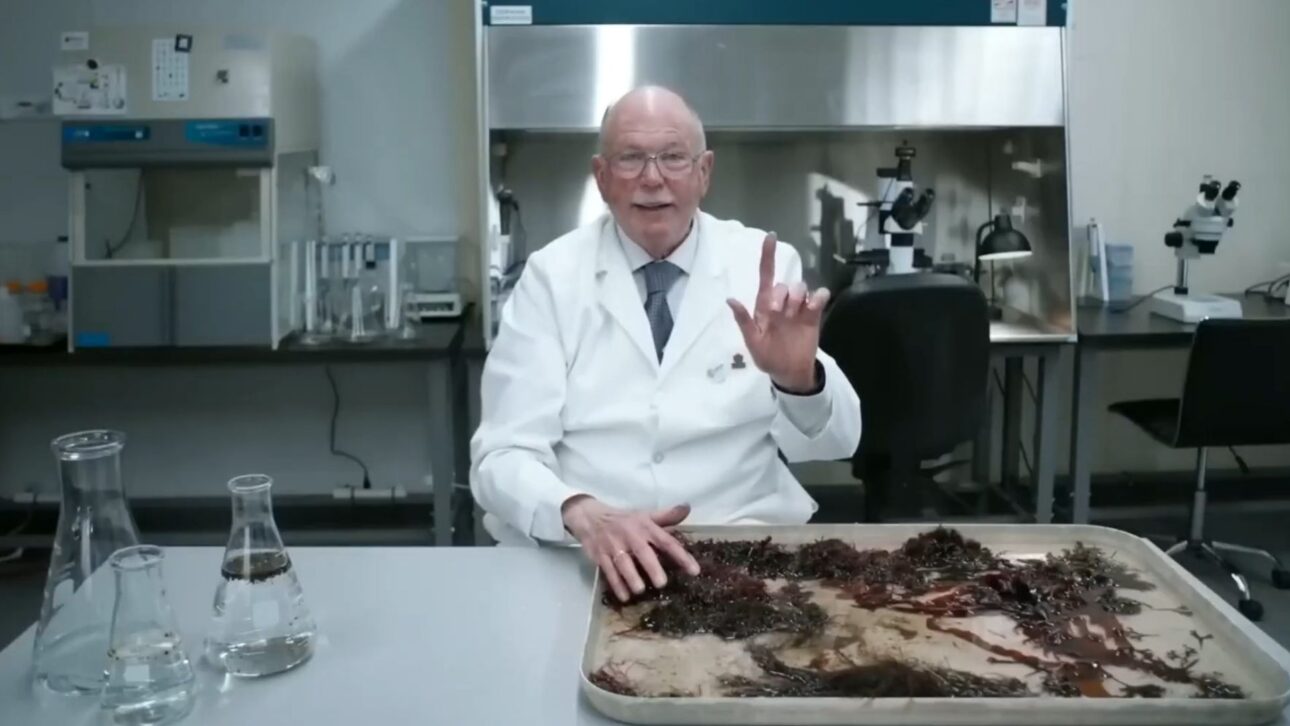 Namibia is testing the use of seaweed to restore desert soils, increase agricultural production, and reduce dependence on imported inputs.
According to descriptions released by the company itself, the system uses submerged lines fixed to the seabed, allowing for partial harvesting of biomass without complete removal of the plants.
After extraction, the material is sent for processing on land, where it undergoes cleaning and transformation stages.
The stated objective is to produce organic compounds and biostimulants for agricultural use.
Technicians involved in the project state that these products can contribute to to improve moisture retention and reactivate microbial processes in degraded soils..
Independent experts, however, emphasize that the results still depend on continuous monitoring and larger-scale assessments to prove consistent long-term impacts.
Scientific debate on marine carbon
In addition to its agricultural use, algae cultivation has been associated with discussions about carbon sequestration in the marine environment.
Some scientific literature acknowledges that kelp forests absorb carbon dioxide during their growth.
On the other hand, environmental organizations and researchers warn that Most of this carbon can return to the system through the decomposition of biomass., which limits the potential for permanent storage.
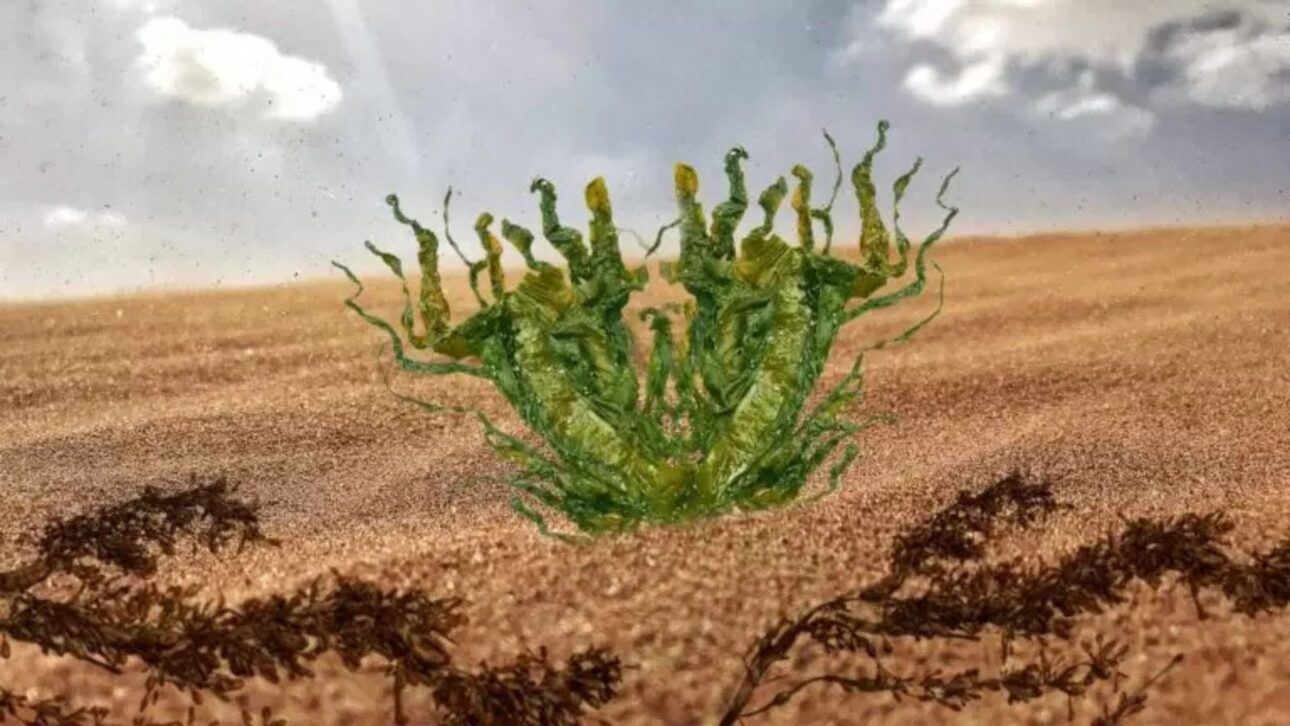 Namibia is testing the use of seaweed to restore desert soils, increase agricultural production, and reduce dependence on imported inputs.
This debate has gained traction primarily in Europe and the United States, where marine carbon credit projects are being analyzed cautiously.
In the case of Namibia, industry representatives say the focus remains on direct effects, such as coastal job creation and supply of inputs for local agriculture..
Experiments with algae in East Africa
The use of algae as an economic alternative is also emerging in other African countries.
In Kenya, international news reports indicate that coastal communities have expanded farming after successive agricultural losses associated with drought.
In 2022, national production was estimated at about 100 tons, with exports destined for markets such as China, France, and the United States.
In Tanzania, the sector is on a larger scale.
Data from international organizations and local government indicate that Tens of thousands of farmers participate in the production chain., especially in coastal regions and in Zanzibar.
Industry analysts point out that the activity has gained relevance because it requires few inputs besides seawater and labor, making it accessible in areas with severe agricultural limitations.
Algae as an alternative to single-use plastics
In Namibia, recent public policies aimed at reducing single-use plastics have increased interest in alternative materials.
Official information indicates that Plastic straws were banned starting January 1, 2024., While Disposable plastic bottles will become subject to restrictions starting in 2025..
In this context, academic research and industrial partnerships are investigating the use of algae derivatives in biodegradable coatings for packaging.
Studies conducted by universities and biomaterials companies describe compounds capable of replacing plastic layers in papers used for food, while maintaining resistance to grease and moisture.
Researchers involved say that the advancement of these initiatives depends on further testing and economic viability on an industrial scale.
With projects at different stages and results still under evaluation, algae cultivation has become part of the debate on How can countries with arid territories diversify their productive base without increasing pressure on scarce water resources?And to what extent will this marine biomass be able to establish itself as a stable tool for tackling agricultural and environmental challenges in desert regions?