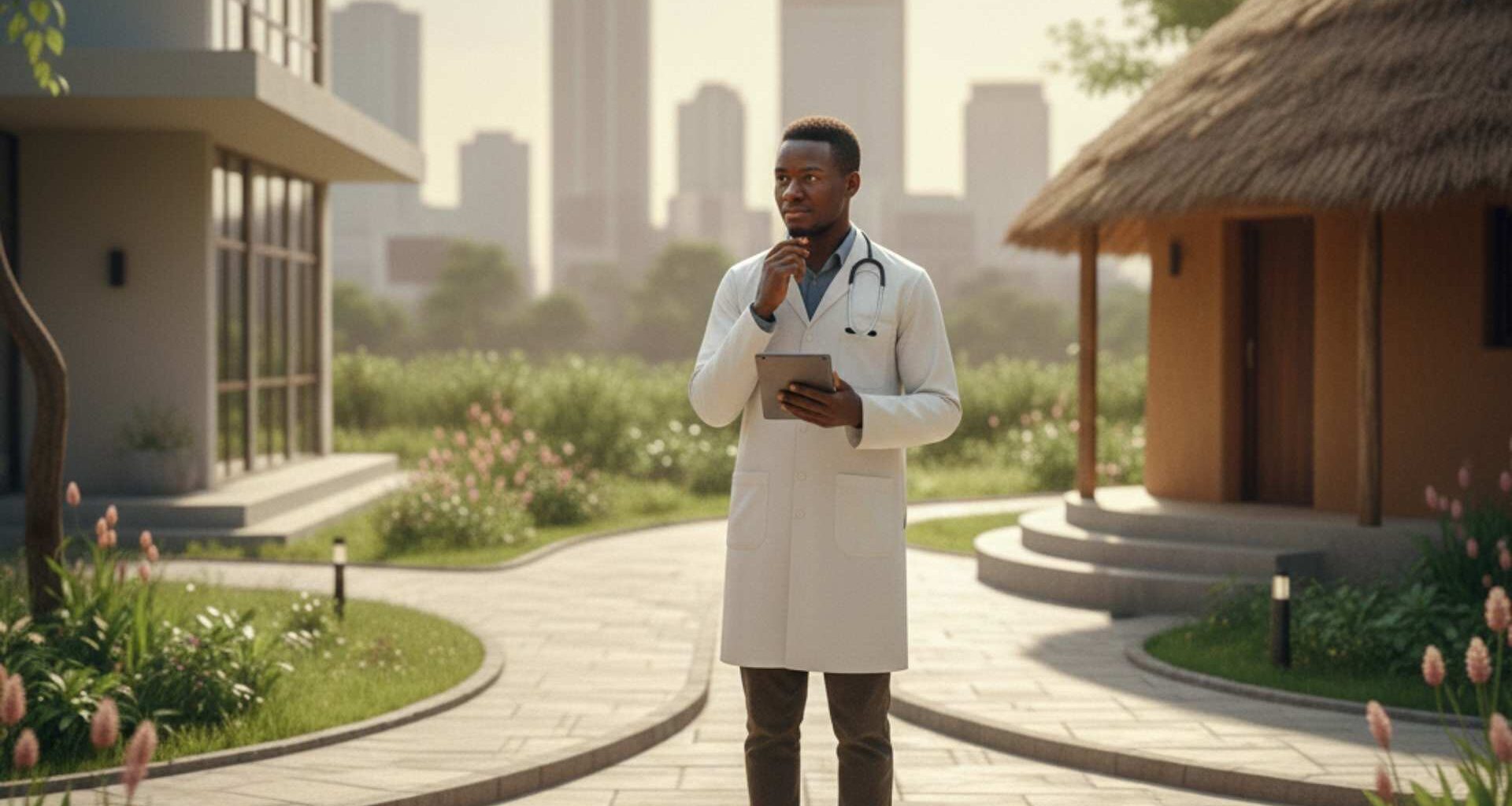
Kenya, January 06 2026 – The Kenyan government has unveiled an ambitious plan to integrate traditional medicine into the mainstream healthcare system by 2028, marking a major shift in how the country approaches healthcare delivery, regulation and cultural heritage.
The move aims to transform a long-standing informal practice into a regulated, evidence-based and collaborative health sub-sector, with practitioners working alongside conventional medical professionals within national health facilities. At the Second World Health Organization (WHO) Global Summit on Traditional, Complementary and Integrative Medicine (TCIM) in New Delhi, India, Health Cabinet Secretary Aden Duale outlined Kenya’s strategy to create a National Policy and a Department of Traditional Medicine by 2028.
The framework will be anchored on safety, scientific rigour, innovation and respect for indigenous knowledge, with strong protections for biodiversity and equitable benefit-sharing enshrined in the Constitution. “Kenya stands ready to work with Africa CDC, WHO, Member States and partners to unlock Traditional, Complementary and Integrative Medicine’s full potential, ensuring it is safe, regulated, evidence-based and culturally grounded to strengthen health systems and improve lives,” Duale said at the summit.
Currently, traditional medicine, including herbalists and indigenous healing practices, plays a central role in everyday health care for many Kenyans, particularly in rural areas. An estimated 60–80 per cent of the population relies on traditional healers and medicinal plants such as Aloe vera, Prunus africana and Warburgia ugandensis for primary healthcare, especially where conventional facilities are scarce.
Despite its prevalence, the practice has remained largely unregulated and outside formal health structures, leaving practitioners without official recognition and patients without assurances of safety, efficacy or quality control. The government’s new approach seeks to change all that by setting standards, creating legal frameworks and coordinating care with conventional healthcare providers.
Under the plan, patients visiting a health facility could consult both a medical doctor and an accredited traditional practitioner, with both treatment approaches documented in shared medical records to ensure coordinated and optimal outcomes. Officials say this will improve patient safety, transparency and continuity of care while respecting cultural healing systems.\
A crucial component of the reform is a proposed Traditional Medicine and Medicinal Plant Bill, which will govern the practice, protect consumers, and manage the commercial development of herbal products. The law is expected to regulate practitioners, establish quality and safety standards and safeguard intellectual property rights, especially for indigenous communities whose traditional knowledge has too often been exploited without benefit sharing.
Parliament has also been considering complementary legal efforts, such as the Kenya Medical Research Institute Bill 2025, which proposes a stronger research and oversight framework for traditional remedies, including biochemical and clinical testing and documentation of medicinal plants, with stiff penalties for false or unverified claims about herbal cures.
Kenya’s reform aligns with a broader push by the World Health Organization and its partners to strengthen the role of traditional medicine within national health systems. According to WHO, traditional, complementary and integrative medicine refers to knowledge and practices rooted in cultural beliefs and used for health maintenance, prevention, diagnosis and treatment of illnesses.