News from southern Ethiopia confirms the country’s first Marburg virus disease outbreak, tied to an Ebola-related pathogen.
By late November, officials had linked about 13 people to the virus, most around the small market town of Jinka near the borders with Kenya and South Sudan.

Although the numbers are still small, the World Health Organization (WHO) warns that Marburg’s lethality gives even tiny clusters outsized importance.
Inside Ethiopia, health teams now race to trace contacts, isolate patients, and explain an unfamiliar virus to worried communities.
Marburg virus outbreak in Ethiopia
The Ethiopian Public Health Institute (EPHI) is at the center of the country’s investigations. Its scientists focus on surveillance, ongoing collection and analysis of disease data, and on laboratory systems that can safely test for Marburg.
WHO sees this event as urgent because high-fatality viruses can destabilize local health services even when case numbers stay low.
Until now, Ethiopia had never reported Marburg virus disease, despite its neighbors documenting outbreaks across East and Central Africa.
At the same time, the country is battling cholera, measles, and dengue, stretching clinics, laboratories, and exhausted staff.
Coordinating the ground response
Ethiopia’s Ministry of Health is leading the response, coordinating regional teams, treatment centers, and reporting lines from local clinics upward.
Specialized rapid response teams handle community surveillance, going door to door to find people with fever, vomiting, or unexplained bleeding.
International partners, including WHO and the United States Centers for Disease Control and Prevention, are supplying technical advice, field staff, and laboratory support.
Local health workers emphasize trusted community figures, such as elders and religious leaders, to explain safe care and safe burial practices.
Understanding the Marburg virus
Marburg virus disease is a rare hemorrhagic fever, a sickness causing dangerous internal bleeding.
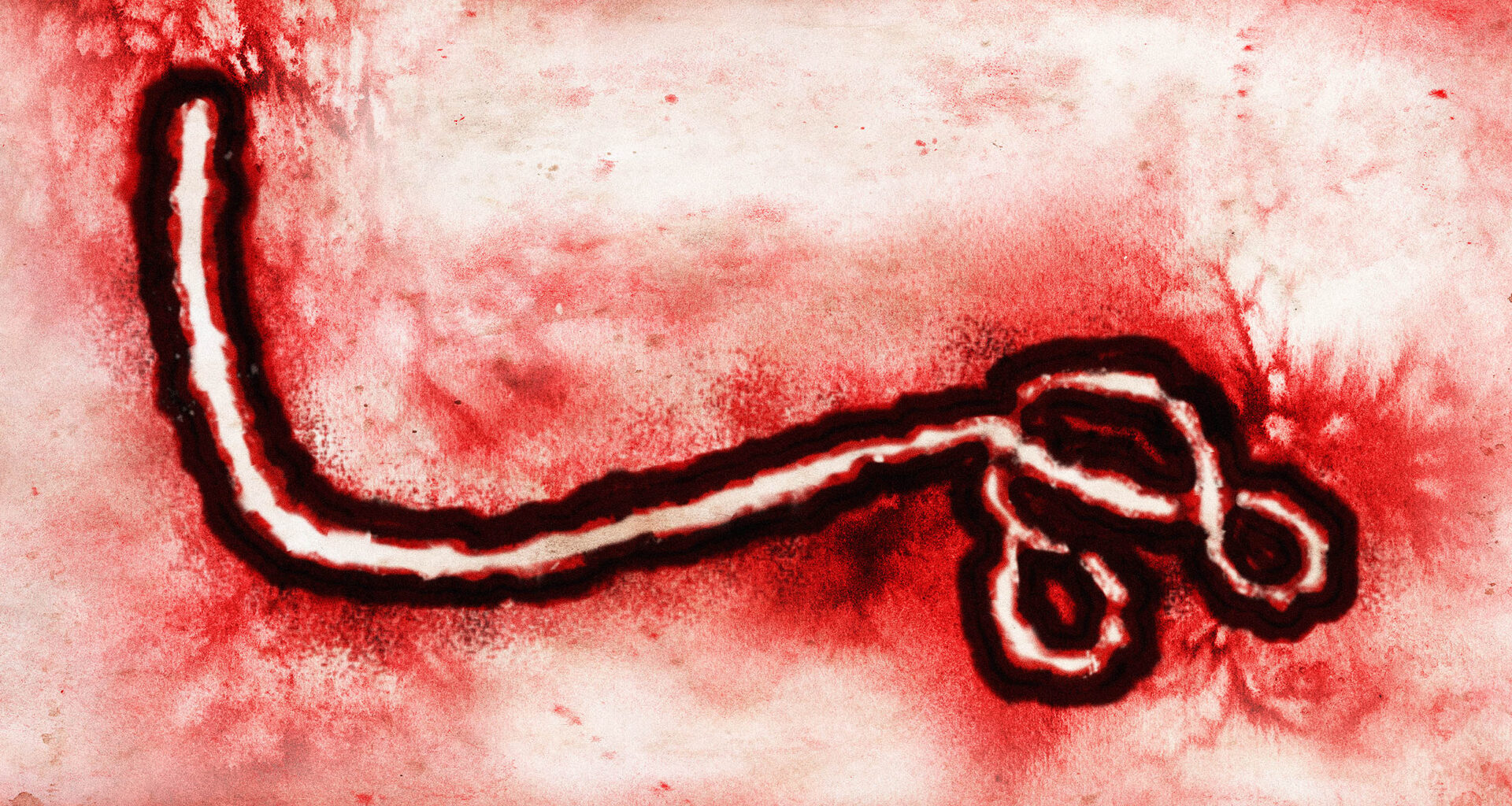
Like Ebola, Marburg comes from a family of filovirus, viruses that form threadlike particles and cause severe bleeding diseases in humans.
These viruses attack multiple organs at once, damaging blood vessels and immune defenses, so patients can deteriorate very quickly after symptoms begin. Transmission relies on direct contact with blood or body fluids, not the air.
Scientists suspect Egyptian fruit bats, Rousettus aegyptiacus, are a reservoir host, animals that carry Marburg without illness.
In that research, infected bats showed only mild, temporary organ changes while still shedding virus, which supports their role as long-term carriers.
Across much of sub-Saharan Africa, these bats roost in caves and mines, bringing people into close contact during tourism, mining, and farming.
In Ethiopia, investigators have found fruit bats near Jinka, and CDC notes that the virus-carrying bat species lives there.
What Marburg does to the body
After infection, people usually develop symptoms between two and twenty-one days later, starting with sudden fever, headache, and intense fatigue.
Gastrointestinal problems such as vomiting, stomach pain, and heavy diarrhea often follow, leaving patients dangerously dehydrated unless fluids are given quickly.
Within a week, some patients begin to bleed from the nose, gums, or gut as organs fail under the strain of infection.
In the worst cases, death often comes about eight to nine days after symptoms start, driven by shock and massive blood loss.
Early care changes the odds
Across outbreaks, the case fatality ratio has ranged from about one quarter to nine tenths. Those odds improve when patients reach care quickly, receive fluids, get oxygen support if needed, and are treated for secondary infections.
Clinicians try to stabilize blood pressure, correct salt imbalances, and monitor organ function, buying time for the immune system to clear the virus.
Despite decades of work, there are no licensed vaccines or specific antiviral drugs for Marburg, so supportive care remains the only proven treatment.
Past outbreaks, future risks
Globally, Marburg has caused nearly six hundred known human cases since it was first identified in 1967 in European laboratory workers.
The deadliest outbreak so far struck Angola in 2005, killing more than three hundred people and overwhelming hospitals.
More recently, countries including Equatorial Guinea, Tanzania, and Rwanda have faced smaller outbreaks, showing that Marburg can appear in new areas without warning.
These patterns worry planners because once the virus seeds itself in a country, it can return if the bat reservoir remains stable.
Marburg virus next steps
Investigators in Ethiopia are sharing samples with reference laboratories so genetic sequencing can confirm the virus strain and watch for any changes.
Researchers hope outbreaks will help test candidate vaccines and experimental treatments, but trials must be designed to protect patients and communities first.
Meanwhile, investments in surveillance, training, and laboratory capacity in East Africa could mean Marburg detection happens earlier and fewer people are infected.
Keeping focus on safe care, information, and community trust will determine whether this first Ethiopian outbreak stays contained or grows into something larger.
—–
Like what you read? Subscribe to our newsletter for engaging articles, exclusive content, and the latest updates.
Check us out on EarthSnap, a free app brought to you by Eric Ralls and Earth.com.
—–