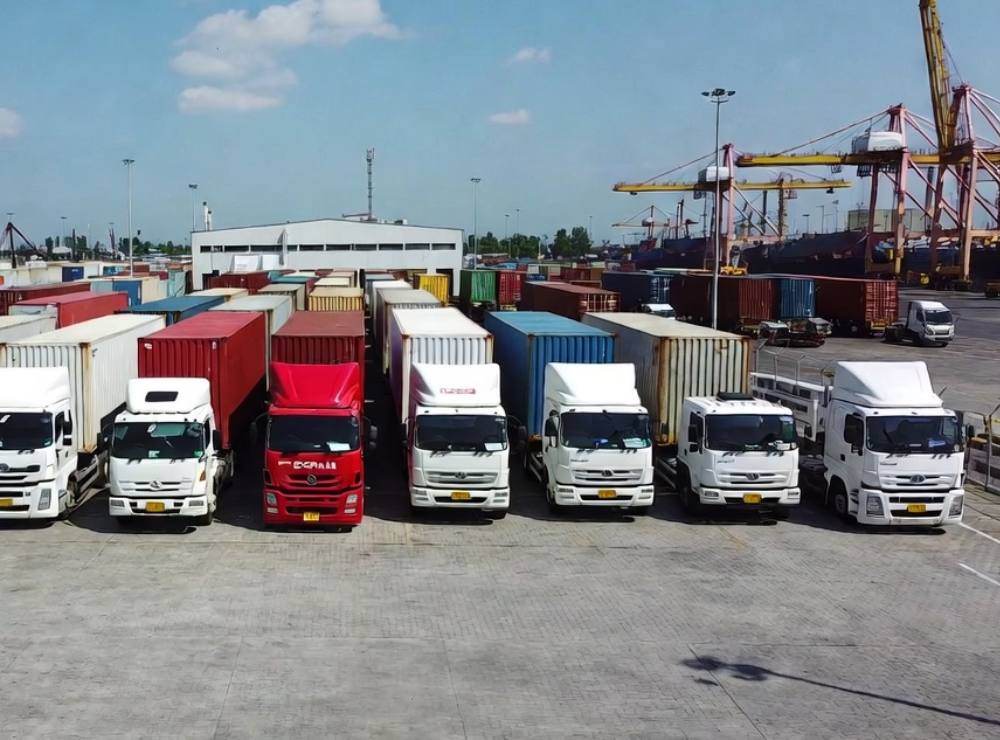
Infrastructure deficits, from poor road corridors to underdeveloped ports and cross-border logistics networks, also blunt the full force of intra-regional trade.
Efforts by institutions such as the African Development Bank (AfDB), AfCFTA Secretariat and Africa50 aim to bridge these gaps through multimodal transport corridors, hubs and digital platforms, but progress remains uneven across regions.
Another significant challenge is the complex currency landscape across Africa, with roughly 42 national currencies, which has traditionally forced traders to settle transactions in hard currencies like the U.S. dollar or euro, raising costs and complicating intra-continental payments.
Initiatives such as the Pan-African Payments and Settlement System (PAPSS) are designed to allow trade in local currencies and reduce transaction costs, but adoption and interoperability are still evolving.
Despite lingering obstacles, there are promising signs of AfCFTA translation into real trade outcomes. For example, under the AfCFTA Guided Trade Initiative, Ethiopia and Kenya began formal cross-border trade transactions in agricultural and manufactured goods, such as meat, coffee and edible oils, marking one of the first instances of operationalised AfCFTA trade beyond pilot frameworks.
Similarly, policy reforms and digital simplification efforts in countries like Nigeria, including advanced border automation and reduced cargo clearance times, have helped boost intra-African exports, surpassing some previous continental projections.
Policy analysts and business leaders generally agree that Africa’s true integration, reflected in a virtual seamless market where goods, services and people move unimpeded, remains a work in progress.
Reported obstacles include slow ratification of key AfCFTA protocols, lingering non-tariff barriers, gaps in customs data harmonisation, and uneven digital adoption across states.
At the 2025 Africa Integration Report launch, AU officials stressed the gap between Africa’s integration ambition and on-ground realities, noting that realising AfCFTA’s full promise would require speeding up protocol ratification, boosting value-chain cooperation, and significantly scaling up infrastructure and digital connectivity.
In sum, while intra-African trade has reached unprecedented scales, strikingly around Sh288 trillion, and there is palpable momentum building behind economic integration, the AfCFTA’s full implementation remains slower than envisioned, pointing to a future where policy execution, infrastructure investment and institutional coordination will be key to unlocking Africa’s complete economic potential.
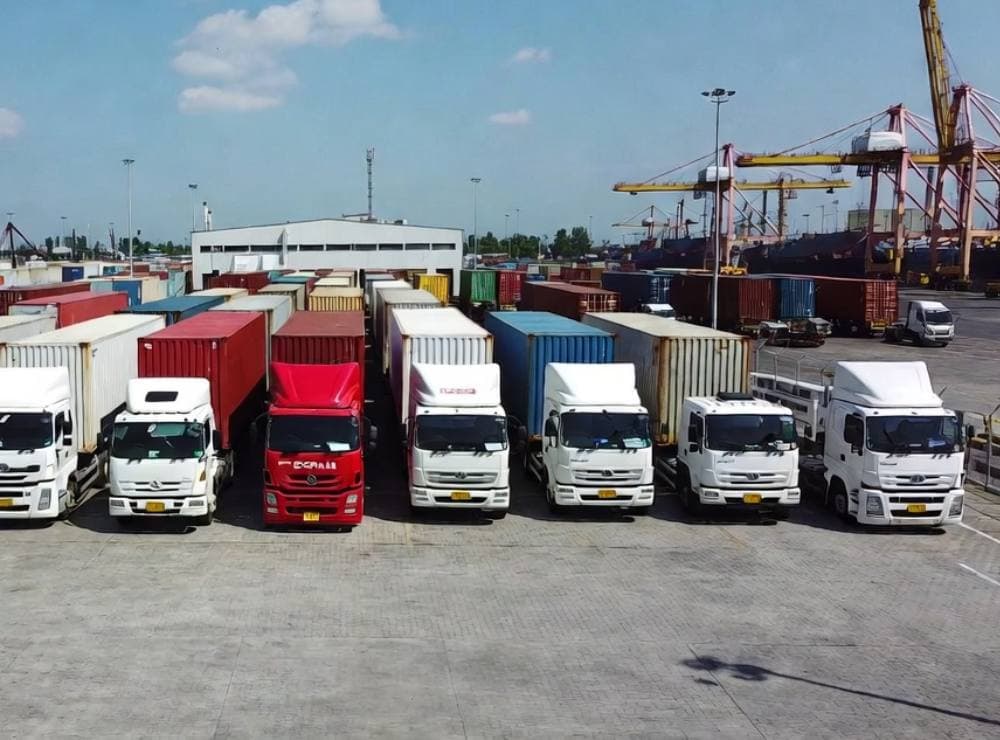 Experts say deeper integration and faster protocol adoption are needed to unlock the AfCFTA agreement’s full potential | Dawan Africa