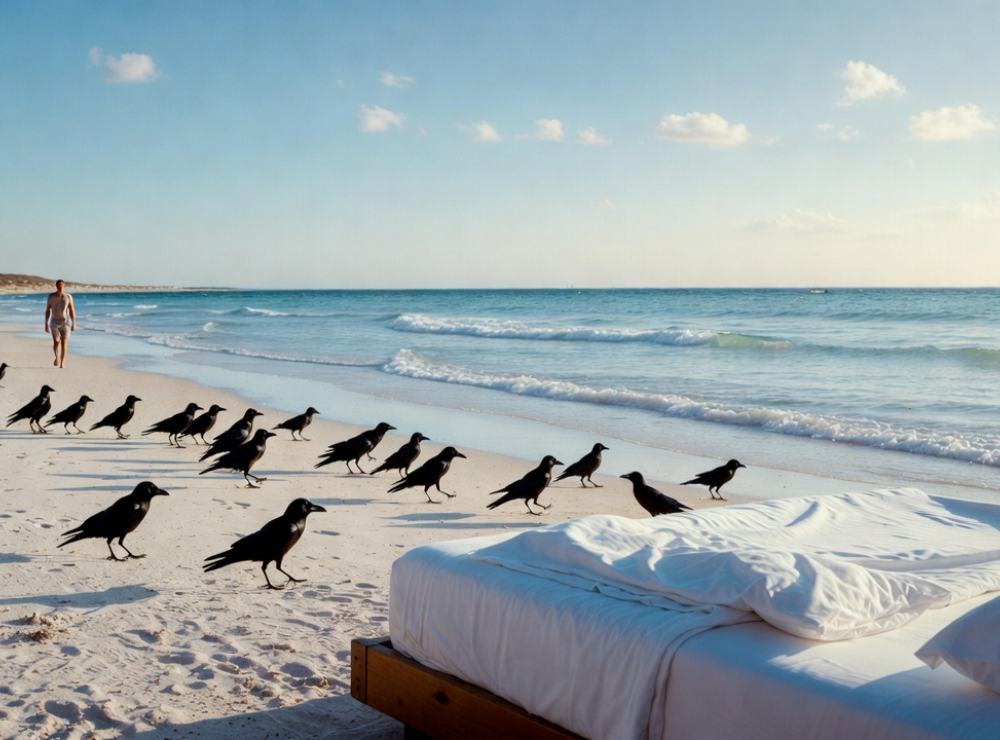
Kenya, 7 January 2026 – Hoteliers along Kenya’s Indian Ocean coastline have welcomed a government–led initiative to control and eradicate invasive bird species, saying the campaign will protect local ecosystems, reduce damage to infrastructure and enhance the tourism experience in a region heavily dependent on visitors and natural beauty.
The drive focuses on curbing populations of birds such as spotted doves, laughing doves and francolins, species that conservationists allege are non-native, breed rapidly and outcompete indigenous wildlife for food and habitat.
These invasive birds have been blamed for ecosystem imbalances, crop damage, noise disturbances and increased droppings that can corrode buildings and tourist facilities.
“We applaud this campaign. For years guests have complained about bird droppings on outdoor dining areas, walkways and landscaping,” said Fatuma Mwangi, general manager of a prominent hotel in Diani Beach. “It affects our image, hygiene and the overall tourist experience.”
Mwangi added that clearing invasive birds will dovetail with broader coastal clean-ups and beautification efforts underway across beach towns.
The Environmental and Tourism Angle
Kenya’s coastal region, from Mombasa and Kilifi to Lamu and Malindi, is a major tourism magnet, attracting hundreds of thousands of visitors each year to its sandy beaches, coral reefs and Swahili cultural heritage.
The hotel and hospitality sector contributes significantly to local employment and foreign exchange earnings.
However, hoteliers say that the proliferation of certain bird species has created multiple challenges:
Infrastructure damage: Acidic droppings stain façades, erode outdoor furnishings and block drainage systems.
Noise and nuisance: Large flocks congregate near dining spaces, pools and gardens, scaring guests and creating noise pollution.
Ecosystem disruption: Conservationists claim invasive birds disturb nesting grounds of native species such as indigenous seabirds and turtles, further stressing already-vulnerable ecosystems.
The Kenya Wildlife Service (KWS) and partners, including county governments and community groups, have joined hands with hospitality players to roll out a targeted control strategy that includes humane capture, relocation (where feasible), habitat modification and community education on reducing attractants such as unprotected food waste.
Officials stress that eradication efforts are scientific, measured and environmentally sensitive, ensuring that legally protected and endemic species are not harmed.
Policy Backing and Scientific Support
According to KWS regional director Michael Nyaga, the campaign was designed after surveys showed that invasive bird populations were expanding into urban and natural areas at an accelerated rate, feeding on agricultural crops and displacing local fauna.
“We are applying globally recognised best practices in bird management and engaging experts on humane control methods,” Nyaga said. He added that coastal counties had drafted regulations to support zero tolerance for harmful bird attractants, particularly open waste food, unsecured bins and unmanaged gardens that encourage large roosting flocks.