Home » Ethiopia News » Get Ready for Ethiopia: The Ultimate Destination with New Attractions and Enhanced Travel Experience
Published on
January 7, 2026
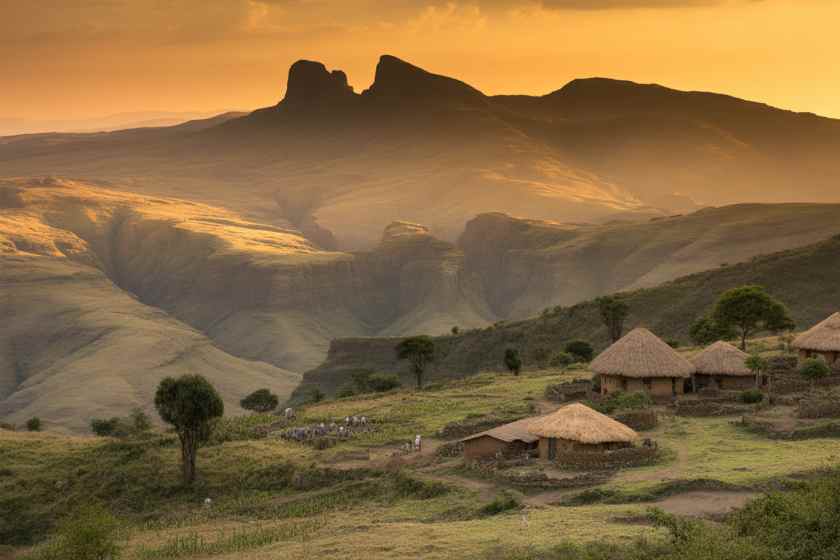
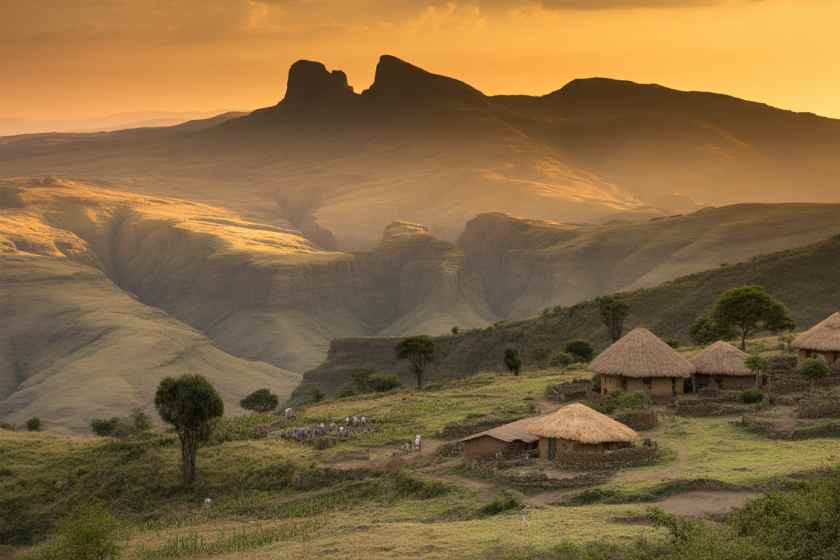
Ethiopia, located in the heart of the Horn of Africa, is undergoing a tourism renaissance that is reshaping the country’s place on the global travel map. With significant investments in infrastructure, government initiatives, and private-sector involvement, Ethiopia is emerging as a top destination for travelers seeking both rich cultural experiences and breathtaking landscapes.
The government’s focus on infrastructure development, including the construction of new roads, the expansion of airports, and improvements to visitor services, is opening up Ethiopia’s historic heritage sites and natural wonders to a broader range of international and local tourists. At the same time, this transformation is driving economic growth, creating jobs, and empowering local communities—making tourism an important engine of development.
Unlocking Ethiopia’s Rich Heritage and Breathtaking Landscapes
Known for its ancient history, Ethiopia is home to several UNESCO World Heritage sites, including the Rock-Hewn Churches of Lalibela, Aksum, and Harar Jugol—places that draw history lovers and cultural enthusiasts from across the globe. These sites, with their connection to Ethiopia’s ancient civilizations, are no longer isolated or difficult to reach. Through strategic infrastructure investments, these sites are now more accessible, providing a seamless experience for travelers to connect with Ethiopia’s rich past.
For example, Lalibela, famous for its monolithic rock-cut churches, is now easier to reach thanks to new and improved roads that cut down travel time from Addis Ababa, Ethiopia’s capital. Visitors can now explore this unique and sacred site without the logistical challenges that previously deterred many. Similarly, Aksum, known as the former capital of the Kingdom of Aksum and home to ancient obelisks and ruins, has seen enhanced facilities for tourists, allowing visitors to dive deeper into its historical significance.
Alongside these iconic landmarks, Ethiopia’s natural beauty is equally stunning. The Simien Mountains National Park, Rift Valley lakes, and Omo Valley are now more accessible than ever. These picturesque regions not only offer stunning hiking and wildlife experiences, but they are also important cultural and natural hotspots for tourists seeking a combination of adventure and authentic local experiences.
The Omo Valley, home to indigenous tribes like the Mursi, Hamar, and Karo, offers travelers a chance to experience traditional cultures in their natural setting. With improved roads and accommodations, tourists can safely visit and interact with these tribes, gaining valuable insight into Ethiopia’s diverse cultures.
New Destinations and Growing Tourism Opportunities
Ethiopia’s tourism sector is also seeing the development of new destinations that were once off the radar. With public-private partnerships and the involvement of international investors, several previously underdeveloped regions are now primed for tourism. Bale Mountains National Park, known for its diverse wildlife and scenic landscapes, is being developed into a key eco-tourism destination, with new lodges, campsites, and trails for visitors to enjoy.
Similarly, Gheralta, located in the Tigray region, is gaining attention for its rugged cliffs and ancient monasteries perched atop remote peaks. The development of infrastructure, including access roads and tourist facilities, is opening up this extraordinary landscape to those seeking adventure and history.
In addition, the Red Sea coast and Dahlak Archipelago are becoming increasingly popular for eco-tourism, with opportunities for diving, snorkeling, and exploring marine life. The country’s relatively untapped beach destinations are gaining recognition as alternatives to more crowded coastal regions in Africa.
The Economic Impact: Driving Growth and Community Empowerment
The boost in tourism in Ethiopia is already having a positive impact on the country’s economy. The tourism sector is contributing to job creation, with local guides, hospitality workers, and service providers benefiting from the influx of tourists. Moreover, Ethiopia’s expanding tourism infrastructure is encouraging the growth of small businesses in souvenir sales, local cuisine, and cultural events, providing a boost to the economy at the grassroots level.
Tourism is also empowering local communities, especially in rural areas, where visitors are welcomed into villages, and local artisans can showcase their work. Ethiopia’s commitment to sustainable tourism ensures that the economic benefits of tourism are shared equitably and that local cultures and environments are protected for future generations.
Looking to the Future: Expanding Ethiopia’s Global Presence
The recent investments in Ethiopia’s tourism sector signal a bright future for the country as a global travel destination. With improved infrastructure, enhanced visitor services, and the unveiling of new attractions, Ethiopia is set to become one of Africa’s top tourism hubs in the coming years. The Ethiopian government has placed tourism as a key part of its development agenda, focusing on sustainability, community empowerment, and cultural preservation.
As Ethiopia continues to develop its tourism infrastructure and promote its heritage and natural wonders, it is expected to attract more visitors from around the world. In the coming years, travelers can expect even more destinations to be accessible, more accommodations to be available, and a growing emphasis on eco-friendly and culturally immersive tourism experiences.
Conclusion: Ethiopia Awaits the World
With its rich history, stunning landscapes, and vibrant cultures, Ethiopia is a destination that has much to offer. The ongoing investments in infrastructure, the expansion of new destinations, and the focus on sustainable tourism ensure that Ethiopia’s tourism sector will continue to grow and evolve. For travelers looking to experience the beauty of Africa in a way that combines adventure, culture, and comfort, Ethiopia stands ready to deliver a one-of-a-kind experience.
As 2026 approaches, Ethiopia will continue to be a must-visit destination for those seeking to explore a country that blends ancient history with modern development, offering travelers a chance to connect with both the past and future of Africa’s tourism industry.
