Published on
January 7, 2026
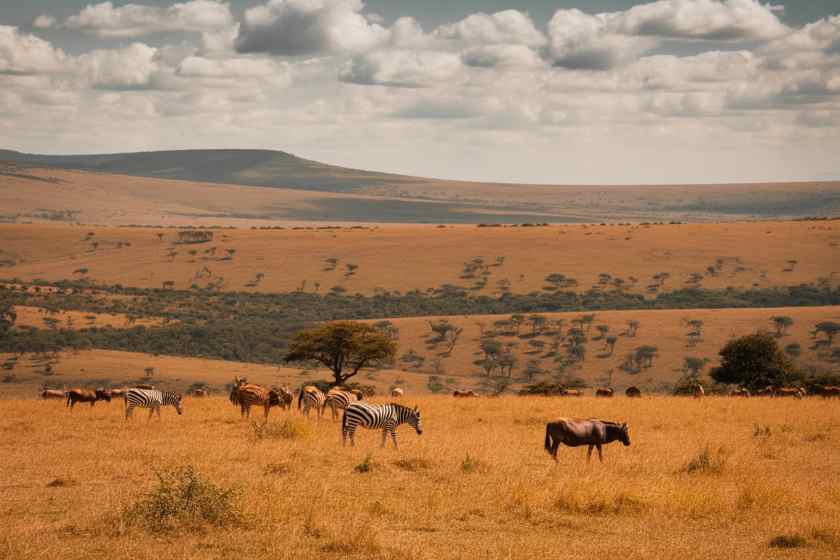
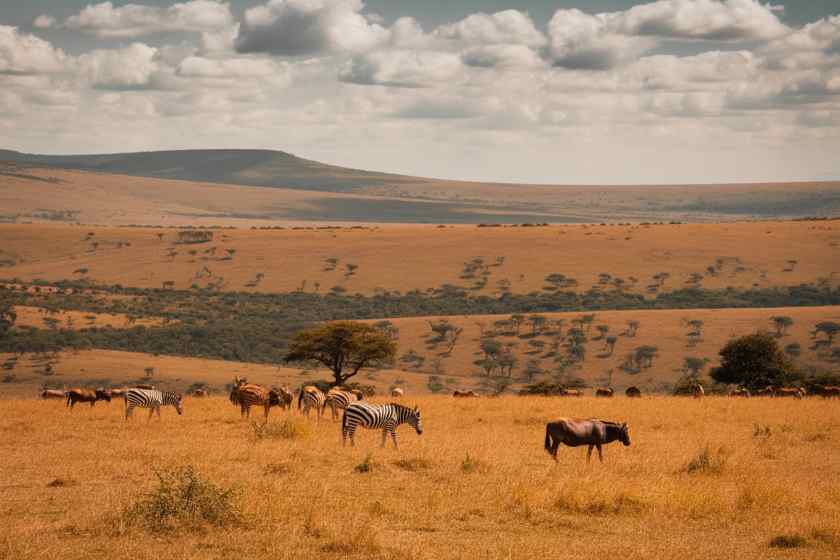
Kenya’s national parks and wildlife reserves saw an impressive surge in visitors during the December 2025 festive season, with over 300,000 guests exploring the country’s celebrated natural landscapes. According to the Kenya Wildlife Service (KWS), this strong turnout underscores Kenya’s enduring status as a premier wildlife destination, attracting both domestic and international travelers seeking to experience the unique beauty of Africa’s wildlife. The increase in visitor numbers during the festive season highlights a growing trend in the tourism sector, with more travelers turning to Kenya’s iconic wildlife reserves for memorable experiences.
The Kenya Wildlife Service reported that approximately 231,000 visitors were Kenyan citizens and residents, showing a significant rise in domestic tourism and a growing appreciation for conservation efforts among locals. This shift toward local travel reflects a positive trend for the country’s tourism sector, as it becomes less reliant on international arrivals and more resilient to global travel disruptions. International tourists, however, still made up a significant portion of the total visits, with 82,500 non-residents traveling from across the globe to witness Kenya’s renowned wildlife and pristine environments.
The Growing Role of Domestic Tourism in Kenya
The growth in domestic tourism is particularly notable, with a clear rise in interest from Kenyan residents who are now more likely to visit national parks and wildlife reserves. This trend signals a growing culture of local travel, where Kenyans are embracing their own natural heritage and participating in the preservation of wildlife. In addition to supporting the country’s tourism sector, this shift also plays a crucial role in community-based conservation efforts. The increase in domestic visitors helps ensure a steady revenue stream for the parks and creates economic benefits for local communities living near the reserves.
The Kenya Wildlife Service has emphasized the importance of this domestic interest, calling local tourists the “true cornerstone” of the nation’s wildlife tourism. By fostering greater engagement with local heritage and conservation, Kenya is building a more sustainable and resilient tourism industry that can thrive throughout the year. This trend is expected to continue, particularly as Kenyans increasingly seek opportunities to connect with nature and support their country’s conservation initiatives.
International Tourism and Kenya’s Iconic Wildlife
Kenya’s international appeal as a wildlife destination remains strong, with tourists from around the world flocking to the country’s national parks and reserves to witness some of the world’s most famous animals. The Masai Mara, Amboseli, and Tsavo National Park are just a few of the renowned parks where visitors can see the famous Big Five—lions, elephants, buffalos, leopards, and rhinos. These parks offer a wide range of experiences, from safaris and game drives to more immersive experiences such as walking safaris and hot air balloon rides over the savannahs.
Kenya’s unique wildlife and vibrant culture make it one of the top travel destinations in Africa. Tourists from Europe, North America, and Asia are particularly drawn to the country’s combination of luxury accommodations and eco-tourism experiences. While the pandemic temporarily disrupted international travel, the recovery of the sector is evident in the steady return of international visitors, with the number of non-resident arrivals expected to continue rising in the coming years.
Conservation Efforts and Community-Based Tourism
The tourism boom in Kenya not only brings economic benefits but also plays a pivotal role in the country’s conservation efforts. Revenue generated from park entry fees and tourism-related activities helps fund wildlife protection programs, including anti-poaching initiatives and habitat restoration projects. The involvement of local communities in tourism activities also encourages sustainable practices that protect the environment and wildlife for future generations.
Community-based eco-tourism is becoming an integral part of Kenya’s tourism offering. Many of the country’s parks and reserves work directly with local communities, ensuring that tourism revenue is reinvested into development projects, education, and infrastructure. This creates a win-win situation where both the environment and local economies thrive from the influx of tourists.
What to Expect from Kenya’s National Parks in 2026
With tourism numbers continuing to rise, Kenya’s national parks and reserves are gearing up for an exciting future. The government and tourism authorities are focusing on improving park infrastructure, enhancing visitor experiences, and expanding conservation efforts. New initiatives include the introduction of sustainable accommodation options and green tourism programs designed to reduce the environmental footprint of tourism.
Kenya’s tourism sector is also exploring ways to diversify tourism offerings, such as promoting cultural tourism, adventure tourism, and beach holidays along the coast. This holistic approach will appeal to a wider range of travelers, ensuring that Kenya remains a top choice for tourists seeking a variety of experiences.
Planning Your Visit to Kenya’s National Parks
For those planning to visit Kenya, the upcoming months offer plenty of opportunities to explore the country’s wildlife and natural beauty. Kenya Wildlife Service provides various tourist packages and guided safaris, making it easier than ever to plan a visit to one of the country’s premier national parks. Whether you’re looking to embark on an adventurous safari or enjoy a relaxing wildlife experience, Kenya has something for every type of traveler.
With the continued growth of both domestic and international tourism, Kenya’s national parks are set to remain an essential part of the country’s tourism and conservation landscape. Whether you’re a first-time visitor or a returning traveler, Kenya offers an unforgettable journey into the heart of Africa’s wildlife and natural wonders.
