Published on
January 8, 2026
Zimbabwe has announced a significant update to its Value Added Tax (VAT) policy that will impact key components of the tourism sector from January 1, 2026. Under the country’s 2026 National Budget, a 15.5% VAT will now apply to a wide range of tourism services that were previously zero-rated, including safari packages, guided tours, accommodation, transfers, and car hire. This change is set to influence tourism pricing for both local and international travelers, and African operators will need to adjust their pricing models accordingly.
While the increase in VAT from 15% to 15.5% may seem modest, it represents a recalibration of Zimbabwe’s tax framework for tourism services, which could have implications for pricing transparency and competitiveness in the region’s safari market. Operators working with Zimbabwe’s inbound tourism market are advised to make the necessary adjustments to their quotes and contracts to reflect these changes and provide clients with clear, transparent pricing.
Key Tourism Services Affected by VAT Change
The introduction of 15.5% VAT affects a broad spectrum of tourism-related services in Zimbabwe. Some of the most significant sectors impacted include:
Safari Packages: Many travelers to Zimbabwe visit for its world-renowned safari experiences, especially in iconic locations like Hwange National Park and Mana Pools. Safari packages, which often include game drives, guides, and lodge stays, will now carry VAT charges, increasing the cost for tourists.Guided Tours: Whether it’s a cultural tour in Victoria Falls or a wildlife excursion, guided tours will now be subject to the new VAT rate, impacting the overall cost of these popular activities.Accommodation: The accommodation sector, especially in high-demand areas like Victoria Falls, Hwange, and Lake Kariba, will see VAT applied to lodge stays, boutique hotels, and luxury resorts, potentially raising room rates.Transfers and Car Hire: Many travelers in Zimbabwe rely on airport transfers and car hire services to navigate between destinations. With VAT applied to these services, travelers may experience higher costs for ground transportation.Destination Management Services: Companies providing bespoke itineraries and logistical support for tourists will also be impacted by this change, as their packages will now include VAT charges.Impact on Tourism Operators and Pricing
For tourism operators, the shift in VAT policy will require a careful review of pricing structures. Operators need to update quote templates, contracts, and marketing materials to clearly communicate whether VAT is included or excluded from their prices. This will help avoid misunderstandings when clients review their final invoices.
The VAT adjustment is especially relevant for high-value services such as luxury safaris, multi-night lodge stays, and bespoke tour packages, where the added VAT may be more noticeable. As a result, tourism operators must ensure that their clients are fully informed about these changes, particularly if they have already booked services or made deposits for future travel.
Operators should also consider the potential for price adjustments or the introduction of value-added offerings that can offset the increased costs for guests. Many businesses will need to examine how the VAT increase will affect their competitive edge in a crowded market, as it may influence travelers’ decision-making processes.
Preparing Customers for the VAT Change
As the VAT change takes effect in January 2026, travel professionals are encouraged to inform clients well in advance about how VAT will be applied to their bookings. This will help manage expectations and prevent confusion when clients receive their final invoices.
Travel agents and tour operators should be proactive in addressing key questions, such as whether deposits paid before the change will be subject to the new tax or if VAT will only be applied to the final payment. By providing this clarity, tourism professionals can help clients understand the adjustments without any surprises at check-in or payment.
The Long-Term Impact on Zimbabwe’s Tourism Market
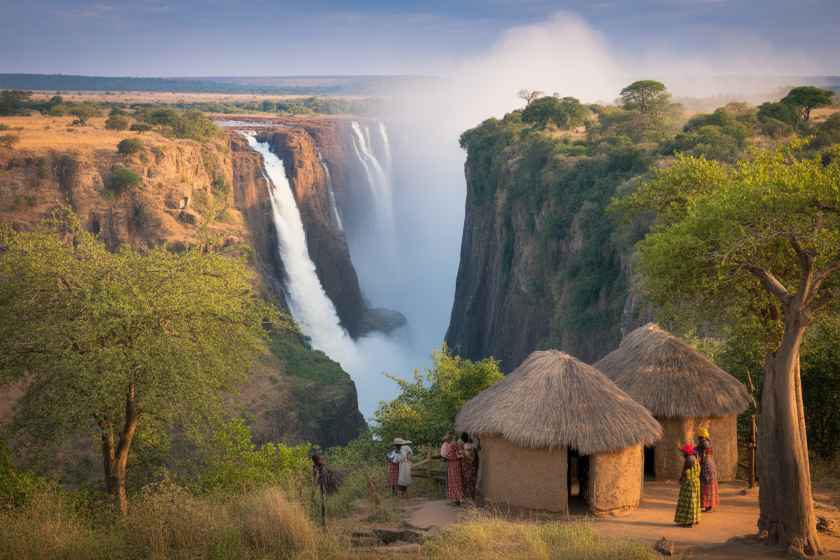
Although the VAT increase is modest, it could have long-term effects on Zimbabwe’s tourism competitiveness, especially within the Southern African region. Zimbabwe has long been a popular destination for safaris, particularly in its National Parks and Victoria Falls, one of the world’s most famous natural landmarks. The country’s natural beauty, wildlife, and cultural offerings continue to attract international visitors, particularly from Europe and North America.
With more travelers looking for seamless and value-for-money experiences, Zimbabwe’s tourism industry must ensure that it remains competitive by maintaining high standards of service and offering differentiated experiences. The increased VAT might be seen as an additional cost, but Zimbabwe’s unique appeal lies in its unparalleled safari experiences, pristine landscapes, and the chance to see the Big Five in their natural habitat.
The new VAT policy also opens the door for regional collaboration among African carriers and tourism businesses to offer multi-destination packages that combine the best of Zimbabwe with other regional attractions like Botswana’s Okavango Delta or South Africa’s Kruger National Park.
Conclusion: Zimbabwe Remains a Top Destination for Adventure and Wildlife Tourism
Despite the recent VAT adjustment, Zimbabwe continues to be a top destination for travelers seeking authentic safaris, adventure, and a connection to the natural world. As the country prepares for an influx of tourists in 2026 and beyond, the tourism sector’s adaptation to the new VAT rules will play a crucial role in shaping the future of Zimbabwe’s tourism industry.
The country’s combination of wildlife safaris, UNESCO World Heritage Sites, and rich cultural experiences ensures its place as a leading destination in Southern Africa. For tourists planning a visit, the increased VAT is a small change compared to the incredible experiences that Zimbabwe has to offer—from exploring the Maasai Mara to watching the magnificent Victoria Falls. By adjusting to the new fiscal landscape, Zimbabwe remains an attractive and dynamic destination for travelers from all over the world.
