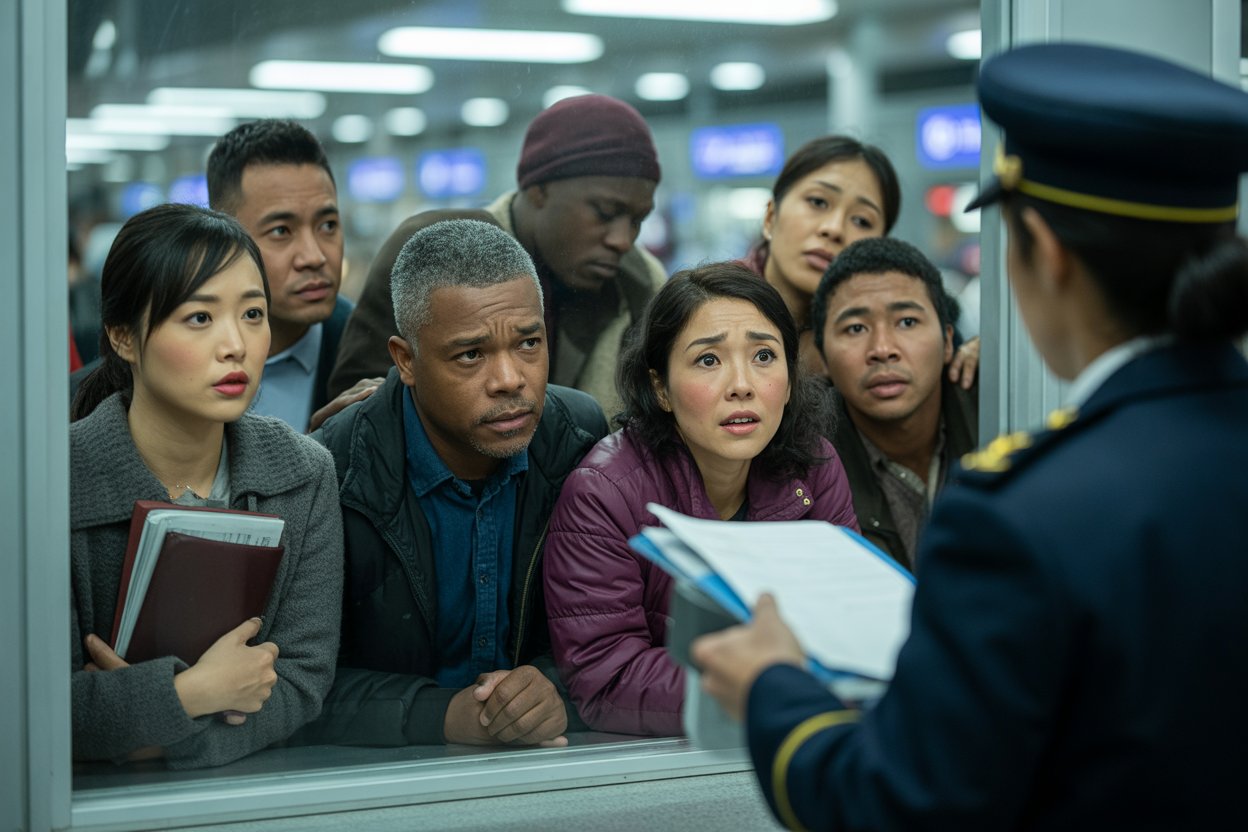
Home » America Travel News » Venezuela Joins Nigeria, Uganda, Zimbabwe, Angola, Senegal, Cuba in U.S. Visa Bond Policy for 2026: Here Is The Most Important Factors You Should Know
Published on
January 9, 2026
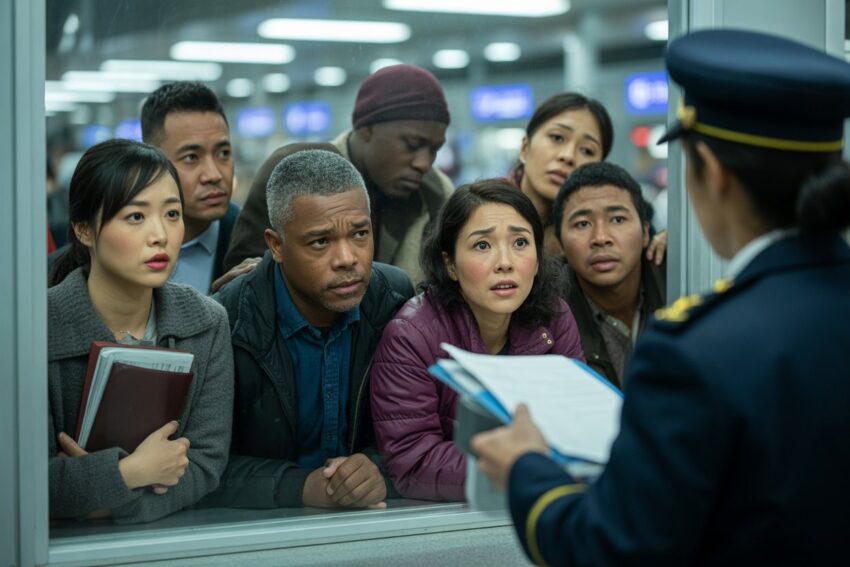
As part of a sweeping new immigration policy, Venezuela has now joined Nigeria, Uganda, Zimbabwe, Angola, Senegal, Cuba, and Bangladesh in the U.S. visa bond program. The U.S. Department of State has expanded the visa bond requirement, affecting B-1 (business) and B-2 (tourism) applicants from 38 countries in 2026. This major policy shift mandates that applicants from these countries pay a refundable bond, ranging from $5,000 to $15,000 before they can receive a U.S. visitor visa.
The new visa bond policy aims to address concerns around visa overstays and non-compliance with U.S. immigration rules, especially from nations where there are higher rates of travelers staying beyond their permitted time. For these high-risk countries, the bond serves as a financial guarantee, ensuring that travelers will depart the U.S. after their visit. If the travelers comply with visa terms, the bond is refunded.
Here’s a closer look at the countries now subject to the visa bond, including Venezuela‘s addition to the list, and the potential impact on tourism, business travel, and family reunification.
1. What is the U.S. Visa Bond Policy for 2026?Visa Bond Requirement: From January 21, 2026, applicants from 38 countries with a history of visa overstays are required to pay a refundable visa bond when applying for a B-1/B-2 visa.Refundable Bonds: The bond amounts vary by country and range from $5,000 to $15,000. The bond is refundable only if the traveler adheres to the terms of their visa, including timely departure from the U.S.2. Why Are These Countries Affected?Visa Overstay Rates: Countries with higher visa overstay rates and weaker passport control systems are more likely to be included in the program. Venezuela, alongside Nigeria, Uganda, and others, has been deemed a higher risk by the U.S. Department of State for these reasons.Financial Security for the U.S.: The bond ensures that travelers from these countries will abide by U.S. immigration laws. The system is designed to minimize overstays and reduce the burden on immigration enforcement.3. The Countries Affected by the U.S. Visa Bond Policy
The countries that have been added to the list for 2026 include:
VenezuelaNigeriaUgandaZimbabweAngolaSenegalCubaBangladesh
This list, while already impacting nations in Africa, Asia, and Latin America, is likely to grow further in the coming years. For travelers from these countries, it means increased costs and requirements for U.S. travel, especially for those hoping to visit for business or tourism.
4. How the Visa Bond Policy Affects TravelersFor Travelers:Financial Burden: Travelers from the affected countries will need to come up with a large sum of money upfront, which could be a challenge for many applicants. The bond may be more than what travelers can afford, especially in lower-income nations.Delayed Visa Approvals: The visa bond requirement will likely slow down the application process for those impacted, as applicants must wait until the bond is paid and processed.Refund Process: If travelers comply with visa terms, they will receive the bond back after they leave the U.S. However, if they overstay or violate visa conditions, the bond will be forfeited.For Business and Tourism Travel:Reduced Tourism: The bond may discourage potential tourists, especially from countries like Venezuela and Bangladesh, where the visa bond is an additional barrier to entry.Impacts on Business Travel: Entrepreneurs and business travelers from countries like Angola and Uganda might face increased costs, potentially affecting trade relations between these countries and the U.S.Family Reunification: Families wishing to reunite with relatives in the U.S. could also face difficulties, as the high bond amounts may prevent them from applying for tourist visas.For Family Travelers:For those hoping to bring parents or grandparents to visit, the visa bond requirement will likely delay or prevent such family reunifications, particularly for those from countries like Senegal and Cuba. While there are other options like the Super Visa for some, the B-2 bond requirement is more likely to affect older family members who want to travel temporarily.5. Broader Impact on U.S. Immigration and TravelGlobal Travel and Business Relations:
The new visa bond policy could have long-term effects on U.S.-Africa, U.S.-South Asia, and U.S.-Latin America relations, especially in the areas of business and tourism. Countries that are subjected to the bond may see reduced travel volumes as a result of the additional financial burden.
Visa Processing Delays:
With 38 countries now involved in this visa bond system, the number of applicants requiring additional review and payment may cause a slowdown in visa processing times. Travelers from affected regions may experience delays as officials confirm payments and verify bond details.
6. What Should Travelers Do Now?Stay Informed: Keep up-to-date with the latest information on the U.S. visa bond policy through the U.S. Department of State and immigration services.Plan for the Bond Payment: Travelers who are required to pay a bond should start saving and plan for the payment before applying for a visa.Explore Alternative Visa Options: Those who face difficulty with the B-1/B-2 bond could explore other options, such as the Super Visa or work visas, depending on eligibility.Consult Immigration Experts: It is crucial for travelers from affected countries to consult with immigration experts or legal professionals to ensure they fully understand the new requirements and how they may be impacted.Conclusion: What Does This Mean for 2026 and Beyond?
The addition of Venezuela to the U.S. visa bond list, alongside Nigeria, Uganda, Zimbabwe, Angola, Senegal, Cuba, and Bangladesh, signals a broader shift in U.S. immigration enforcement. This new policy, effective from January 2026, will increase the costs and complexities for travelers seeking to enter the U.S. from these countries, affecting tourism, business travel, and family reunifications. As a result, the U.S. must carefully balance its immigration control needs with the long-term impacts on global travel and relations.
