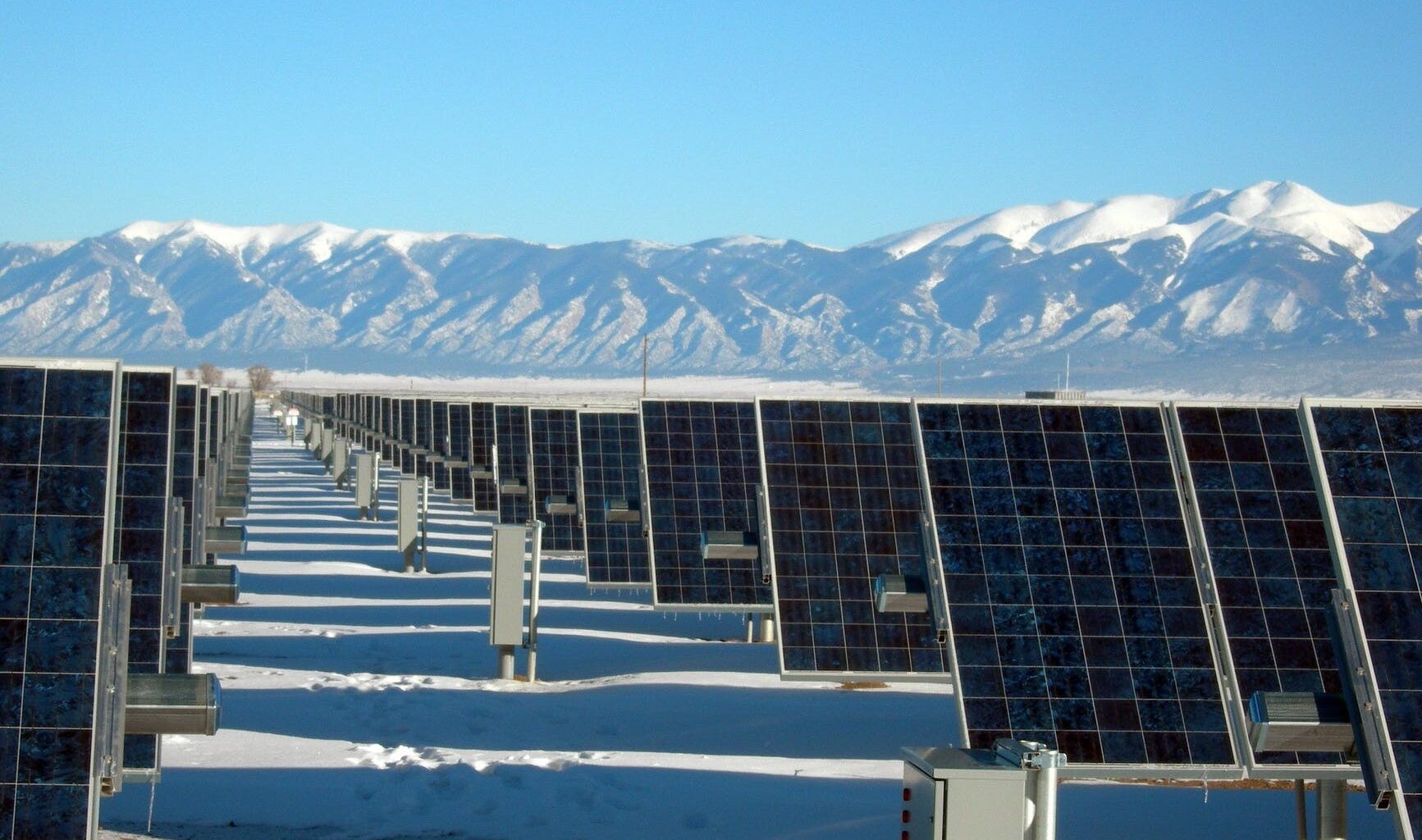
 Representational image. Credit: Canva
As South Africa experiences shifts in weather patterns, homeowners and businesses investing in solar power are being advised to focus on the durability of their systems. The country is seeing an increase in both the frequency and intensity of hailstorms, particularly in provinces such as Gauteng. While some areas are experiencing fewer hail days due to climate change, the storms that do occur are becoming more violent, producing larger and more destructive hailstones capable of damaging standard glass.
Solar panels are naturally vulnerable to these impacts. Even if a panel does not visibly break during a hailstorm, microfractures can occur, reducing power output and shortening the lifespan of the system. Experts suggest that buyers prioritize panels that meet recognized international certifications. One widely accepted benchmark is the IEC 61215 standard. To pass this test, a solar panel must withstand multiple impacts from 25mm ice balls traveling at speeds of 83 km/h without significant power loss or physical damage.
Many leading Tier 1 manufacturers, including Jinko Solar, Canadian Solar, and Trina Solar, design their products to meet these rigorous standards. However, in areas with a higher risk of severe hail, standard panels may not provide sufficient protection. To address this, some manufacturers now offer reinforced solar modules that use dual tempered-glass layers, offering improved impact resistance and increased durability compared to traditional designs.
In addition to selecting the right panels, there are practical measures owners can take to protect their investments. During severe storm warnings, temporary protective covers or hard shells can be deployed if the roof is easily accessible. After a hailstorm, it is essential to inspect panels for cracks, debris, or any signs of damage that could lead to electrical faults or hot spots, which can further reduce efficiency.
Insurance coverage also plays a key role in protecting solar investments. Local insurance providers have reported a rise in claims related to storm damage, and many now require proof that installations comply with specific safety and durability standards. By choosing high-quality, hail-rated modules and verifying compliance, consumers can ensure their renewable energy systems remain functional and financially safeguarded.
With South Africa’s weather becoming increasingly unpredictable, taking these precautions is critical. Proper selection of solar equipment, combined with proactive protective measures and adequate insurance, can turn a long-term energy investment into a resilient asset capable of withstanding the country’s volatile climate. As more homeowners and businesses adopt solar energy, focusing on durability and storm preparedness ensures both the efficiency and longevity of renewable energy systems, safeguarding both power output and financial returns over time.
This approach highlights the importance of balancing clean energy adoption with practical risk management, ensuring solar power remains a reliable and sustainable solution in the face of extreme weather events.
Like this:
Like Loading…
Related
Discover more from SolarQuarter
Subscribe to get the latest posts sent to your email.