Home » Australia Travel News » Peru Joins France, Türkiye, South Africa, Dominican Republic, Cuba And More As Australia Issues Updated Travel Advisory Over Local Unrest And Security Concerns
Published on
January 12, 2026
In light of growing local unrest and security concerns, Australia has updated its travel advisory to include Peru, France, Turkey, South Africa, the Dominican Republic, Cuba, and other nations. The ongoing political unrest, protests, and strikes that have caused disruptions in these areas have prompted this new advisory. While France and Turkey are dealing with widespread strikes and protests that frequently result in violence, Peru’s state of emergency and protests have increased safety risks. Significant crime risks exist in South Africa, and Cuba is experiencing shortages that have an impact on safety and public services. In order to protect its citizens, Australia has updated its travel recommendations due to these factors as well as additional security issues in the impacted areas.
Australia has issued a new travel advisory that impacts several countries globally. The advisory comes in light of increasing concerns about security risks, including public unrest, disruptions, and other local safety issues that may affect travelers. These concerns range from political instability to violent crime, and in some cases, natural disasters. In this article, we take a closer look at the key countries involved in this travel advisory, starting with Peru.
Peru: Rising Security Concerns Amid State of Emergency and Political Unrest
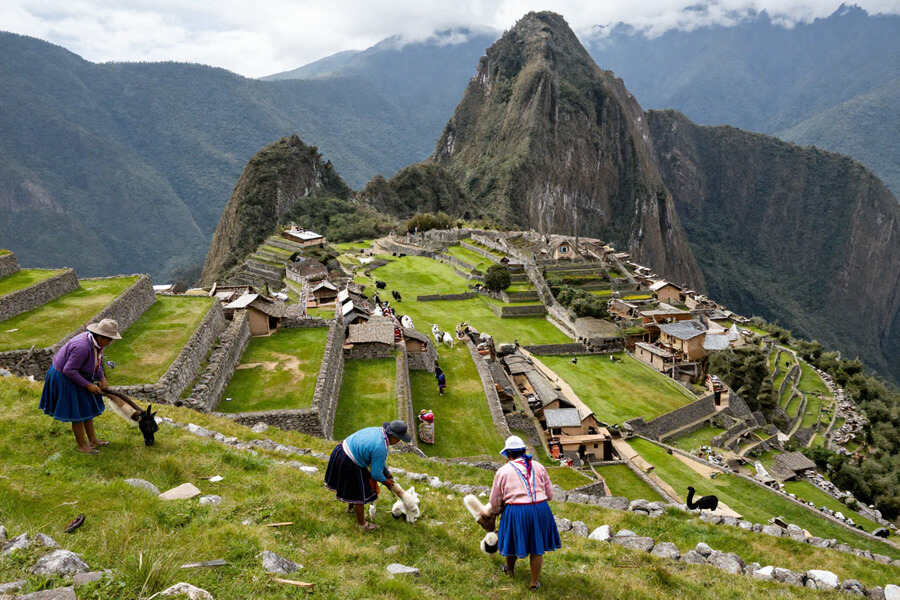
Peru is currently under a state of emergency in Lima and Callao due to political unrest. The government has deployed armed forces to maintain security, with demonstrations and strikes becoming common, particularly in the historic center of Lima. The situation has escalated to the point where protests have turned violent in the past, leading to disruptions in public transport services, including travel to major tourist attractions such as Machu Picchu.
The advisory warns travelers to exercise a high degree of caution while in Peru. Violent crime remains a serious concern in major cities like Lima, Cusco, and Arequipa. Visitors are advised to avoid traveling alone, particularly at night, and to remain vigilant in public areas such as hotels, restaurants, and public transportation. Petty crime, such as theft and phone snatching, has also increased in urban areas. Travelers should avoid using their phones in public, as motorbike riders have been known to snatch mobile phones from unsuspecting pedestrians.
Additionally, the advisory highlights the dangers near Peru’s borders. Travelers are urged to reconsider their need to visit areas within 20 kilometers of the Colombian border due to the high risk of violent crime. Areas bordering Ecuador, including Loreto, Amazonas, and Cajamarca, are also risky due to the presence of landmines. The Valley of the Apurimac, Ene, and Mantaro Rivers (VRAEM) region is particularly dangerous due to terrorism and crime.
France: Increased Security Measures Amid Terrorism Threat
France has raised its national security alert to the highest level due to an ongoing threat of terrorism. With high levels of security in place across the country, including at schools, places of worship, shopping centers, and popular landmarks, travelers are urged to be cautious. The heightened threat of terrorism means that public places such as transport hubs and cultural events are potential targets for attacks.
In addition to terrorism concerns, France also experiences frequent strikes and protests, which often result in public transport disruptions. Demonstrations in major cities, particularly in Paris, can lead to clashes with police, and the use of tear gas during these events has become common. Travelers are advised to avoid large gatherings and areas with significant police activity.
Crime, including violent robberies, pickpocketing, and muggings, continues to be a concern, especially in large cities like Paris. The threat of drink spiking has also increased, with perpetrators using either a drink or a needle to target unsuspecting individuals. Travelers are advised to stay vigilant, avoid leaving drinks unattended, and be cautious when using public transport.
Türkiye: Terrorism Threats and Protests Heighten Security Risks
In Türkiye, there is an increased risk of terrorist attacks, particularly during large gatherings such as New Year celebrations. Crowded public settings are considered potential targets for attacks. Protests have also been frequent in the country over the past year. Although protests are often restricted by local authorities, those that do occur can turn violent. Travelers are advised to monitor local media closely and follow the advice of authorities during these events.
The security situation is particularly concerning in certain areas, such as the provinces of Hakkari and Sirnak, which are near the border with Syria. The Turkish government has issued warnings about the potential dangers in these regions, where acts of terrorism and violence may occur. Travelers are also advised to avoid the 10-kilometer zone along the Syrian border due to the high risk of terrorism and ongoing conflict.
Additionally, Türkiye faces a constant risk of earthquakes. Aftershocks can continue for days or even weeks, posing significant danger to residents and tourists alike. Travelers should familiarize themselves with local emergency procedures and know where shelters are located.
South Africa: High Levels of Violent Crime and Public Unrest
South Africa remains a country where travelers are advised to exercise a high degree of caution due to the high risk of violent crime. The country faces serious issues with crimes such as murder, rape, assault, robbery, and carjackings, particularly in urban areas. The crime rate tends to spike during power cuts (load shedding), but violent crime can occur at any time and in any place.
Protests and large gatherings can occur unexpectedly, and travelers should be particularly vigilant around these events. Demonstrations, which often turn violent, can disrupt transportation networks and public services. The advisory recommends avoiding these areas and using major roads where it’s safe. Travelers are also encouraged to verify that alternate routes suggested by GPS systems are safe before traveling.
Express kidnappings remain a serious issue in South Africa, and tourists are advised to be alert to their surroundings at all times. Petty crime, such as drink spiking and methanol poisoning, is also prevalent, and travelers should be cautious when consuming alcoholic drinks.
Dominican Republic: Violent Crime and Safety Concerns for Tourists
In the Dominican Republic, violent crime is a significant concern, especially in tourist areas. Travelers are urged to exercise a high degree of caution due to the risk of robbery and assault. Petty crime, such as theft, is common on public transport and in crowded areas. The advisory advises against using public transport and encourages travelers to use established tour operators and official taxis.
Women, in particular, are at risk of sexual assault, and it is recommended that female travelers avoid traveling alone. Credit card and ATM fraud are also prevalent, with tourists being targeted by scammers using fake currency or stealing from ATMs. To mitigate these risks, travelers are advised to only use ATMs in well-lit, secure areas like shopping centers or hotels.
Cuba: Shortages and Safety Concerns Amid Natural Disaster Risks
Cuba’s ongoing shortages of fuel, food, and drinking water are significantly impacting transportation and government services. This creates additional challenges for travelers who may find that their planned activities or transport routes are disrupted. In addition to these shortages, travelers are reminded of the risk of violent crime in Cuba, including robbery and assault.
Petty crime, such as theft, is also common on public transport and in tourist areas, and visitors are urged to keep their valuables secure and avoid putting them in checked luggage. Cuba is located in an active earthquake zone, and tsunamis are a potential risk. The hurricane season, which lasts from June to November, can also cause flooding and disrupt services. Travelers are advised to familiarize themselves with local evacuation plans and know the nearest shelter in case of natural disasters.
Costa Rica: Rising Violent Crime and Drink Spiking Risks
Costa Rica has seen an increase in violent crime, including carjackings and ‘express kidnappings’, which are becoming more common. Criminals often target tourists in areas such as resorts, transport hubs, and public transport. Travelers are advised to be aware of their surroundings and take precautions when traveling, particularly when arriving or leaving the airport.
Petty crime, including theft and fraud, is also an issue in Costa Rica. Visitors should avoid carrying valuables and use reputable tour operators and registered taxis. Drink spiking and methanol poisoning are risks to tourists, particularly in bars and clubs, and travelers are advised to never leave drinks unattended.
Australia’s new travel advisory highlights the increasing security concerns in several global destinations. While these countries offer rich cultural experiences and stunning landscapes, travelers must remain vigilant and informed about potential risks. Political instability, violent crime, and natural disasters are prevalent in some regions, and it’s essential to follow the advice of local authorities to ensure a safe journey.
Due to growing local unrest and security concerns, Australia has updated its travel advisory for a number of countries, including Peru, France, Turkey, South Africa, the Dominican Republic, Cuba, and more. The advisory to ensure traveler safety was prompted by the disruptions caused by protests, strikes, and safety risks in these countries.
For those planning to visit any of these countries, it is vital to stay updated on local conditions, avoid risky areas, and exercise caution at all times. By staying informed and prepared, travelers can mitigate risks and enjoy a safe and rewarding travel experience.
