When a Ghanaian journalist was assaulted by officials of the Ghana National Fire Service while covering a fire incident, the response from the state was swift and decisive.
Development Diaries reports that the officers involved were identified and interdicted, as public condemnation followed almost immediately, with Ghana widely praised for acting in line with democratic norms and respect for press freedom.
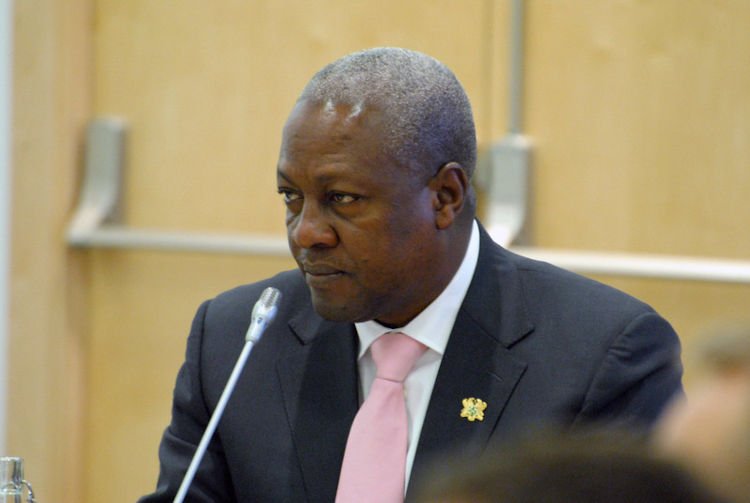
President John Mahama, himself a former practicing journalist, described the assault as ‘unacceptable and against the principles of media freedom and professionalism’.
He stressed that attacks on journalists would not be tolerated under any circumstances and ordered an urgent reorientation of security personnel on respecting media rights. Media advocacy organisations welcomed the response, describing violence against journalists as an affront to press freedom and a direct threat to Ghana’s democratic credentials.
All of this is good. But it is not enough. The real test of press freedom goes beyond how a government reacts when a case becomes visible or politically sensitive. It is whether journalists are protected as a matter of routine, not rescue.
Media safety cannot depend on presidential outrage or the biography of whoever occupies the presidency. It must rest on institutional discipline.
At the heart of this incident is a deeper systemic question about security sector accountability in Ghana. Journalists should not require high-level intervention to be protected from state violence.
Clear protocols should already exist, and consequences should be automatic. Sanctions should go beyond temporary suspension and lead, where appropriate, to prosecution. Anything less leaves protection uneven and selective.
The danger of exceptional responses is that they create a false sense of progress. High-profile cases attract attention and action, while assaults on community reporters, women journalists, and local radio staff often pass without consequence.
These journalists work far from national headlines, frequently in precarious conditions, and with limited institutional backing.
Responsibility for closing this gap lies with security agencies themselves, the Ministry of the Interior, and police and security oversight bodies. Media protection must be embedded into training curricula, operational guidelines, and disciplinary systems across all security services.
Interdiction should not be the end of the process but the beginning of transparent investigation and, where warranted, prosecution. The public should be able to track outcomes, not just announcements.
Civil society organisations have rightly called for stronger deterrents, including transparent investigations and even institutional sanctions against agencies that attack journalists. These proposals speak to a broader truth that democracy is sustained by systems that prevent abuse before it occurs.
Ghana’s response to this incident should therefore not be treated as a success story to move on from but as a baseline to build upon. A democracy does not prove itself by reacting well once. It proves itself by ensuring that abuse does not happen again, regardless of who the victim is, where they work, or how much attention their case attracts.
If Ghana is serious about press freedom and human rights, this moment must be converted into lasting reform. The goal should be that journalists are safe by default, not protected by exception.